Essay
Blue Stains on a Finished Illustration
完成插画上的蓝色污渍
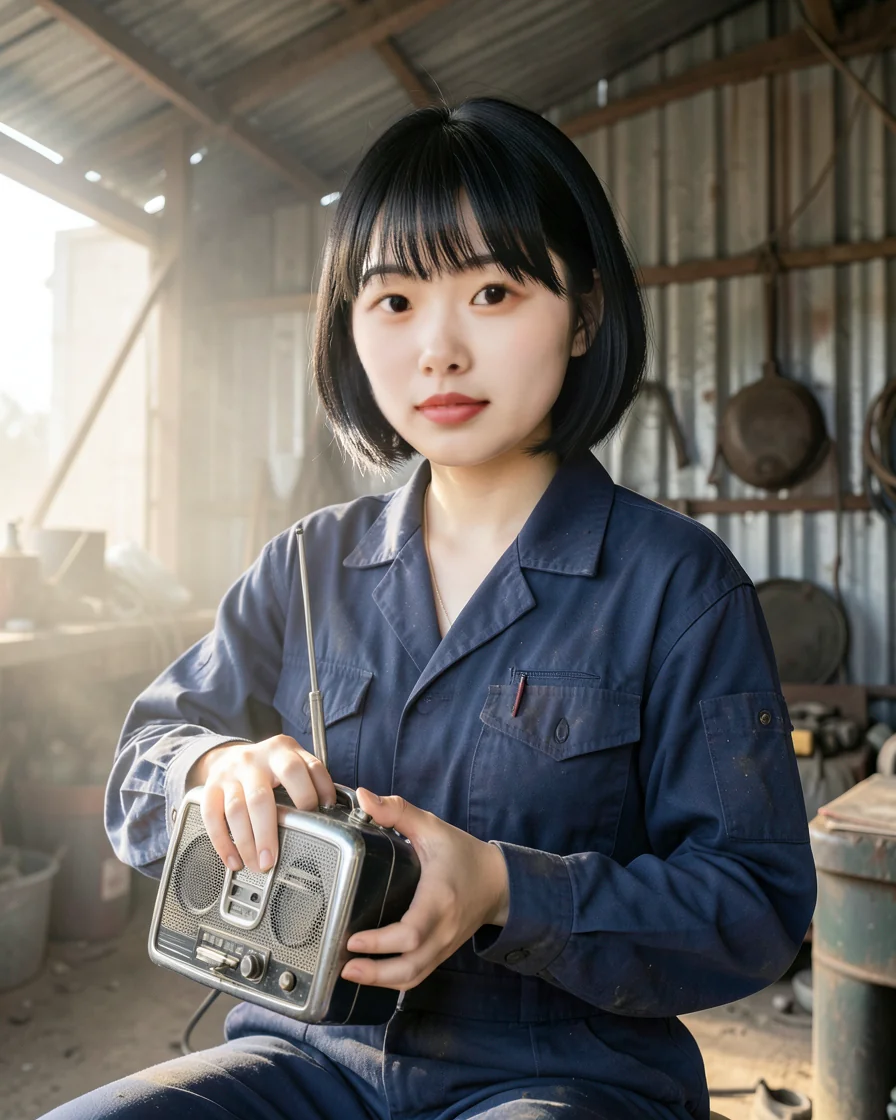
The large sheet was meant to show Kyoto roofs at dusk, with a cat crossing the lane and a cup of tea left on a windowsill. I had drawn it for weeks in fragments, testing the sky on discarded paper before painting the final blue. That evening, I wore my deep-blue work overalls and rolled both sleeves above my wrists. Ink had already marked them in pale constellations.
Blue was never just one color. On the roofs it became almost black; on the cup it held a thin reflection; along the cat's back it shifted toward violet. I mixed a final batch and leaned over the lower corner, where a shadow gathered between two walls. Then my forearm caught the open jar.
The Spill
The ink left the jar in a heavy wave and crossed the lane I had just finished. It soaked into the paper with a soft, branching edge, far more convincing than the shadows I had painted by hand. I stood without moving. The room smelled of pigment and cold tea, and the cat watched from the shelf with professional indifference.
The stain was ugly only because I had planned every other mark.
My first instinct was to cover it with more blue. I mixed a second batch, then stopped. The new paint would hide the accident, but the composition would become heavier, and I would lose the sudden diagonal that the spill had made. I replaced the jar with a clean brush and stepped away to let the surface settle.
While it dried, I made tea and measured three spoonfuls of sugar. The sweetness cut the bitterness of the pigment smell. I ate one piece of wagashi from the tin and turned it over in my fingers. Its pale pink surface reminded me that a small area of untouched color could hold more attention than a carefully balanced field.
What the Cat Added
Later, a paw landed in the wet corner. The cat left four small prints beside the spill, each one blue and slightly tilted. I could have cleaned the sheet completely and begun again, but instead I drew a thin line of moonlight above the unexpected marks. They became reflections on the flooded lane, and the cat appeared to have stepped through it.
The mistake gave the finished street somewhere for the eye to rest.
By morning, the blue had dried into a deep, glossy patch. I disliked it for several minutes, which was enough to know I had been too close to the work. The edges were uneven, but the lane now had depth. I added only three controlled lines: the rim of the cup, the curve of the cat's tail, and a distant roof.
I signed the lower margin beside the stain and dated the piece without revising the number. The painting was no longer a clean study of Kyoto roofs; it was a record of pigment, a paw, and the hour when my attention broke. That sounded more sentimental than it looked, so I left it there.
The next day I wore the same overalls to another table in my room. A pale blue mark remained near the elbow, almost circular. I did not wash it out immediately. It was small enough to be private, but large enough to remind me that an illustration could end in a different place than the one I had imagined.
At dusk, I opened the window facing the Kamo River. The real rooftops were flatter and less dramatic than the painted ones, and no cat crossed the lane below. I packed the finished sheet between two pieces of board. Outside, the river carried the last light toward the evening, neat and continuous, without a stain in sight.
中文译文
那张大纸原本要画京都屋顶的黄昏:一只猫穿过小巷,窗台上留着一杯茶。我用了数周时间,分碎片段绘制,先在废纸上试天空的蓝。那天晚上,我穿着沾过墨的深蓝工装,把两边袖口卷到手腕上方。浅淡的墨点已经像星座一样落在上面。
蓝色从来不止一种。落到屋顶上几乎成了黑,落在杯沿则留下一线反光,掠过猫背时又偏向紫。我调好最后一批颜料,俯身画下方角落,两堵墙之间的阴影正在那里聚拢。随后,我的小臂碰翻了敞开的墨罐。
泼溅
墨汁从罐里涌出,漫过刚画完的小巷。它以柔软而分叉的边缘渗进纸面,比我亲手画的阴影更像真的。我站着没动。房间里散着颜料和冷茶的气味,猫从架子上看着,神情专业得近乎冷淡。
这场污渍之所以难看,只因此前每一笔都在计划之内。
我的第一反应是用更多蓝色盖住它。我调了第二批颜料,却停下了。新的颜色能遮住意外,却会让画面变沉,我也会失去泼墨突然造出的那道斜线。我换上一支干净的刷子,退开几步,等纸面稳定。
等待时,我泡了茶,量了三匙糖。甜味压住颜料的苦味。我从铁盒里拿出一块和果子,放在指间翻看。浅粉色的表面提醒我,一小块没有被触碰的颜色,有时比精心平衡的大片色块更吸引目光。
猫添下的东西
后来,一只猫爪踩进尚未干透的角落。四个蓝色爪印挨着泼痕,每一个都略微倾斜。我本可以彻底洗净重画,却只在意外痕迹上方添了一道细细的月光。它们成了积水上的反光,猫看起来像是刚从水里走过。
这个错误让完成的小巷终于有了一个让视线停下的地方。
到了早晨,蓝色干成一块深而发亮的斑。我讨厌了它几分钟,这已经足够说明我此前靠作品太近。边缘并不齐整,小巷却有了深度。我只补了三道受控的线:杯口、猫尾的弧线,以及远处的一片屋顶。
我在污渍旁签名,写上日期,没有修改编号。这幅画不再是京都屋顶的干净习作,而是一份关于颜料、猫爪,以及我注意力断裂那一小时的记录。这么说比实际听来更煽情,所以我就只写到这里。
第二天,我仍穿着同一件工装,在房间里的另一张桌旁工作。肘部还留着一枚浅蓝色圆印。我没有立刻洗掉。它小得近乎私密,又足以提醒我,一幅插画可能停在一个与原先想象不同的地方。
黄昏时,我打开朝向鸭川的窗。真正的屋顶比画里的平缓,也没有画中那么戏剧化,下面没有猫穿过小巷。我把完成的画夹在两块板之间。窗外,河水把最后的亮光送向傍晚,整齐而连续,看不见一处污痕。