Essay
Field Notes for a Seasonal Illustration
季节插画的花田笔记
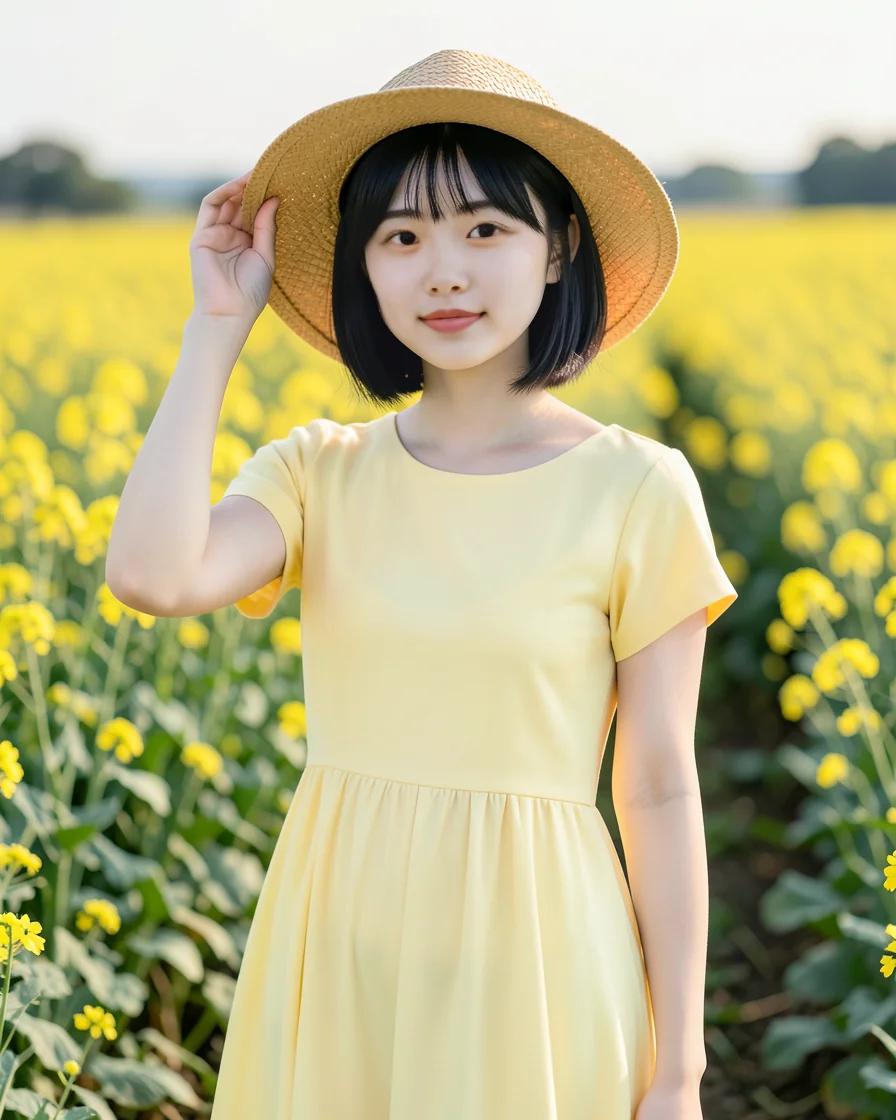
I went to the edge of Kyoto with a folding stool, a water bottle, and fewer brushes than I usually carry. The field had been planted in long rows, but a narrow path through the flowers made it look less ordered. I wanted to illustrate the hour before the colors flattened, so I sat facing west and waited for the stems to cast their first shadows.
My first page became a map of intervals rather than objects: purple between green, yellow at the shoulder of the path, white only where the sky touched the flowers. I drew at the speed of the wind. Every few minutes, the rows shifted, and the pattern I had just recorded became wrong. This was useful, though inconvenient.
Colors That Refused to Stay
Instead of mixing a precise green on the spot, I captured small samples of light on the page with colored pencil. The method was clumsy, yet it preserved the temperature of the scene. A muted gray sat near the stems; a warmer green waited under the path. By noon, the field looked flatter than it had in my notes, exactly as I suspected.
The field changed faster than the names of its colors.
I ate a small wagashi wrapped in paper while the breeze pressed the pages flat. The peach-colored sweet left a faint sugary mark on my fingers, so I wiped them before touching the paper. An illustrator can plan for smudges, but there is no elegant way to ruin a clean sheet with sticky hands.
Back in my Kyoto room, I cleared the desk and pinned the field studies above it. From that height, the individual marks resolved into a low horizon and a band of roofs beyond the flowers. The distant buildings needed no invented detail. Their quiet geometry was enough to keep the composition from becoming a postcard.
A Place for the Cat
A cat crossed the far end of the path, stopped to inspect one purple flower, and continued without looking back. I had been searching for a small visual interruption, something that would keep the eye from traveling through the rows without pause. I placed the cat near the lower edge, smaller than a thumbnail, and left the space around it untouched.
I kept the cat small because the field belonged to the wind.
The next morning, I transferred the studies onto a larger sheet with blue-black ink. I resisted outlining every stem. Where the pencil notes had become crowded, I allowed two flowers to merge. The drawing remained legible, but not clinical; a few petals overlapped, and the cat was only a suggestion of ears, back, and tail.
On the final page, I added the roofs and the strip of sky without adding a story about them. No traveler, no letter, no perfect sunset. The illustration would show a particular hour on a particular edge of Kyoto, and that was already more than decoration. Some scenes are complete when nothing unnecessary is added.
When the ink dried, I compared the finished sheet with the color notes. The match was imperfect. The painted sky was cooler, and the flowers seemed denser than they had been in the field. I accepted the distance between experience and record. A drawing should not pretend that memory and observation are the same thing.
I rolled the sheet loosely around a piece of cardboard and set it beside a box of unused cat postcards. The two projects could wait. For now, I wanted the field to remain unresolved in my mind: wind moving through rows, a cat crossing without ceremony, and the roofs holding still beyond it all.
中文译文
我带着折叠凳、水瓶,以及比平时少得多的画笔,去了京都边缘的一片花田。花畦排得很直,中间一条窄路却让整片地看起来不那么规整。我想画下颜色变平之前的一小时,于是面朝西坐下,等花梗投出最初的影子。
第一页画的不是物件,而是彼此之间的距离:紫与绿之间,路面肩头的黄,天空碰到花的地方才有白。我追着风的速度作画。每隔几分钟,花畦便换一次方向,刚刚记下的图案立刻失真。这既麻烦,倒也很有用。
不肯停留的颜色
我没有在现场调出准确的绿色,而是用彩色铅笔在纸上截取几小块光线。这个方法有些笨拙,却保住了场景的温度。花梗附近压着一点灰调,小路下面则留着更温暖的绿。到了中午,花田比笔记里显得平淡,正如我猜到的。
花田变化得比颜色的名字更快。
风把纸页压平时,我吃了一块用纸包着的小和果子。浅粉色的甜食在指尖留下淡淡糖痕,我擦净手才碰纸。插画师可以为蹭脏做准备,却没法用优雅的方式毁掉一张干净的纸。
回到京都的住处,我腾空书桌,把花田习作钉在上方。从那个高度看,零散的笔触渐渐组成低矮地平线,以及花地尽头一排屋顶。远处的建筑无需虚构细节,它们安静的几何轮廓足以让画面不至于变成旅游明信片。
给猫留一个位置
一只猫从远处小路走过,停下来查看一朵紫花,然后头也不回地继续。我一直在寻找一个细小的视觉停顿,好让视线别毫无阻碍地穿过整片花畦。我把猫放在靠近下缘的位置,只有指甲盖那么大,四周刻意留白。
我把猫画得很小,因为那片花田属于风。
第二天早上,我用蓝黑墨水把这些习作誊到大纸上。我没有给每根花梗勾线;铅笔笔记拥挤的地方,允许两朵花叠在一起。画面仍看得清,却不过分精确冷静:几片花瓣互相压住,猫只由耳朵、背和尾巴暗示出来。
最后一页,我添上屋顶和窄窄的天空,却没有替它们编故事。没有旅人,没有信件,也没有完美的落日。画面只需要呈现京都边缘的某一个具体时刻,这本身就已经不只是装饰。有些场景,不添任何多余之物才算完整。
墨迹干后,我把成品与颜色笔记并排比较。并不完全相同。画出来的天空更冷,花朵也比田野里显得更密。我接受体验与记录之间的距离。画画不该假装记忆和观察是同一回事。
我把纸松松卷在硬纸板上,放在一盒尚未使用的猫主题明信片旁边。两个项目都可以等等。此刻我想让花田在记忆里保持未解:风吹过花畦,一只猫无声穿过,远处的屋顶始终不动。