Essay
A Note on Page Nine, for Whoever Comes Next
第九页的便签,留给下一个人
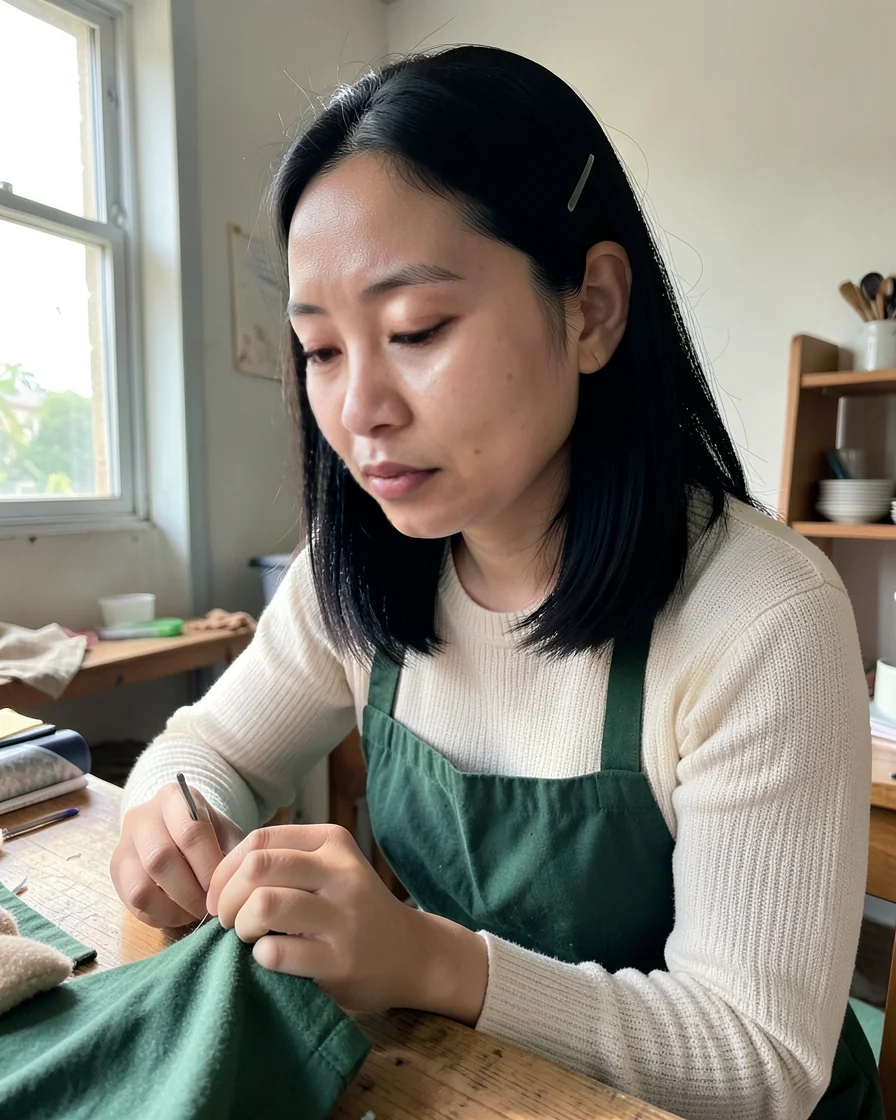
The drawer of my desk holds a stack of pale yellow slips, cut by hand because the bought ones are too wide for a small book. I write one line on each and tuck it where the story turns, usually around page nine, by which time the reader has decided whether to continue.
I never write a summary. A summary is a closed door with the room described on it. What I write is closer to directions: the part where the father comes back, the chapter with the flood, the page where the dog is fine, do not worry.
What belongs in a margin
Rules I keep for myself: one sentence, my own words, no spoilers, no signature. If I signed them, the child would read the note as a message to them, and it is not. It is a message from the book.
Last term a girl in Year Five borrowed the same title three times and returned it unfinished. I said nothing. On the fourth loan I left a slip: skip to page forty, the grandmother is there. She came back with the book finished and the note in her pencil case, folded twice.
A note is a hand on the shoulder, not a lesson.
Now they leave notes for me. A boy wrote on the back of one of mine, in pencil, that page forty was the best. I have not removed it. It sits in the book for the next reader, two handwritings in a small space, neither of them signed.
The ones nobody finds
Some slips are never found. They go out with a book, fall behind a shelf, get thrown away with a sandwich wrapper. I keep a list in the back of an exercise book of titles that never came back, eleven so far this year, and I do not write it as a charge against anyone.
I do not count missing books as theft. I count them as books still being read somewhere.
On Friday I cut a new stack and write the first lines that come. The drawer smells of paper and a little of the glue on my fingers. There are worse ways to spend an afternoon than writing sentences for people you will never meet.
中文译文
办公桌抽屉里存着一叠淡黄色的便签,自己裁的,买来的那种对小开本来说太宽。每张写一句话,夹在故事转弯的地方,通常是第九页附近——读到那里,一个人已经决定要不要继续。
我从不写内容简介。简介是一扇关着的门,门上写着屋里有什么。我写的东西更像指路:父亲回来的那一章、发大水的那一章、狗没事的那一页,别担心。
页边适合放什么
我给自己定的规矩:一句话,用自己的措辞,不剧透,不署名。署了名,孩子会当成写给他一个人的话。它不是的。它是书说的话。
上学期,五年级一个女孩把同一本书借了三次,每次都没读完就还回来。我什么也没说。第四次借出时我夹了张便签:跳到第四十页,外婆在那里。她读完还回来,便签折了两折,收在铅笔盒里。
便签是搭在肩上的一只手,不是一堂课。
现在他们也给我留。一个男孩在我那张便签背面用铅笔记了一句:第四十页最好看。我没有把它拿走。它留在书里给下一个读者,一小块地方挤着两种笔迹,谁都没署名。
没人找到的那些
有些便签永远没人找到。跟着书出去,掉在架子后面,和包三明治的纸一起被扔掉。我在练习本最后几页记下再没回来的书名,今年到目前是十一本。我不是把它当作对谁的控诉。
丢了的书不算偷,只算它正在别处被人读着。
星期五我裁一叠新的便签,写下最先冒出来的句子。抽屉里有纸的味道,还有一点我手指上残留的胶味。一个下午就这样用来给永远不会见面的人写句子,不算最糟的过法。