Essay
Books That Come Back by Boat
坐船回来的书
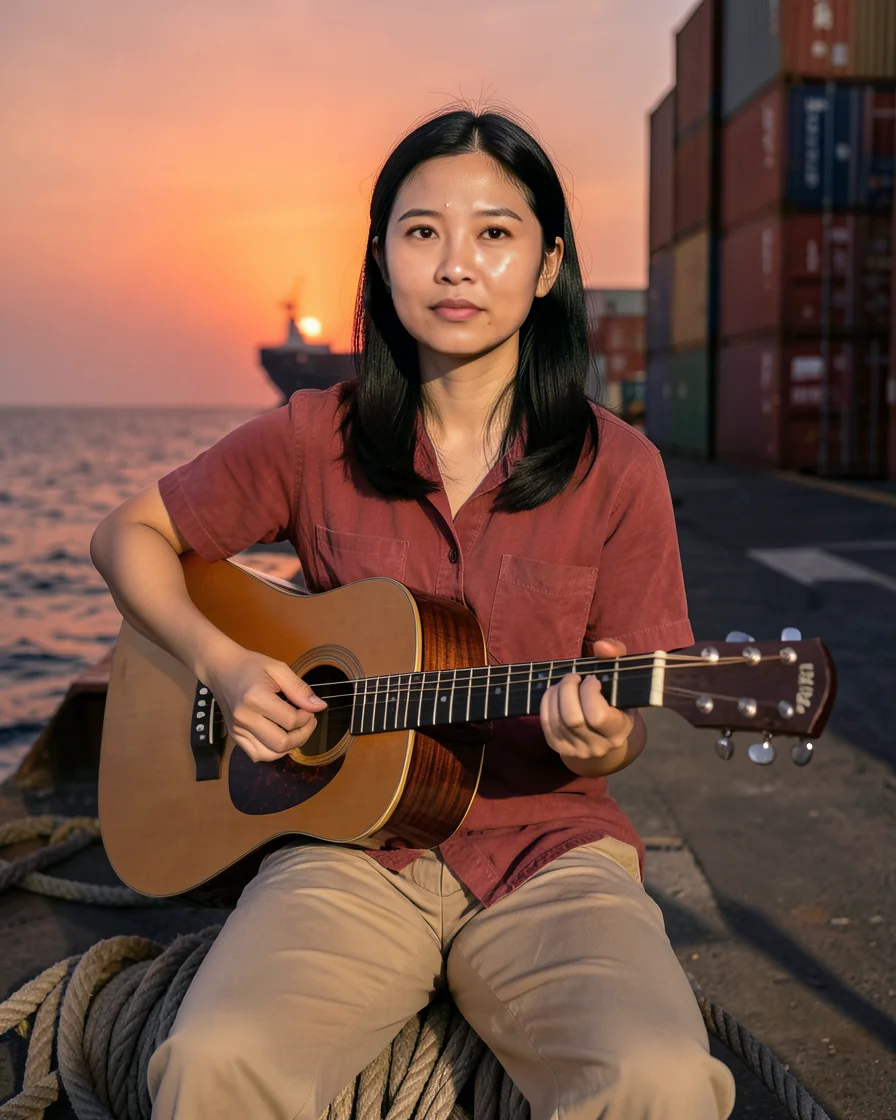
School ends a little after noon and the jetty fills with children. They come down the plank walkways in twos, uniforms still white, shoes in their hands. The water taxis are small and low, painted in colours that have faded in the same order on every hull. I walk down there some afternoons for no reason except the wind.
The children from the water village bring their books back softer than they left. Rain gets into the plastic bag, or the bag is not closed properly, or the book spends an hour under a damp shirt. By Thursday the pages have waves in them and the corners have begun to curl.
Drying a book without baking it
No sun and no iron; both do damage that shows up months later. I stand the book open in front of the fan, interleave the wet pages with blotting paper, change the paper at lunch, and put the whole thing under two dictionaries overnight. The waves come out. The smell takes longer.
A boy in Year Four now carries a zip bag I gave him, and inside that bag is a smaller bag for the book. He explained the system to me at length. I have never seen him without it since.
A book that has been rained on once will outlive the rain.
What the jetty teaches
I am not a patient person by nature; I am patient because I work with paper. On the jetty nobody hurries in the way I am used to. A man mends a net. Two girls do homework on a bench. A boat arrives, someone hands up a bag of mangoes, the boat leaves.
The reading room has the same rhythm, only indoors. Two shelves, a fan, children who come in wet and leave dry. I used to think a library had to be bigger than this to matter. Now I think it only has to be closer than this.
Everything I know about repair I learned from things that were handled too much and survived.
Last Friday I took a book down to the jetty and read four pages, then answered questions about it from a girl waiting for her brother. The book went back on the shelf on Monday with salt on the cover. I wiped it, wrote the date inside, and put it where it belongs.
中文译文
中午刚过学校就放学,码头挤满孩子。他们从木板栈道上一对一对地走下来,校服还白着,鞋提在手里。水上的士又小又低,每条船身上的颜色都按同样的顺序褪掉。有些下午我会走下去,没什么理由,只是为了那点风。
水村的孩子还回来的书总比借走时软。雨漏进塑料袋,或者袋口没扎好,或者书在湿衬衫底下压了一个钟头。到星期四,纸页已经起了波浪,书角开始往里卷。
晾一本书,不是烤一本书
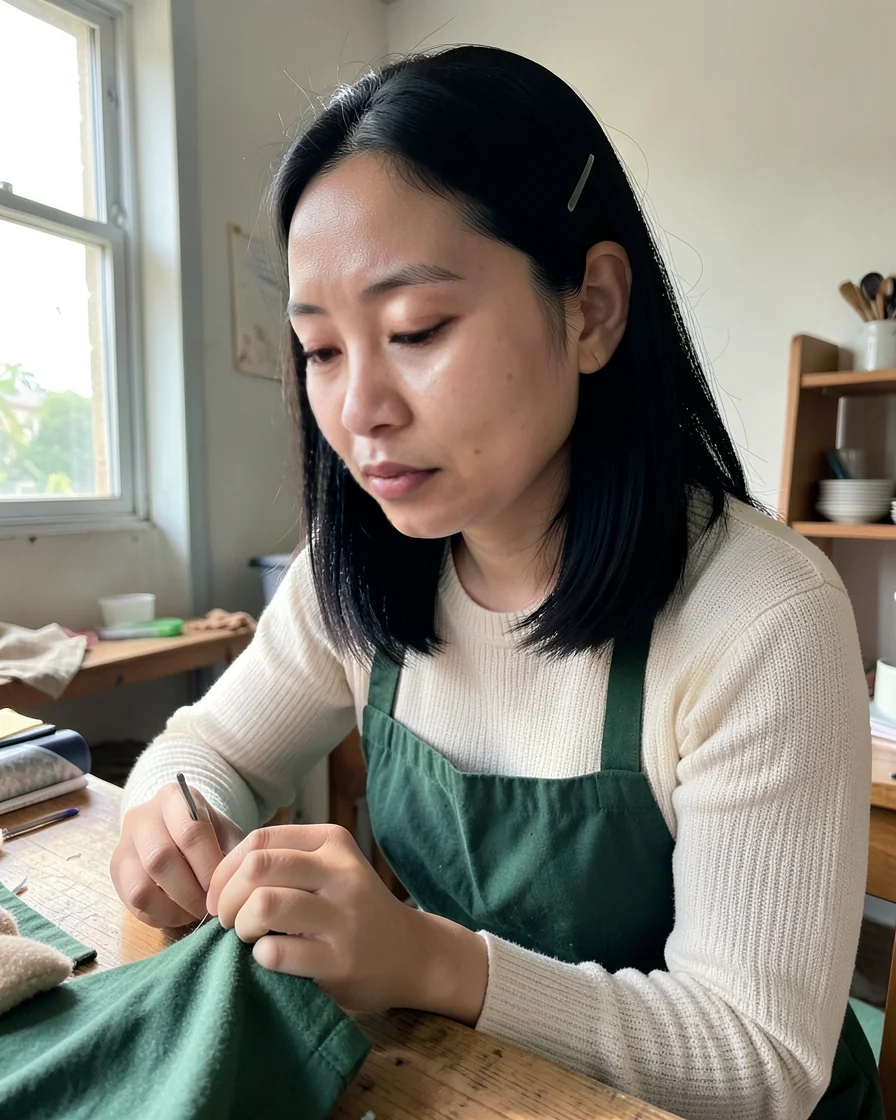
不能晒太阳,也不能用电熨斗;这两样造成的伤,几个月后才看得出来。我把书摊开立在电扇前,湿页之间夹吸水纸,中午换一次纸,整本压在两部词典下面过夜。波浪会平。气味要留得久一些。
四年级有个男孩现在带着我给他的密封袋,袋子里还有一个更小的袋子,专门装书。他详细地跟我解释过这套系统。从那以后我没见他空过手。
被雨淋过一次的书,会比那场雨活得久。
码头教我的事
我天性不算有耐心;我耐心,是因为我整天跟纸打交道。码头上没人按我习惯的那种方式赶时间。一个男人在补网,两个女孩在长椅上写作业,船靠过来,有人递上一袋芒果,船又开走。
图书室的节奏其实一样,只是搬进了屋里。两个书架,一台电扇,孩子湿着进来,干着出去。我以前以为图书室要更大才算数。现在我觉得,它只要比这更近就够了。
关于修补,我会的一切都是从那些被翻得太狠却活下来的东西身上学的。
上周五我带了本书去码头,读了四页,然后回答一个等哥哥的女孩提出的一堆问题。星期一那本书回到架上,封面上有盐。我擦干净,在里面写上日期,放回它该在的位置。