Essay
When a Student Corrects the Map
当学生纠正地图
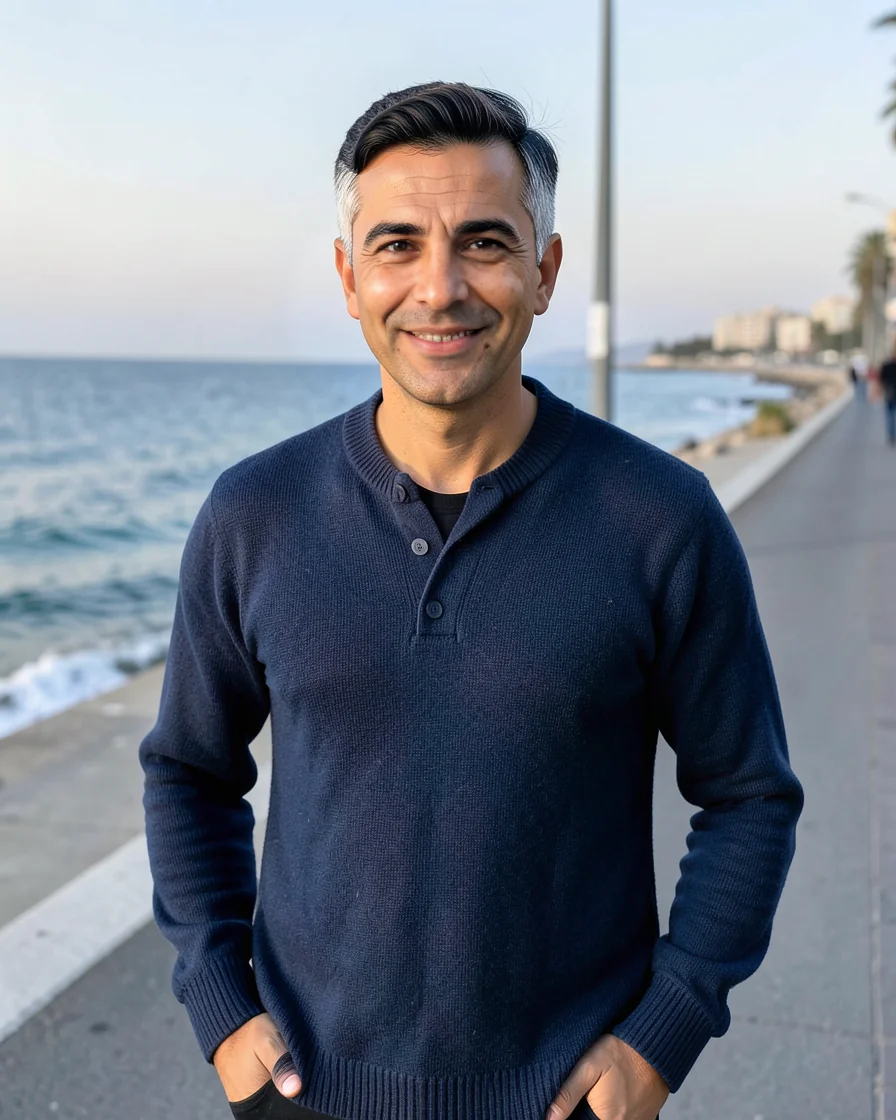
On a cool Tuesday in Oran, I entered my middle-school history classroom with three maps tucked under my arm. I had taught for sixteen years, and at forty-one I still prepared too much for a single period. The subject was the Mediterranean as a meeting place rather than a border. I wanted students to see movement, not memorize an abstract list of events.
A Question at the Back
Near the end, a student challenged the oldest map I had pinned down. He asked why the coastline looked different from the one outside the window. Someone laughed. Others looked from him to me, waiting for the correction I usually delivered quickly. I looked at the map for too long, and the room became unusually quiet.
I began with the obvious facts: maps are made for particular purposes, and every line depends on the person drawing it. Then I admitted what the exercise had hidden. I had wanted the students to trust the first map long enough for me to introduce the others. The question had exposed the method, and I felt the familiar irritation of being caught arranging a lesson.
A coastline may be stable, but the way we describe it is never beyond correction.
I gave the student the floor. He traced a route between two ports and asked what happened to the places between them. The class answered in fragments. Some spoke from the textbook; others offered stories about families who had moved. I wrote each claim near the edge of the board, without ranking it. By the bell, the map had more annotations than my original notes.
I was not upset that he had interrupted me. That is one of the reasons I like teaching: a precise question can break the shape of my performance. I can be talkative, sometimes too talkative, but I do not want my sentences to become walls. In this room, the pause after his question felt more useful than another polished explanation.
Three Maps, One Lesson
That evening I returned to the map table and drew a third version. I softened the shorelines, opened the interior routes, and left some names without dates. Then I copied all three in blue ink. The exercise no longer promised that one map was correct. It asked students to notice the decisions hidden inside each line, including mine.
In the next class, a girl asked whether uncertainty made history less useful. I told her that a fixed story often hides its own evidence. We spent the remaining minutes comparing what each map could show and what it could not. The room stayed talkative, but not careless. They began to challenge one another before challenging me, which is a quieter kind of victory.
Good teaching is not the absence of error; it is the presence of a method for finding it.
I keep a folder of questions that I could not answer when they were asked. Some were about dates, some about motive, and some about why adults accepted a familiar version for so long. The folder is not a record of failure. When a student repeats an old question, I can show how both of us have moved. Teaching becomes less a performance of knowing and more a shared correction.
Before I left the school in Oran, the boy who asked about the coastline stopped me at the gate. He wanted to know whether I had checked the map again. I had, twice. He seemed disappointed that I could not offer a perfect answer. I told him the map was already better because he had made it less certain. He nodded, as if that were a result worth defending.
Now I draw a deliberate mistake into some of my classroom maps. I place a route slightly wrong, leave a date in an unusual position, and ask the students to find the problem. They sharpen their pencils. I sharpen mine too. The lesson still lasts fifty minutes, but my habit adds five more, and the board usually cannot hold everything we discover.
中文译文
奥兰一个凉爽的周二,我夹着三幅地图走进自己的中学历史课堂。我已经教了十六年书,四十一岁了,却仍会为一节课准备过多内容。那天的主题是作为相遇之地而非边界的地中海。我希望学生看见流动,而不是背诵一串抽象事件。
后排的问题
快下课时,一名学生质疑我钉在黑板上最旧的那幅地图。他问,图中的海岸线为什么和窗外看到的不一样。有人笑了,其他人则在我和他之间来回看,等着我像往常一样迅速给出纠正。我盯着地图看了太久,教室里也渐渐安静下来。
我先陈述显而易见的事实:地图服务于特定用途,每一条线都取决于绘制它的人。接着,我承认这个练习原先掩藏了某种意图。我希望学生先相信第一幅图久一点,好让我引入另外两幅。那个问题揭穿了方法,也让我再次体验到被学生看穿教案安排时那种熟悉的恼火。
海岸线或许稳定,但我们描述它的方式永远可以修正。
我把讲台让给那名学生。他沿着两座港口之间的路线比划,询问沿途那些地方发生了什么。全班的回答支离破碎,有人照着教科书说,也有人讲起迁徙家庭的往事。我把每一种说法写在黑板边缘,不作高下之分。铃响时,地图上的批注已经比我原来的笔记更多。
他打断我时,我并没有生气。这正是我喜欢教书的原因之一:一个准确的问题能够打破我表演的形状。我很健谈,有时甚至话太多,但我不愿让自己的句子变成墙。在那间教室里,他问完之后留下的停顿,比又一段流利解释更有用。
三幅地图,一堂课
那天晚上,我回到桌边画出第三种版本。我把海岸线画得更柔和,打开内陆路线,并让一些名字不再附有日期。随后,我用蓝色墨水描摹了三幅图。这个练习不再承诺其中某一幅绝对正确,而是要求学生留意每条线里隐藏的选择,包括我的选择。
下一堂课上,一个女孩问,不确定性是否会让历史变得不再有用。我告诉她,固定的故事常常藏起自身的证据。我们用剩下的时间比较每幅地图能够展示什么,又遗漏了什么。教室仍然喧谈,却不再 careless。学生开始先质疑彼此,而不是先质疑我,这是一种更安静的胜利。
好的教学并非没有错误,而是拥有发现错误的方法。
我保存着一个文件夹,里面都是学生提问时我没能当场回答的问题。有些关于日期,有些关于动机,也有些追问成年人为何长久接受同一种熟悉说法。这个文件夹不是失败记录。当学生再次提出旧问题,我可以看见彼此如何向前移动。教学于是少了几分表演知识,多了几分共同校正。
离开奥兰的学校前,那个询问海岸线的男孩在校门口叫住我。他问我有没有重新查过地图。我查了,两次。他似乎因为我没给出完美答案而失望。我告诉他,正是因为他,地图才变得更诚实,也更不确定。他点了点头,仿佛那是一个值得维护的结果。
如今,我会在部分课堂地图里故意画错。我把一条路线稍稍放偏,把一个日期放在不寻常的位置,再请学生找出问题。他们削尖铅笔,我也一样。课程仍只有五十分钟,我的习惯却会多添五分钟,而黑板通常装不下我们发现的一切。