Essay
Five Minutes Beyond the Bell
铃声后的五分钟
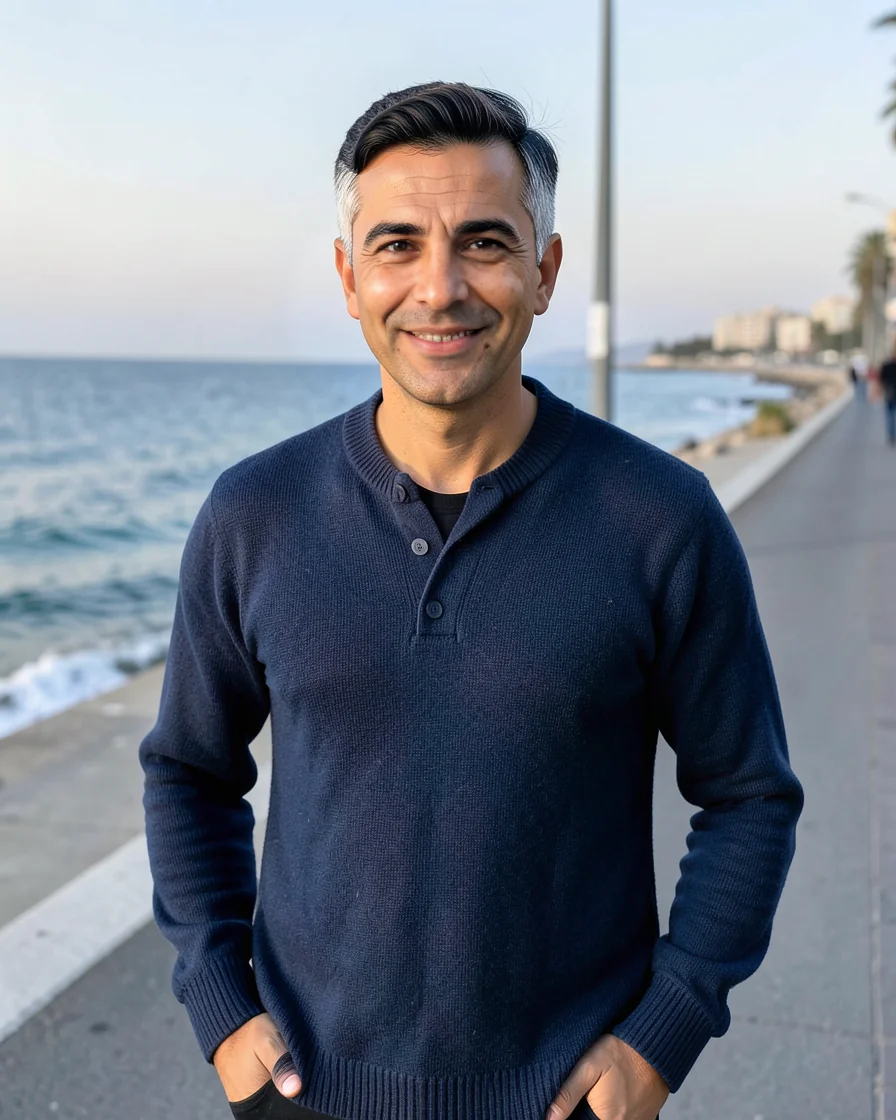
At forty-one, I still lose track of time in the middle-school history room in Oran. The bell sounds, I gather the maps, and someone asks a final question from the back row. I answer it. Then another hand rises. Five minutes become ten, and the empty classroom begins to feel like the best part of the day.
Questions After Dismissal
Most are small: why an empire's name traveled farther than its coins, why a mountain sits in the wrong place on an old chart, why people keep returning to the same harbor. I answer in short pieces, drawing as I speak. The students leave in groups, but their questions remain on the board like chalk dust after the room has been swept.
One afternoon, a student asked whether borders on a map were older than the countries they enclosed. I started to explain, noticed the usual certainty in my voice, and stopped. We spent the last minutes looking at two versions of the Mediterranean. The student did not find a final answer. Neither did I, and somehow that made the room more attentive than any neat conclusion.
A map becomes history when it admits that the past will not hold still.
On the walk home from school, the Mediterranean often appears between the apartment blocks, a pale strip beyond the traffic. I pass bakeries, shuttered kiosks, and men carrying bread through the last light. Oran is always continuing its own argument with the map I teach: what looks peripheral on paper is immediate in a student's commute.
The Work of Listening
I talk a great deal, especially when a subject interests me. In class, that habit can become clutter; after school, it becomes an invitation. A student may begin with a half-formed thought, then test it against my reply. I try not to improve the question too quickly. Sometimes the useful part arrives only after the student has heard it spoken badly.
That patience was not always natural to me. For years I filled pauses with another fact, as if silence were a hole the lesson needed repairing. The students noticed. One girl used to hold up a blank notebook whenever I sped up. It was a quiet rebuke, more effective than any raised hand. I began to understand that listening also takes time.
By the time the last student leaves, the room is marked with half-erased arrows, a date under a ruler, and the pale rectangles where taped paper had hung. I wash the board only in the morning. At night, those traces let me reconstruct the conversation: not just what I said, but what someone else made me reconsider.
Sometimes a teacher is paid to know the ending of a story. I would rather be paid to help students see why the ending was never the whole journey. History gives us that habit. We look for the route behind the monument, the disagreement beneath the official line, and the ordinary person who had to live inside the grand words.
The lesson is not over when the bell rings; it only changes its shape.
At home, I keep a folder for each class. There are no names, only the questions I hope to carry into the next week. One folder holds a sketch of a trade route; another, a list of dates my students erased and corrected. When I open them, I remember the room better than my own explanations. The children had supplied the pulse.
Tomorrow I will draw the coast again, probably with one line too bold. A student will notice. I will leave it on the board a little longer, invite the room to object, and accept the small delay in the schedule. The Mediterranean will remain beside the city, and the classroom will remain beside the Mediterranean. That distance is my subject.
中文译文
四十一岁了,我仍会在奥兰的中学历史教室里忘记时间。铃声响起,我收拾地图,最后一排却有人又问了一个问题。我回答以后,另一只手又举了起来。五分钟变成十分钟,空下来的教室便成了那一天里最好的部分。
放学后的问题
问题大多很小:为什么一个帝国的名字比它的货币传播得更远,为什么山脉在旧地图上偏了位置,为什么人们不断回到同一座港口。我一边画图,一边用零碎的句子回答。学生们分批离开,问题却像打扫后仍留在黑板上的粉笔灰。
一天下午,一名学生问,地图上的边界是否比它们包围的国家更古老。我刚要解释,便察觉到自己声音里惯常的笃定,于是停了下来。最后几分钟,我们一起查看两幅不同版本的地中海地图。学生没有找到最终答案,我也没有;不知为何,这比任何整齐的结论都更能让全班安静下来。
当地图承认过去不会静止,它才真正成为历史。
放学回家途中,地中海常从公寓楼之间露出来,在车流之外留下苍白的窄带。我经过面包店、已经关门的 kiosks,以及在暮色中搬运面包的男人。奥兰始终在与我所讲的地图继续争论:纸面上的边缘之地,对每天上学的学生而言近在眼前。
倾听这件工作
我很健谈,尤其在遇到感兴趣的话题时。课堂上,这可能变成 clutter;放学后,它却成了一种邀请。学生可能先提出一个尚未成形的想法,再拿我的回应去检验它。我尽量不急着把问题修饰得更漂亮。有时真正有用的部分,要等学生把话说得不够准确之后才会出现。
这种耐心并非我天生具备。多年来,我总用另一个事实填满沉默,仿佛安静是课程需要修补的漏洞。学生们察觉了这一点。有个女孩每逢我说得太快,便举起一本空白笔记本。那是一次安静的纠正,比任何高举的手都有效。我慢慢明白,倾听同样需要时间。
最后一名学生离开时,教室里留着擦到一半的箭头、直尺压住的一个日期,还有胶带纸揭下后的浅色方块。我只在早晨擦净黑板。夜里,那些痕迹帮助我还原当时的谈话:不只是我说了什么,也包括某个学生促使我重新思考了什么。
有时,教师的工作仿佛是为了知道故事的结局。我更愿意帮助学生看见,结局为什么从来不是旅程的全部。历史给了我们这种习惯:寻找纪念碑背后的道路、官方线条之下的分歧,以及必须生活在宏大言辞之中的普通人。
铃声响起时,课程并未结束,它只是改变了形状。
在家里,我为每个班保存一个文件夹。里面没有姓名,只有我希望带到下一周的问题。一个文件夹装着贸易路线的草图,另一个记着被学生擦掉又改正过的日期。重新打开它们时,我记得的往往是教室,而不只是自己的讲解。那间教室的脉搏由孩子们提供。
明天我会再次画起海岸,也许仍会把其中一条线画得过重。学生会看见。我会让它多留在黑板一会儿,请全班提出反对,也接受日程因此短暂延后。地中海关乎依旧贴着城市,教室也依旧隔着它望向那面海水。这段距离正是我的课题。