Essay
The Morning Briefing Nobody Heard
没人听见的晨间简报
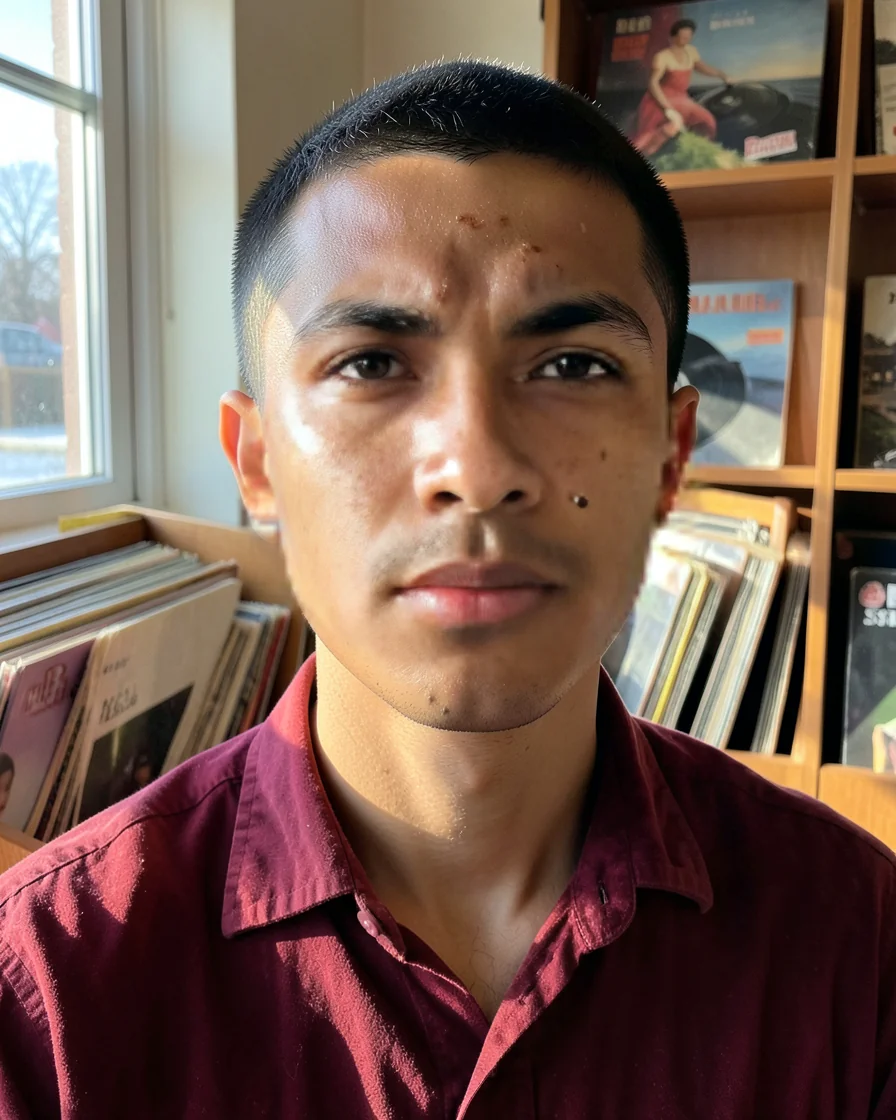
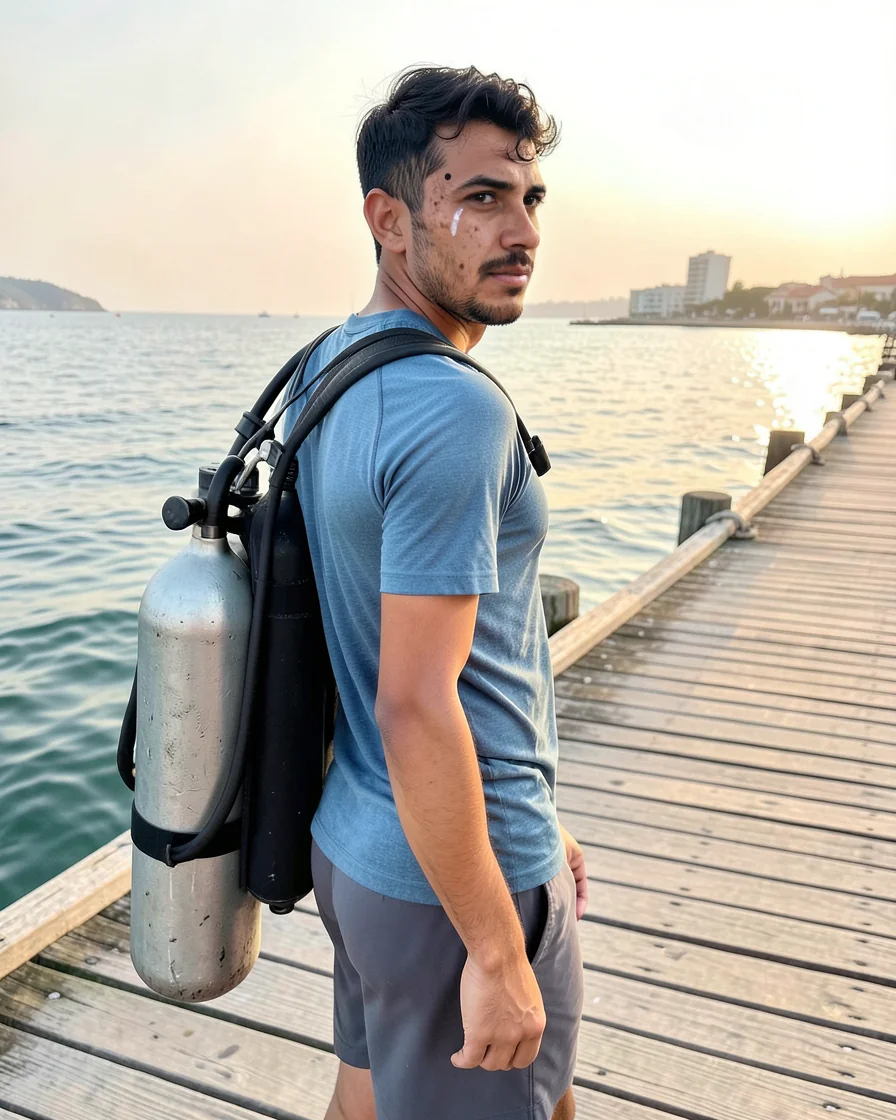
The boat leaves the dock at 5:40. I load the tanks first, then the spare fins, then the weight belts, in the order I have used for nine years. Before the sun clears the mangroves I wear the old burgundy flannel over my shoulders. It is the only thing I own that keeps the early air off me and still looks like clothing instead of a uniform.
Briefing on the dock takes four minutes and I use them well: equalize early, stay on the side of the reef, keep your hands off the coral, and if I raise a closed fist, stop moving. Two of the group are photographers. One of them asks whether the reef can be touched, and I tell him the word for it that the dive operators here use, which is no. He smiles the way people smile when they have already d
At the site the water is glass and the light is green-blue and flat, the way it looks before the current picks up. I point out the barrel sponges, the sea fans, the small group of grouper that have decided this wall is theirs. Then I let go of the wall and wait. Nobody stays behind me for long.
Twenty Meters Down
Below twenty meters the sea stops carrying sound. The regulator's breathing is the loudest thing in the world, and even that fades into the jacket. So the rules become the hand: two fingers for down, flat palm for stay, closed fist for stop. I have watched men try to argue with a current in conversation and lose. A hand takes a second and does not lose.
The photographer goes ahead. I see his hand come down on a table coral, on the fire coral edge, on something pale and brittle he thinks is a rock. I close the distance, take his wrist, and lift it away from the reef. Then I point at the coral and then at him, and I point again at my own gloves. He understands, or at least he stops.
At depth, a raised hand is a whole sentence.
A woman on the far side of the group starts breathing too fast. Her bubbles climb like a string of beads, small ones, close together. I move in front of her, put my hand flat on my chest and breathe slowly so she can hear the rhythm through the noise. She matches it. Within two minutes her breathing drops to mine. I have never explained this part in a briefing, because the briefing has to happen b
The rest of the dive is uneventful, which is the word divers use for a good day. I check the air on the way up, hold the group at three minutes, and we stand on the boat in the sun with the wind coming off the water. Somebody's shoulders are already pink. In Belize the sun does not negotiate; it signs the papers first and asks for skin later.
Back on the Dock
At four in the afternoon I write the numbers in the log: four divers, twelve meters, forty-one minutes, one tank change, one burned shoulder. The flannel comes off and goes into the bag, and the sun keeps working at the back of my neck the whole time I am writing.
One of them stays on the boat while the others go for a drink somewhere with music in it. He asks what the biggest thing I have seen is. I tell him I have been on this reef long enough that I no longer remember what surprised me, which is not the answer he wanted. He asks the second question, the one everybody asks, and I give him the name of a place I have not been to and cannot verify.
Then he leaves. I rinse the tanks, coil the hoses, check the boat's fuel and the first stage of my own regulator. The light goes long and orange over the harbour, and the sea keeps whatever it wants to keep. Tomorrow's forecast says flat water. Flat water is not the same as easy water, but it is a start.
中文译文
船在五点四十离岸。我先装气瓶,再装备用蛙鞋,最后装配重带,这个顺序我已经用了九年。天还没亮透、太阳还没越过红树林时,我把那件旧的酒红色法兰绒搭在肩上。它是我所有衣服里唯一既挡得住清晨凉气、又看着不像工作服的东西。
码头上的简报四分钟讲完,我用得很准:尽早耳压平衡,靠礁壁那一侧走,手别碰珊瑚;我握拳的时候,所有人停下来。队伍里有两位摄影师,其中一个问我珊瑚能不能摸。我告诉他这一带潜水员用的那个说法——不能。他笑了笑,那是他已经打定主意时特有的笑。
到了潜点,水面像玻璃,光是绿蓝的、平的,像洋流起来之前的样子。我指给他们看桶状海绵、海扇,还有那条认定这面墙属于自己的石斑鱼群。然后我松开墙,等着。没人会在我身后待太久。
水下二十米
过了二十米,海就不再传声。调节器的呼吸声成了全世界最响的东西,连它也闷进潜水服里。所以规矩变成了手势:两指向下,掌心平放表示别动,握拳表示停下。我见过有人想用对话跟洋流讲道理,然后输了。一个手势只用一秒,而且不会输。
那个摄影师游到了前面。我看见他把手压在桌形珊瑚上,压在火珊瑚的边缘,压在他以为是石头的、发白易碎的东西上。我靠近,抓住他的手腕,把它从礁面上带开。然后我指珊瑚,再指他,再指我自己的手套。他懂了,或者至少他停手了。
在深处,抬起一只手就是一整句话。
队伍另一头有位女士呼吸开始变急。气泡一小串一小串地往上走,密密的。她游到我面前,我把手掌平放在胸口,慢慢呼吸,让她在噪音里听见节奏。她跟上了。两分钟内,她的呼吸降到跟我一样。这一段我从来没在简报里讲,因为简报要发生在下水之前,而这段只能发生在水里。
剩下的时间无事发生——这是潜客形容好天气的词。上浮时我查气压,在三分钟处压住全组,大家站在船上吹风,太阳从水面那边过来。有人在半小时前肩膀就已经发红。在伯利兹,太阳不谈判,它先签字,然后才来收皮。
回到码头
下午四点我在日志上写数字:四名潜水员,十二米,四十一分钟,换一次气瓶,一副晒伤的肩膀。法兰绒脱下来塞进袋子,我写数字的时候,后颈的太阳一直在干活。
有个人留在船上,其他几个去有音乐的地方喝酒。他问我见过最大的东西是什么。我说我在这片礁上待得太久,已经记不清什么让我惊讶了,这显然不是他想要的答案。他又问了第二个问题——所有人都会问的那个——我说了一个我没去过、也没法核实的地方的名字。
然后他也走了。我冲洗气瓶,卷好气管,检查船上的油和我自己调节器的第一级。光线在港口上拉得又长又橙,海留下它想留的东西。明天的预报说水面平。水面平不等于水下容易,但算个开始。