Essay
An Old Survey Chart in the Belize City Library
伯利兹城图书馆里的旧海图
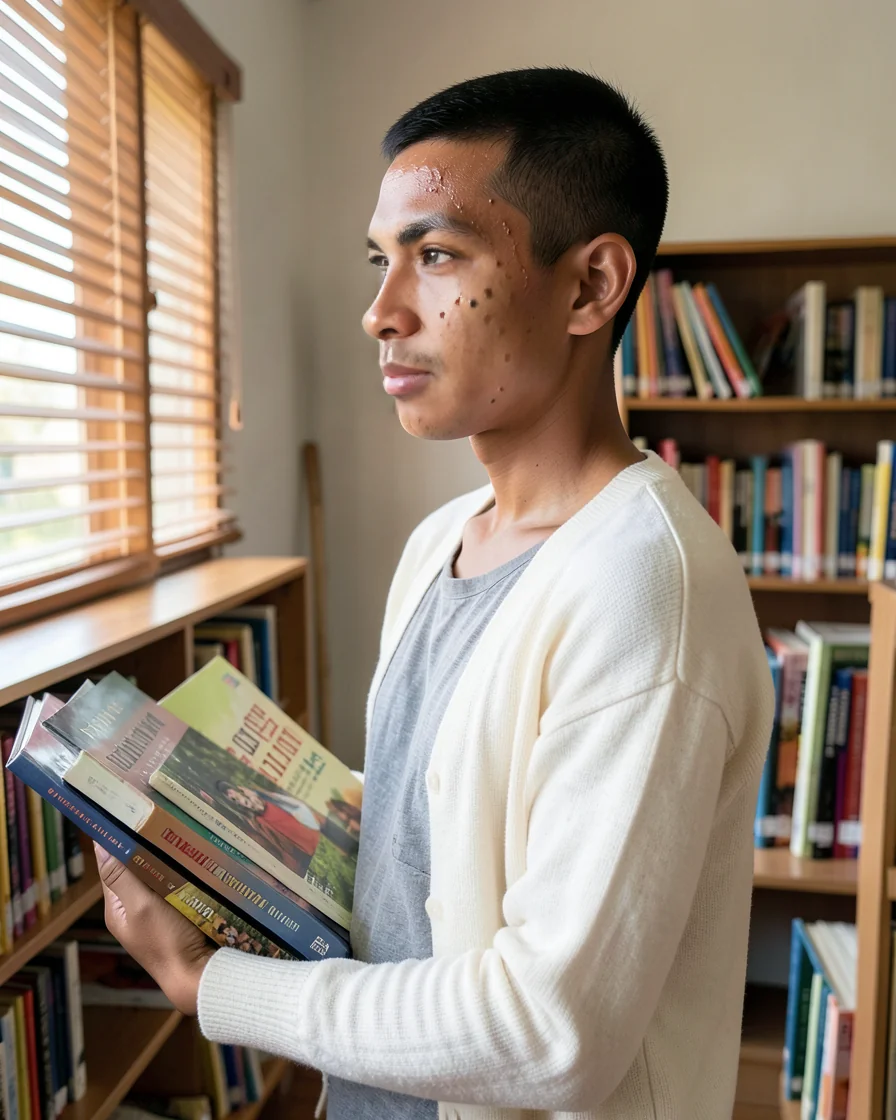
The public library in Belize City is the only room in town where I can sit for an hour without being asked a question. Air conditioning, plastic chairs, a ceiling fan that ticks. The librarians know me now; they wave when I come in with a notebook and stopped asking for my card three years ago.
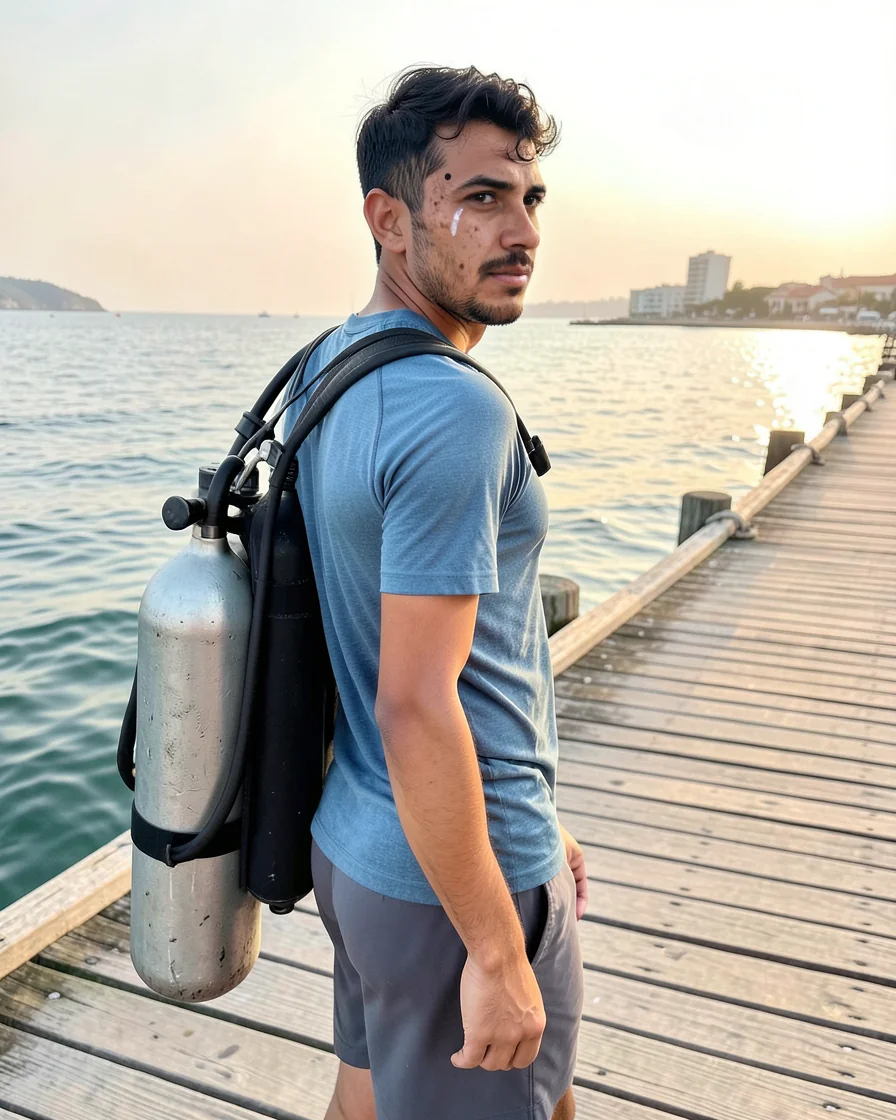
I am looking for survey charts of the reef system I work on: the wall at the offshore patch, the shallows near the river mouth, the drop-off with the sea fans. The charts in the collection are older than I am, printed on paper that has gone the color of tea, with depths in fathoms and soundings in somebody's careful handwriting.
Fathoms. I have to convert, which means doing arithmetic in a library chair, slowly, under a fan. One fathom is six feet. Every time I do it I think of my father, who said the sea is deep because it has to be, and that this was the only free advice he ever gave me.
What the Paper Says
The survey notes the sponges differently. Here a barrel sponge is drawn as a small circle with a dot, here it is written as massive, orange, ten feet, and in one margin a different hand has written in pencil: still there, 1974. Somebody stood where I stand and wrote a thing that had not changed. I read that line four times.
I compare their bottom time with mine. Their tanks were steel and their wetsuits were much worse than what I wear, and they still logged forty-five minutes at sixty feet. I feel briefly, absurdly proud of the people who measured this reef with a line and a slate and no electronics at all.
A reef does not move, but the paper about it does.
A student comes in with headphones and sits near me. Nobody speaks for an hour. It is the quietest thing I do all week, and I do not do anything about it.
The map case in the library holds the modern charts, laminated, bright, everything numbered and shaded. I take notes from them anyway, because I want the old names: the names divers and fishermen used before the numbers. Half my work with tourists is translation, from numbers back into a place with a name.
On the way out I pass the window and the harbour is there, flat and silver under the afternoon. I have spent most of my life in the water off this coast and I still find the reef strange from above. It looks like a country seen from very high up, with no streets.
What I Copy
I copy three lines into the notebook, with the years and the depths, and leave the rest. I do not want the whole chart. I want enough to know that the sea I guide people through was once measured by somebody who wrote in pencil, in a margin, and was not afraid to say what they had seen.
The librarian stamps my page at the desk. I say thank you and she says the fan is broken and will be fixed in March. March has come and gone twice since then. I like the place more for that.
中文译文
伯利兹城的市立图书馆,是这座城里唯一一间我可以坐满一小时而没人来问我问题的屋子。冷气,塑料椅,天花板上的吊扇滴答响。管理员现在认得我了,我带着笔记本进来时她摆摆手,不再要我的借书证——那三年前她就不问了。
我要找的是我这片礁的测量海图:外礁区的礁壁,河口附近的浅水,长满海扇的陡坎。馆里的图比我老得多,纸印成了茶色,水深用英寻标注,水深点出自某个人的谨慎笔迹。
英寻。我得换算,也就是坐在图书馆的椅子上,慢慢地做算术。一英寻是六英尺。每换一次我就会想起我父亲,他说海之所以深,是因为它不得不深——那是他给过我唯一的免费建议。
纸上写着什么
测量记录里海绵的样子不一样:这里画成带点的小圆圈,那里写成巨型、橙色、十英尺,某一页的页边还有另一只手用铅笔写下的:1974年,仍然在。有人站在我站的地方,写下一个没有改变的事实。那行字我读了四遍。
我拿他们的潜水时长跟我的比。他们的气瓶是钢瓶,潜水衣比我这身差得多,他们照样在六十英尺待了四十五分钟。那一刻我对当年那些用测绳和石板、没有任何电子设备的人,产生了一点荒唐的骄傲。
礁石不动,写它的纸会动。
有个戴耳机的学生进来,坐在我附近。一小时里没人说话。这是我整周最安静的一件事,而我什么也不做。
图书馆的图柜里有新图表,覆了膜,颜色鲜亮,所有东西都编号、都着色。可我还是从上面做笔记,因为我想要旧名字——在编号之前,潜水员和渔民给这些地方起的名字。我给游客做的活儿,一半就是翻译:把数字翻回一个有名字的地方。
出门时我经过那扇窗,港口就在那儿,午后的光把水面摊成一片银。我在离这片海岸的水里过了大半辈子,从上面看礁石还是觉得陌生。它像一个从很高很高的地方看下去的国家,没有街道。
我抄下来的
我往笔记本上抄了三行,连年份和水深一起抄,其余不要。我不想要整张图。我只想知道,我带人潜过的这片海,曾经被一个用铅笔在页边写字的人量过,而那个人并不怕说出自己看见了什么。
管理员在服务台给我的那页盖章。我说谢谢,她说吊扇坏了,三月会修。三月已经过去两次了。我因此更喜欢这个地方。