Essay
Chili on a Dhaka Balcony
达卡阳台上的辣椒
My balcony holds three pots, one steel bowl, and a chair narrow enough for my pattern paper. In Dhaka, the afternoon heat settles against the walls, so the chili plants lean toward the open window. I water them before leaving for the factory and check the soil again when I return, usually after sunset.
The first seedlings came from a neighborhood vendor who said the pods would be small and sharp. I did not expect them to grow so quickly. Their leaves crowd the railing, making a dark green screen against the laundry line while I copy alterations at the kitchen table and listen to the street below.
A Small Weather System
Every evening I brew red tea by hand and let it steep longer than necessary. The leaves open in the steel bowl while the balcony collects the day’s dust and diesel. I carry the cup inside before the mosquitoes arrive, but I keep the pot near the door, as if its smell belongs to the whole flat.
On a slow night, I watch an old Bollywood film on my laptop with the sound low. The camera gives a sari the kind of movement that flat drawings cannot: a line at the waist, a loose edge, a shoulder turning into light. I pause the scene and sketch the folds without naming the actress.
At the factory, those shapes are translated into numbers. I adjust a neckline by three millimeters, shorten a lining, and check that a sleeve can turn without catching. The work is less grand than the cinema, but it uses the same patience: cloth must be persuaded, not forced.
A good line leaves room for the body to move.
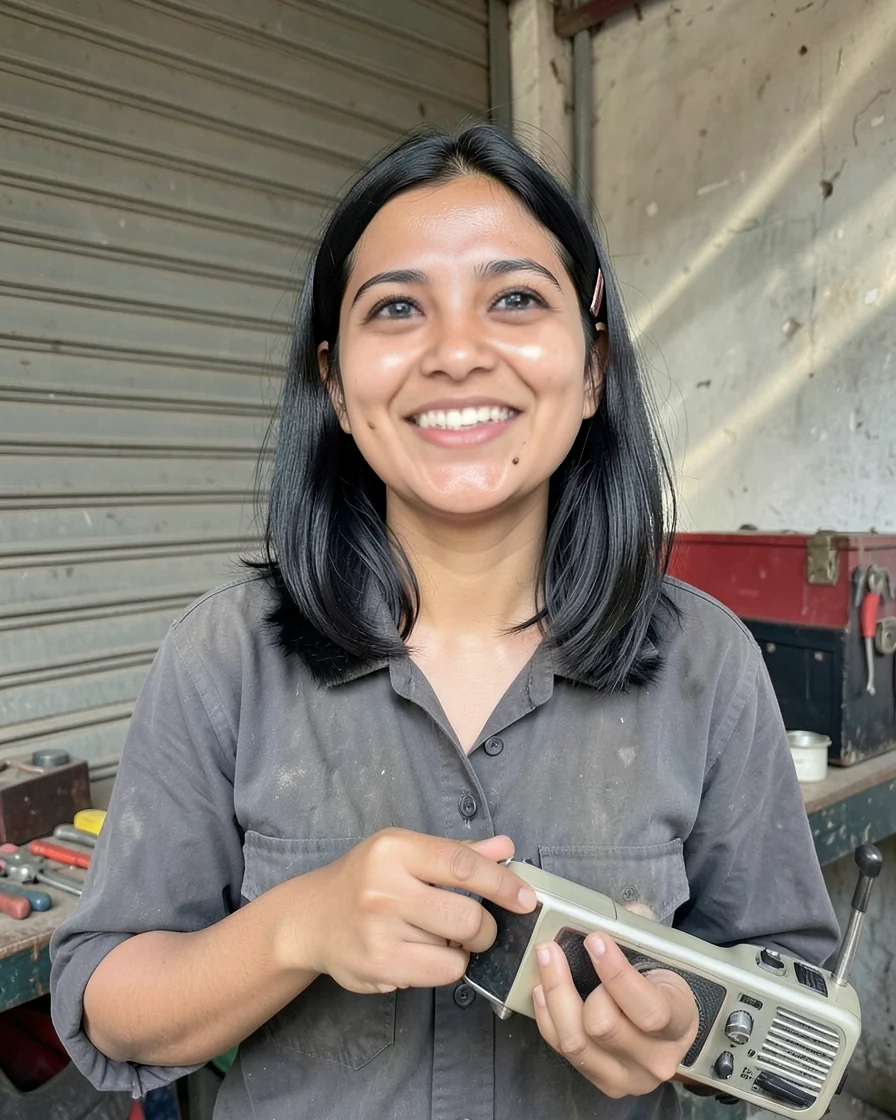
My charcoal work clothes hold the smell of steam, sizing, and machine oil. Some days there is a pale mark at the knee where I kneel to align a hem. I wash the cloth at home, but the mark fades slowly, keeping the factory hours visible even when I am making my mother’s dress fit properly again.
Work, Weather, Ripening
The first red chili ripened on a humid Thursday. I picked it too early because I wanted proof that the plant had done more than survive. It burned my fingers through the thin skin of my thumb, and my mother laughed when I showed her the small red pod as if it were a piece of jewelry.
We sliced it into the dal at dinner. Its burn was modest but clean. The roadside milk tea and fried bean cakes that usually carry me through a factory rush had no heat at all, only tea, salt, and the warmth of fresh oil. I kept the seeds in a paper cup on the balcony, labeling them with the date and the pot number, as though they were pattern revisions.
A storm passed over Dhaka that night and left the railing shining. I brought the notebook outside and wrote down the factory corrections beside notes about drainage and shade. The pages began to resemble my future studio: one side measured in millimeters, the other in weather, with red tea cooling between them.
By morning, two more pods had darkened. I harvested them carefully and left the plant intact. There will be more, though not enough to preserve or sell; the balcony is not a farm, only a place where waiting can be seen. In that sense, it is closer to pattern making than to gardening.
I returned to the factory with clean hands and a cloth swatch in my pocket. The red cotton from the market sits against the black lining I was cutting, and the color holds in daylight. I trimmed the seam, checked the curve, and thought that some decisions become clearer only after a little heat and rain.
I am learning to wait so the same cut will not need repeating.
中文译文
我的阳台只放得下三只花盆、一个钢碗和一把窄到能摊开纸样的椅子。达卡的午后热气贴在墙上,辣椒秧于是都朝敞着的窗子倾斜。上班前我浇水,回家通常已是天黑,再看一遍土。
第一批苗是楼下摊贩给我的,他说结出的辣椒会小而辣。我没料到它们长得这么快。叶子挤满栏杆,在晾衣绳前围出一片深绿的影子;我坐在餐桌边改衣服,听着街上的动静。
一套小天气系统
每天傍晚我手工泡红茶,总比需要的时间多焖一会儿。茶叶在钢碗里舒展,阳台收着白天的尘土和柴油味。蚊子来之前我把杯子端进屋,却仍把茶壶放在门边,仿佛那气味属于整间屋子。
一个不忙的晚上,我用电脑看一部旧宝莱坞电影,把声音调得很低。镜头给纱丽一种平铺图画做不到的动态:腰间的线、宽松的边、肩头转进光里的那一瞬。我按下暂停,把褶皱画下来,没有写演员的名字。
回到厂里,这些形状会被换成数字。我把领口挪三毫米,缩短衬里,再检查袖子在转身时会不会勾住。这份工作没有电影那么盛大,却同样需要耐心:布料要说服,不能强按。
好线条要给身体留出活动的余地。
我的深灰工装沾着蒸汽、上浆和机油的味道。有些日子,跪着对齐下摆时,膝上会留下浅印。我在家洗净它,那道印子却褪得很慢;即使正在给妈妈改裙子,工厂的工时也仍留在衣料上。
工作、天气与成熟
第一颗红辣椒是在潮湿的星期四成熟的。我太想证明这株植物不只活下来了,便摘得太早。它透过拇指薄皮灼了一下手指;我把那根小小的红果举给妈妈看,像献出一件首饰,她笑了。
晚饭时,我们把它切进豆汤里。它的辣味温和却干净。赶工时替我撑住身体的路边奶茶和炸豆饼完全没有辣味,只有茶香、盐味和热油的温度。我把种子留在阳台上的纸杯里,标上日期和花盆编号,仿佛它们是纸样修正记录。
那晚一场雨掠过达卡,栏杆洗得发亮。我把笔记本带到外面,在厂里的修正旁写下排水和遮阴。纸页慢慢像极了我未来的工作室:一面用毫米计算,另一面记天气,中间还有一杯渐渐凉掉的红茶。
天亮时,又有两颗果实转深。我小心摘下,没有动整株苗。后面还会结,却不够保存或出售;阳台不是农场,只是能让等待被看见的地方。就这一点而言,它更接近打版,而不是种菜。
回厂时我手上干净,口袋里装着一块布样。市场上的红棉布贴在我正在裁的黑衬里上,日光下颜色稳住了。我修掉缝份,检查弧度,忽然觉得有些决定要经过一点热和雨,才会慢慢清楚。
我正在学着等待,让同一刀不必重来。