Essay
The First Cut
第一刀
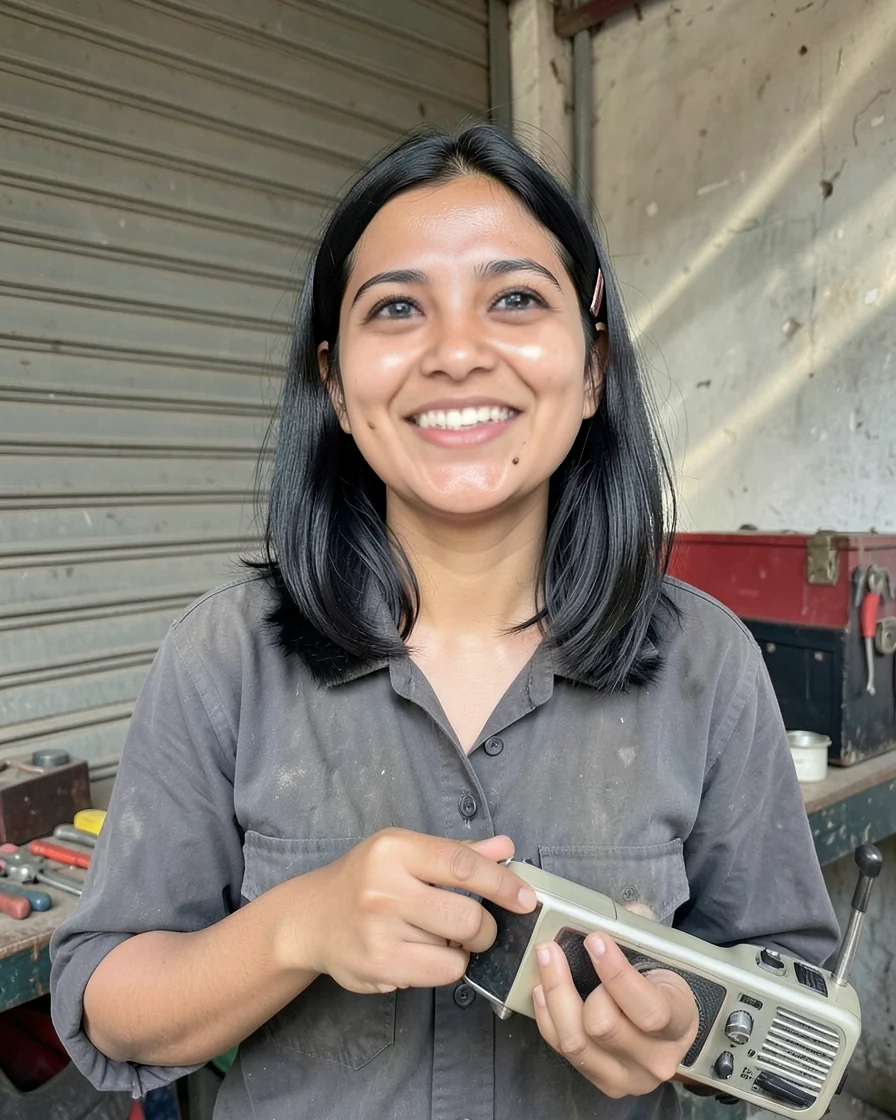
At twenty-six, I know a Dhaka garment factory before sunrise. In Bangladesh, daylight reaches the corrugated roof early, but the workroom stays dim under fluorescent tubes. By six-thirty, the pattern table is open, the fan is pushing warm air across my papers, and my hands are chalky from yesterday’s cutting. I move between the cutting software and the sample room, checking whether the screen can
During a large production run, the calendar loses its weekends. For two weeks I leave when the street lamps come on and arrive before the buses thin out. A glass of roadside milk tea and one hot fried bean cake keep me upright; I eat them beside the gate, always watching the time on my phone.
Before the Fabric Moves
Before the cloth is spread, I pin the pattern to the fabric and check the grain twice. Then comes the first cut, the moment my signature actually means something. A clean opening lets the panels lie flat; a careless snip shifts the shoulder, and no amount of careful sewing will make that error disappear.
In the sample room, I pin a sleeve that still refuses the arm. The seam allowance is correct, the measurements are correct, and yet the fabric pulls toward the front. I mark the correction on paper first, then repeat it on the screen. This order is ordinary until it is not, and then everyone depends on one small piece of cardboard.
The paper does not forgive a rushed shoulder.
I get home after the second tea break and find my mother waiting with a dress whose waist no longer fits. I change the pins, redraw the side seam, and feed the cloth through the machine while she insists the repair will take five minutes. It takes longer. The work is gentler here, but it asks for the same attention.
What the Rush Leaves Behind
Back at the factory, scraps from rejected layouts cover my table. I use the narrow offcuts to test sleeve curves and zipper turns, saving paper and fabric for days when the order sheet becomes absurd. My coworkers joke that I speak to the rulers; I do, quietly, because measurements argue less than people do.
At midnight, the road outside is loud with buses and kitchen smoke. I wash chalk from my fingers and copy the corrected pattern into a paper notebook before sleep takes me. The notebook is not a diary; it is a second cutting table, where I can keep the mistakes that the factory will never need to see again.
If the first cut is wrong, every later seam carries the error.
The next morning, the corrected shoulder sits straight on the sample. Nobody applauds a pattern that behaves, which is exactly why I like the work. I remove the temporary stitching, flatten the seam, and check the curve against the light. What looks simple from the corridor has already been argued over in millimeters.
Two weeks end with a larger bundle than usual and one evening I can call my own. I walk home past shuttered stalls and open tea carts, carrying the smell of cardamom in my clothes. The street feels wider when there is no deadline waiting on the factory screen.
I still do not know whether I will stay in the factory or build a small room of my own nearby. For now, I know the weight of the shears, the number of millimeters a seam can betray, and the relief of a cut that does not need to be repeated. The table is clear. Tomorrow the cloth will come again.
中文译文
我二十六岁,在天亮前就熟悉达卡一家成衣厂的样子。孟加拉国的日光很早就照上铁皮屋顶,样衣间却仍困在荧光灯下。差一刻六点半,打版桌已经摊开,风扇把温热的风推过图纸,我手上还留着昨天裁布的粉笔灰。我在打版软件和样衣间之间来回,确认屏幕能否扛住噪声、闷热,以及突然压下来的大货单。
大货赶工时,日历上的周末会像被剪掉一样。连续两周,我总是等街灯亮了才离厂,又赶在公车尚未变少前到厂。一杯路边奶茶和一块热炸豆饼替我撑住自己;我总在厂门口吃完,一边看手机上的时间。
在布料铺开之前
布还没铺开,我先用针把纸样固定在面料上,顺着布纹检查两遍。然后才是第一刀——签名里那句话真正落到手上的时刻。开口干净,衣片就能平贴;剪刀一歪,肩线便挪了位,后面再怎样认真缝制,也遮不住那个错误。
样衣间里,一根袖子怎么都不肯顺着手臂转。缝份没问题,尺寸也没问题,面料却偏偏往前扯。我先在纸上标出修正,再把同样的线移到屏幕上。这批货本来平平无奇,直到它不再平庸,于是所有人都压在一小块纸板上。
纸样不会原谅赶出来的肩线。
第二杯茶歇后回家,妈妈正拿着一件腰围已经不合身的裙子等我。我换珠针,重画侧缝,再把布送进缝纫机,她却坚持说这种修改五分钟就能做完。结果更久。这里手上的活轻一些,要求的专注却一样。
赶工留下的东西
回到厂里,废排料盖住半张打版桌。我拿裁剩的窄布试袖窿和拉链转向,省下纸和布,留给订单表变得荒唐的日子。同事笑我像在同尺规讲话;我确实会,不过尺规比人少争辩。
午夜,厂外仍有公交和厨房油烟的声音。我洗掉指缝里的粉笔灰,在困意袭来前,把改好的纸样抄进纸质笔记本。那不是日记,而是第二张裁床,专门收留工厂永远不愿再看见的错误。
如果第一刀偏了,之后每一道缝都会带着它。
第二天早上,修正后的肩线在样衣上笔直站住。纸样安分工作时没人鼓掌,这正是我喜欢这行的原因。我拆掉临时线迹,抚平缝份,举到光下看弧度。从走廊看很简单的一切,已经在毫米之间争过一轮。
两周终于结束,工钱比平常厚了一叠,也还给我一个可以自行安排的晚上。我从拉下卷帘的摊位和还亮着的茶车旁走回家,衣服上混着豆蔻味。没有截止时间等着屏幕时,这条街会显得宽一些。
我仍不知道以后会留在厂里,还是在附近开一间自己的小工作室。眼下我只知道剪刀的分量、一道缝能暴露多少毫米,也知道一刀落准、不必重裁时的那点轻松。桌面已经清空,明天布料还会再来。