Essay
The Question I Could Not Answer
那个我答不上来的问题
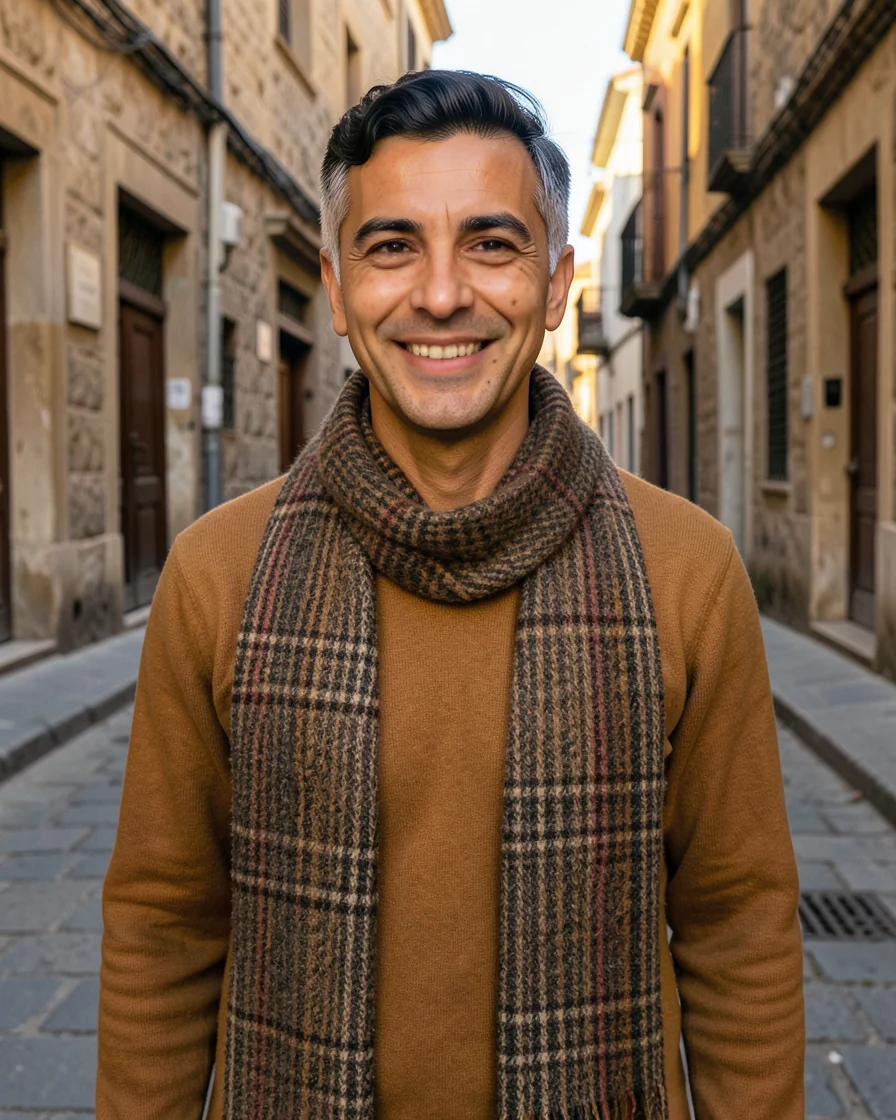
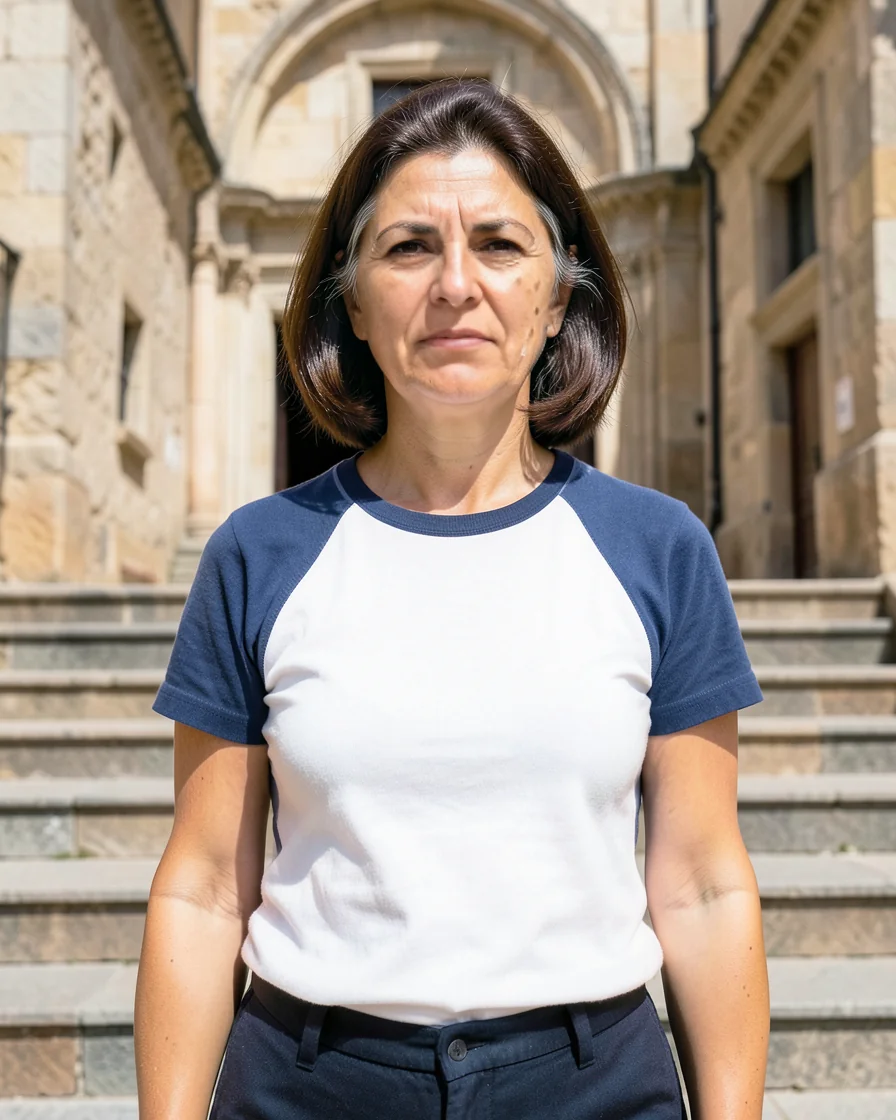
The classroom is cold in January and the heater makes a noise like a man clearing his throat. I wear the ochre sweater on those days, because it is thick and because the students say it makes me look like the wall. We were on treaties. I had drawn a border and moved it twice, which is the whole of the lesson, really.
A boy in the second row — Yassine, who rarely speaks — raised his hand and said that his father's old book gives a different year for the same agreement. Not a different month. Eleven years. He read the two dates aloud, one from the textbook, one from his notebook, and waited.
I Said I Did Not Know
I could have smoothed it over. Eleven years is a small thing, and there are ways of speaking that make a discrepancy sound like a technicality. Instead I said, in front of thirty-one students, that I did not know, and that I would find out. Then I wrote both dates on the board, side by side, and left them there.
They looked at the board more than they looked at me. That is not a comfortable feeling for a man who likes to talk. But I have noticed that a question left standing in chalk does more work than an answer spoken quickly, and I have been teaching long enough to trust the difference.
That weekend I went to the municipal library, which is cold in another way, and then to an older colleague who has been correcting the same textbooks for thirty years. He laughed at me. Then he pulled a folder out of a drawer, and we spent two hours with it, and by the end I had the shape of the thing.
Not knowing is not a hole in the lesson. It is the part of the lesson that has a door in it.
The answer, when it came, was not dramatic. The two dates were counted from different moments — one from the signing, one from when the thing was finally ratified in a room three hundred kilometres away. Both books were right. Neither was complete. On Monday I wrote that on the board in my smallest handwriting.
Yassine had got there first. He had asked his father, who had asked a man at the port who keeps old papers. He told the class this in four sentences and sat down as if nothing had happened. I handed him the chalk, which is the closest thing to an honour I have in my possession.
Why I Leave the Gaps
Since then I have stopped filling every silence. Now and then I leave a date off the board, not out of laziness but because a gap in a lesson is a place where a student can stand. Sixteen years in, this is the only new method I have.
I still talk too long. The five extra minutes have not gone anywhere. But a boy who once said eleven words in a term now brings me questions he found in his father's books, and I have learned to carry them home with me.
中文译文
一月的教室很冷,取暖器响得像有人在清嗓子。这种天我穿那件赭黄色毛衣,因为厚,也因为学生说穿上它我像一面墙。那天讲的是条约。我在黑板上画了一条边界,又把它挪了两次——说实话,整节课就是这件事。
第二排的男孩——亚辛,平时很少开口——举手说,他父亲的一本旧书里,同一份协定写的是另一个年份。不是月份不同,是整整差了十一年。他把两个日期念出来,一个来自课本,一个来自他的笔记本,然后等着。
我说我不知道
我本可以把话圆过去。十一年而已,说话的技巧多得是,能让一处矛盾听起来只像个技术细节。但我没有。我当着三十一个学生的面说我不知道,说我会去查。然后我把两个年份并排写在黑板上,就那样留着。
那节课他们看黑板的时间比看我的时间长。对一个爱讲话的人来说,这滋味不太好受。可我慢慢发现,一个用粉笔立在那儿的问题,比一个脱口而出的答案更管用;教得久了,我信这个差别。
周末我去了市立图书馆,那儿的冷是另一种冷;又去找了一位老同事,他改了三十年同一套课本。他先笑我,然后从抽屉里抽出一个文件夹,我们对着它坐了两个小时,到末了才摸清事情的大致轮廓。
「不知道」不是课上漏掉的一块,而是课上留着门的那一块。
答案并不戏剧化。两个日期是从不同的时刻算起的:一个从签字那天算,一个从三百公里外那间屋子里最终批准的那天算。两本书都没错,也都不完整。周一我把这句话写在黑板上,字写得比平时都小。
亚辛比我先找到。他问了他父亲,他父亲又问了港口一位存着旧文件的人。他用四句话讲给全班听,然后坐下,像什么都没发生。我把粉笔递给他——这是我手里最接近奖赏的东西。
为什么我留着那些空白
从那以后,我不再把每一段沉默都填满。偶尔我故意漏掉一个年份,不是因为懒,而是因为课上的空白是一个学生可以站进去的地方。教了十六年,这大概是我唯一的新方法。
我还是讲得太久。那多出来的五分钟哪儿也没去。不过,一个曾经一学期只说十一个词的男孩,如今会把他父亲旧书里翻到的问题带来给我,而我也学会了把它们带回家。