Essay
Choosing Color Beside the Market
在市集旁挑颜色
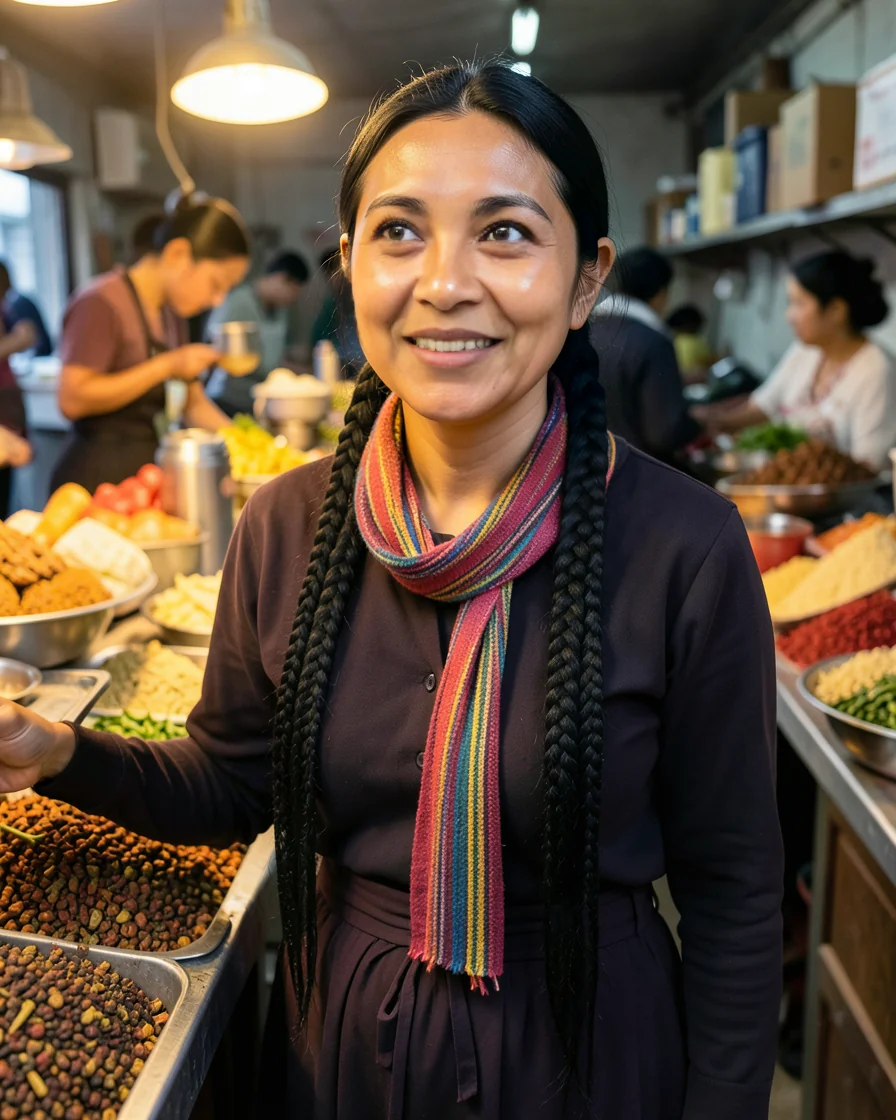
At opening, the space in front of my shop becomes part of the market. A woman may arrive carrying a folded shawl and still spend twenty minutes comparing a strip of turquoise with one woven in brick red. I bring out the cloth slowly, keeping it in the shade until she is ready to see it in full sun. Color changes when the wind lifts it.
No One Else's Choice
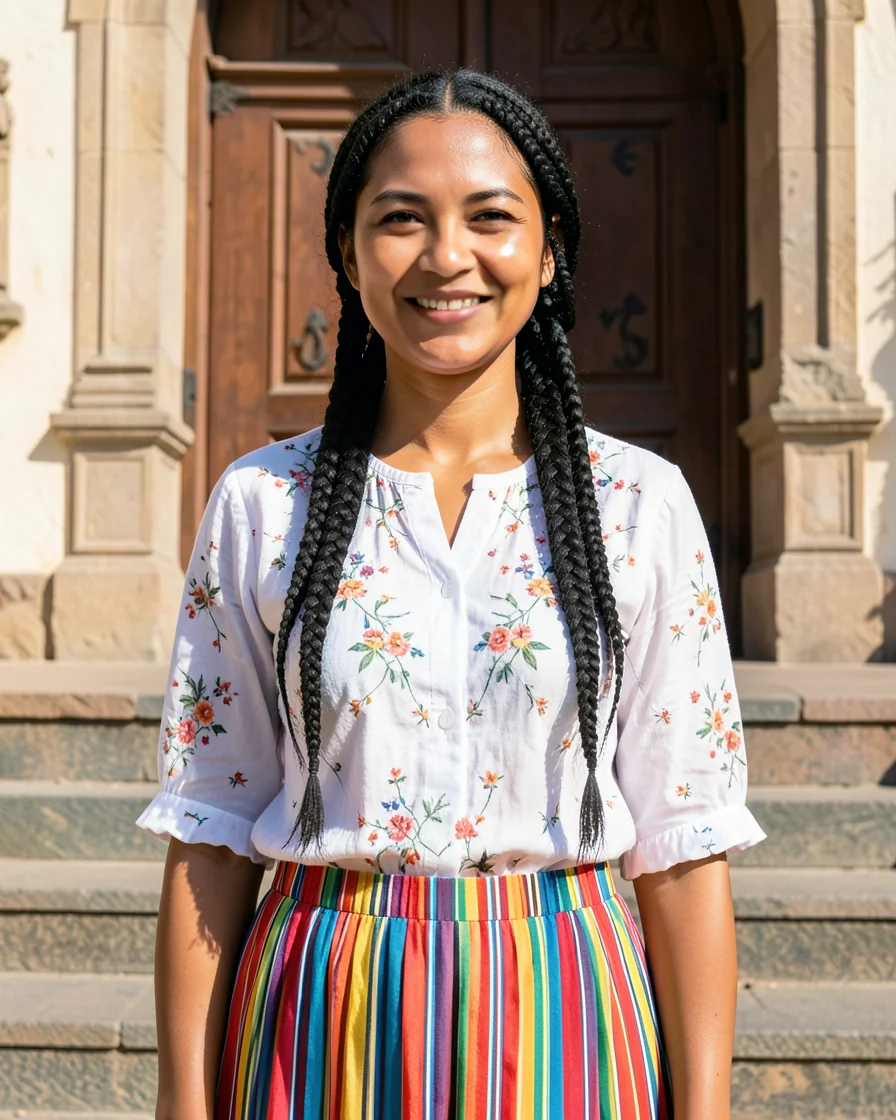
Usually, the customer chooses first. I ask what she already wears on market days, what color she dislikes, and whether the garment must work over a blue blouse or a black one. The answers narrow the field without deciding it. My role is to understand the color; the wearer must want it when she looks in the mirror.
The best color is the one she reaches for twice.
I keep dyed lengths in wooden drawers, ordered loosely by hue rather than shade. Ochre lies beside rust, indigo beside violet, and a yellow so bright it makes the white wall look tired. Each roll came from a different batch, so even two pieces called red rarely match exactly. I explain this before anyone asks for perfect symmetry.
A Shawl at the Door
For a new shawl, I begin with the body, not the border. The fabric needs enough weight to stay around the shoulders without pulling when the wearer carries a heavy bag. I cut it longer on one side, check the fringe, and let the customer wrap it in several ways. Some prefer it crossed at the chest; others want it loose.
Then we test the color against the skirt she brought. A brick-red border can become loud beside orange, while the same border settles quietly near a deep blue skirt. I pin temporary basting stitches and step back. The market doorway is useful for this: people walk past, and the moving daylight shows what a mirror cannot.
One afternoon I made a narrow scarf in vivid orange for a dancer who joins evening processions through the steep streets of La Paz. She needed something visible from a distance but light enough for the climb. We shortened the fringe, softened the edge, and placed a hidden repair loop near one corner. Bright color could remain practical.
A vivid scarf should survive the hill, not only the photograph.
Not every order becomes an exact repeat. A neighbor returns with a child's blouse and asks for the same orange used on her shawl. The quantities are small, but matching dye lots takes time. I keep the sample in a paper envelope with the date and the name of the shade, then compare it under the clearest morning light.
By closing, my fingers carry traces of blue dye and black thread. I wash them with cold water before eating, because color that looks permanent rarely is. On the table, offcuts form short bands of yellow, red, and green. I trim them now, while their colors are still easy to sort.
Some customers ask whether the brightest cloth is also the easiest to maintain. I tell them plainly: dark reds show dust, pale yellow shows every handprint, and deep blue can fade where the sun touches it. Care instructions begin at the cutting table, not in a small label sewn inside after the work is finished.
I used to think a good shop needed a fixed palette. Working beside the market taught me otherwise. Color is personal, but it also belongs to weather, light, neighboring clothes, and the route home. My task is to make enough room for that decision, then cut the cloth so the wearer can live with it.
中文译文
开门后,我铺子门前的地方便成了市集的一部分。有人来时带着一条叠好的披肩,仍会花上二十分钟,把 turquoise 色的布和砖红色的织带来回比较。我慢慢把布取出来,先藏在阴凉处,等她准备好,才让阳光完整地照上去。风一吹,颜色的样子也会变。
颜色由她自己选
通常由顾客先选。我会问她赶集时常穿什么颜色、不喜欢哪一类色块,以及新衣要搭在蓝上衣还是黑上衣外面。答案只会把范围缩小,并不能替她决定。我的工作是理解颜色;穿衣的人照镜子时,也必须真心想要它。
最好的颜色,是她第二次仍会伸手去拿的那一种。
染好的布按颜色大致分类,放进木抽屉里。赭黄挨着铁锈红,靛蓝靠着紫色,还有一块亮得让白墙都显疲惫的黄。每一卷都来自不同批次,所以即使都叫红色,也很少能完全一样。有人要求绝对对称之前,我通常会先把这件事说清楚。
把披肩拿到门外试
做新披肩时,我先处理主体,不急着配边。布要有足够的分量,能伏在肩上,又不能因为顾客提着重 bag 就往下扯。我把其中一边裁得略长,检查流苏,再让顾客用几种方式围起来。有人喜欢在胸前交叉,有人则要让披肩松松垂下。
接着,我们把她带来的裙子放在旁边试色。砖红边饰挨着橙色会显得吵闹,放在深蓝裙子旁却安静下来。我用临时针脚固定,退后几步观察。店门口正适合做这件事:行人经过,流动的日光会照出镜子里看不见的变化。
有一天下午,我为一位舞者做了一条鲜橙色的窄围巾。她晚上会参加拉巴斯陡街上的游行,既希望远处能看见,又不能让围巾太沉。我们缩短流苏,软化边缘,还在角落缝了一个隐藏的修补环。鲜亮的颜色也可以很实用。
鲜亮的围巾首先得经得住山坡,而不只是经得住拍照。
并非每一单都能准确重复。一位邻居拿着孩子的上衣回来,希望用和她披肩相同的橙色。数量不大,要配到相同的染布批次却很费时间。我把布样装进纸袋,写上日期和色名,等阳光最清楚的早晨再拿出来对照。
快打烊时,我的手指还留着蓝色染料和黑线的痕迹。吃饭前先用冷水洗净,因为看着 permanent 的颜色通常并不 lasting。桌上的边角布排成黄色、红色和绿色的短条。我趁它们还容易分辨时逐一修齐。
有些顾客会问,最亮的布是不是也最好打理。我会直接回答:深红容易显灰,浅黄会留下每个手印,深蓝碰到阳光的地方则可能褪色。保养的方法要从裁剪时就想清楚,而不是等衣服全部做好,再缝上一小段说明。
我过去以为一间好铺子需要固定色盘。在市集旁边工作以后,我才明白并非如此。颜色属于个人,也属于天气、光线、邻居穿的衣服和回家的路。我要做的,是给这个选择留下足够的空间,再把布裁成能陪她日常生活的形状。