Essay
The Edit I Finished After Midnight
我在午夜后完成的剪辑
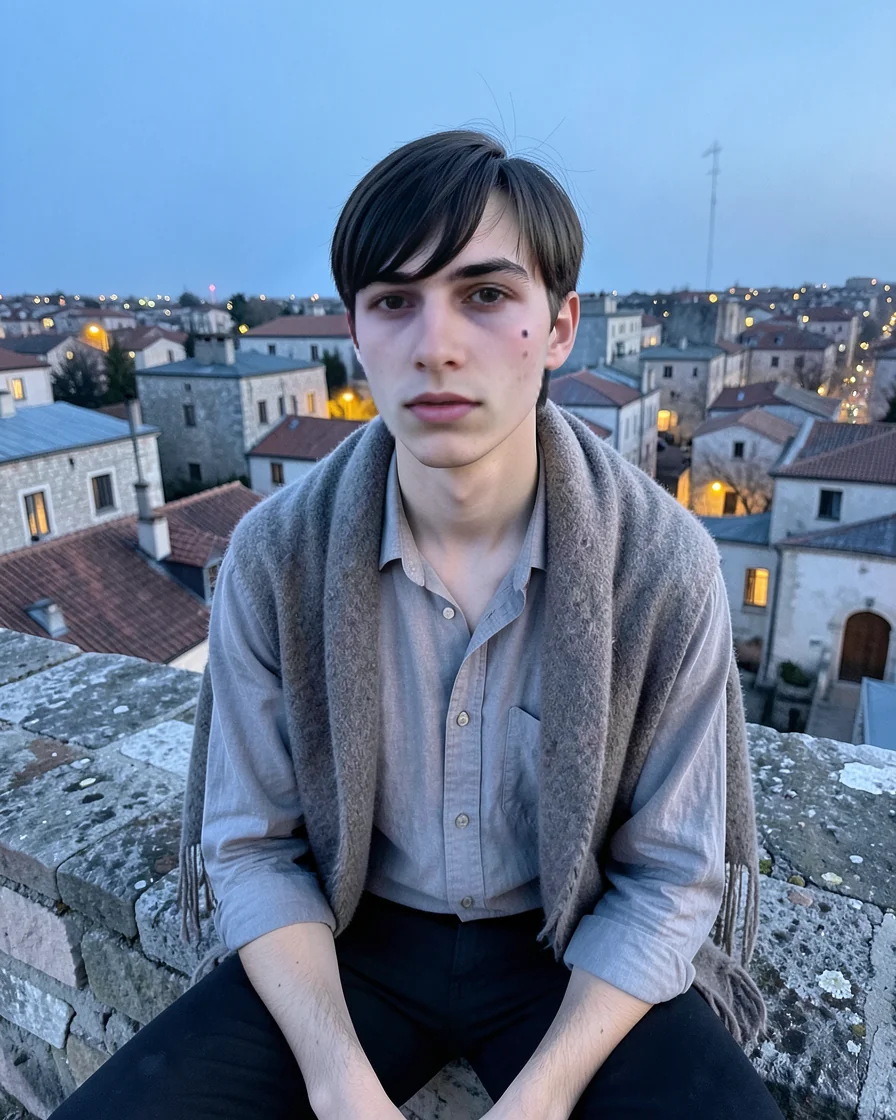
I finished the edit at 1:43 in the morning, with my laptop balanced on the corner of my desk and the camera beside it. The photograph was from the old quarter: a lit doorway, wet stone, and the lower half of someone passing outside the light. I had tried three crops, but each one separated the figure too neatly from the street. I widened the frame again. My fingers were tired, and I was more inter
The city after the file closes
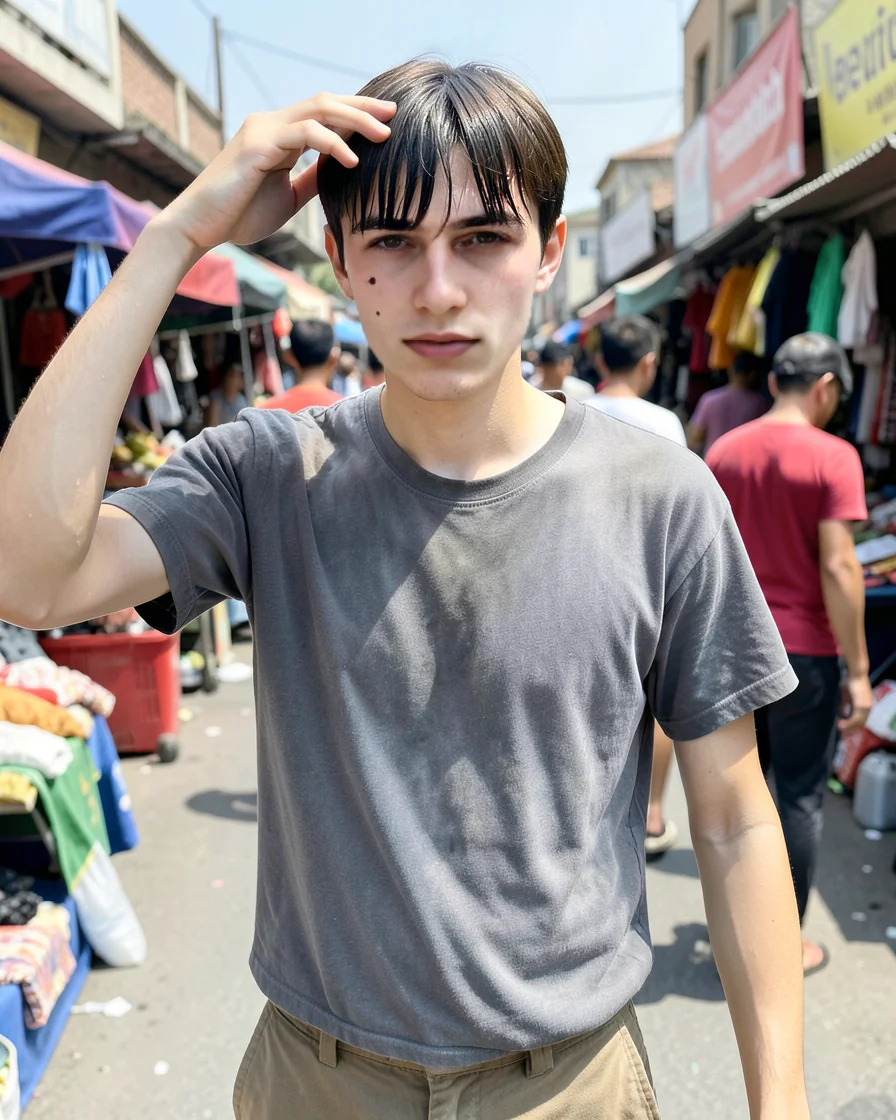
When I saved the final version and closed the file, the room became quiet enough to hear the building's pipes. Sarajevo at that hour was not empty. A delivery rider passed below, a restaurant worker pulled chairs inward, and a taxi turned without stopping. I put on the faded gray T-shirt, tightened the camera strap, and went downstairs with no subject selected. The night edit had taught me what th
Without a shot list, I wandered through streets that looked ordinary by daylight. I photographed signs at oblique angles, a broom leaning against a step, and reflections broken by uneven paving. I also talked. Not to anyone, exactly, but to the images and to myself, naming each small decision as if a friend were walking beside me. This is what late nights do to a talkative person: silence becomes
At night, the city edits its own noise.
By two in the morning, the streets had thinned to a few practical movements. A man carried a sack into a doorway; two windows remained lit above the old roofs. I made a small photograph of yellow light crossing the stone and nothing else. It was the plainest frame of the night. Without the earlier doorway and passing figure, it could have belonged to any quiet street. That was useful. It asked me
Returning upstairs, I noticed how much of the day had been arranged around light rather than sleep. In the morning I copied lecture notes, answered questions, and tried not to miss the beginning of class. At night I sorted photographs, then walked the city again. My camera bag and coursebooks had started sharing the same shelf. The arrangement looked careless, but it was also the most honest sched
What survives the morning
The next afternoon, the screen looked less forgiving. The colors had flattened, and the passing figure in the doorway had become a smear at the edge. I was tempted to restore what the original night had suggested. Instead, I kept the blur and darkened the foreground. The result was not better in the technical sense. It was better in the sense that it matched what I remember without turning memory
Sleep is also part of the camera bag.
After dawn on the following day, I accepted a request for graduation portraits in the old quarter. The client wanted one formal frame and one candid one, which made my recent work unexpectedly useful. I marked a meeting place on a paper map, packed the camera, and left the edited image open on my laptop. At twenty-two, I still divide my time badly between classes and paid work. The difference is t
中文译文
凌晨一点四十三分,我终于完成剪辑。笔记本斜放在书桌一角,相机就在旁边。照片拍自老城区:一扇亮着灯的门,被雨打湿的石板,以及从门外经过的人的下半身。我试过三种裁切,每次都把那个人从街道里切得太干净。我又把画面放宽。手指已经发酸,而我更想保留那份意外,而不是急着修正它。
文件关闭后的城市
保存最终版本、关掉文件后,房间安静得能听见楼里的管道。凌晨的萨拉热窝并非无人。楼下有送货的人经过,餐馆员工把椅子往里收,一辆出租车转过街角,没有停下。我套上褪色的灰T恤,勒紧相机背带,没选任何拍摄对象便下了楼。深夜的剪辑让我发现画面究竟缺了什么,于是我决定不带清单去找它。
没有拍摄清单,我穿过白天看起来平平无奇的街道。我拍斜着挂起的招牌、靠在台阶上的扫帚,还有被不平石板切碎的反光。我也在说话。不是真正对谁说,而是对着照片和自己,逐一说明每个细小的决定,仿佛有朋友正走在旁边。熬夜对一个话多的人就是这样:沉默成了任务,每个物件都要解释自己为何该留在画面里。
到了夜里,城市会替自己删掉噪声。
凌晨两点,街上只剩下几件实用的移动。一个男人把麻袋搬进门,老屋顶上还有两扇窗亮着。我只拍了一张黄色灯光越过石板的照片,再没加入别的东西。那是当晚最平凡的一帧。如果不联系先前那扇门和经过的人,它可以属于任何安静的街道。但这恰恰有用,它要求我观察城市,而不是装饰城市。
回到楼上,我才发现这一天大半时间都在围着光打转,而不是围着睡眠。早上我抄讲义笔记、回答问题,努力不漏掉课程开头;晚上整理照片,再一次走进城市。相机包和课本渐渐共用同一层架子。看起来有些乱,却也是我这周安排得最诚实的一份时间表。
留到早晨的东西
第二天下午,屏幕显得不再那么宽容。颜色变平了,门口经过的人也在画面边缘化成一道模糊。我本想恢复那个夜晚暗示出的形状,最后却保留了虚影,并压暗前景。结果在技术意义上并不更好,只是更接近我的记忆,没有把记忆伪装成证据。
睡眠也是相机包的一部分。
再过一天,天亮后我接下了一份老城区毕业照委托。客户要一张正式的照片,也想要一张自然的,这让我最近的工作意外地派上了用场。我在纸质地图上标出见面地点,装好相机,把修过的照片留在笔记本电脑里。二十二岁,我仍然把上课和带薪工作的时间分得很坏。区别在于,我不再假装其中任何一件事会耐心等候另一件。