Essay
Waiting for a Beam on Stone
等待石板上的一束光
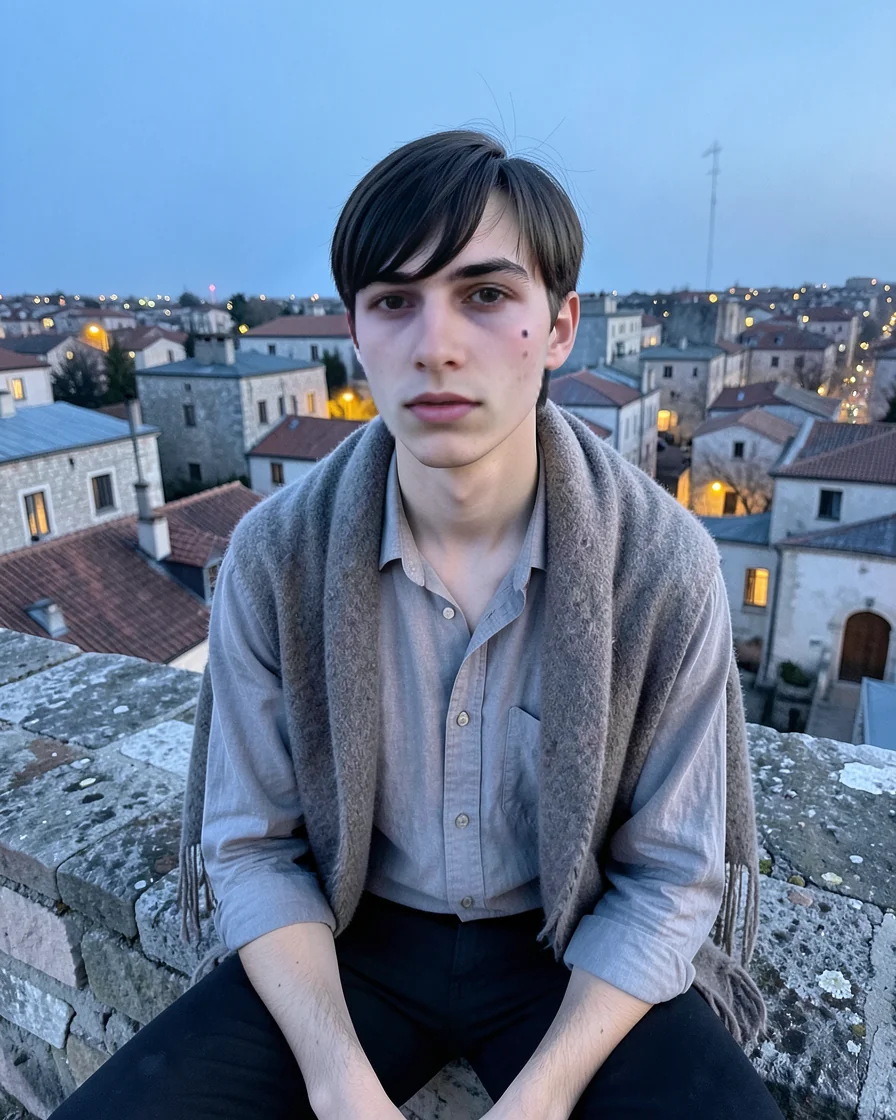
On Thursday, I carried my camera through Sarajevo's old quarter and found a place opposite a stretch of pale stone. I had come for one thing: the narrow beam that drops between the roofs in the late afternoon. Students from my classes had asked why I would spend hours near a wall while the streets were full of people. I had no convincing answer. The light arrives according to the buildings, not my
The light has a timetable
For the first two hours, I watched shadows migrate from one doorway to the next. I tested the distance with my feet, changed the lens once, and ate a sandwich before the light reached the stones. The camera stayed ready. Passersby entered and left the frame: a sleeve crossing it, a head turning toward a sound, a hand balancing a paper bag. I lowered the camera each time. A composition is not an ex
The waiting is where my habit of talking becomes useful, though only to myself. I narrated shutter speeds, window angles, and the exact second a shadow would clear the pavement. It kept the restlessness at a manageable volume. When two students passed and one asked what I was photographing, I gave an answer far too long for the question. He listened anyway, then pointed to the far end of the stree
Most streets are quiet before you decide to photograph them.
At four, the beam reached the stone and narrowed to a bright, uneven strip. A woman carrying a folder crossed it, and I took one frame before she reached the shade. The picture was not spectacular: her step was interrupted, the wall behind her held patches of old plaster, and half the light fell on a drainpipe. Yet the photograph contained the street more fully than the empty setup I had waited fo
After the beam
I reviewed the image on the camera before making a second attempt. I kept the distance and did not follow her. A street photograph has to remain modest about its subject; curiosity is not permission to turn a stranger into a sequence. I made one more frame of the empty pavement after she had passed, then saved both. The second was precise but bloodless. The first had a body moving through it and t
Later I climbed to a rooftop accessible from a public stairwell and looked down over the roofs. From there, the old streets resembled a collection of plans, and the beam I had been waiting for became a bright seam. I made several broad photographs of the quarter, but the narrow image on the pavement remained the one I wanted. A wide view explains a place; a single crossing can make someone feel br
Waiting is only empty when the light refuses to arrive.
I returned the next morning, hoping the stone would hold another fragment of the same light. It did not; the weather had flattened the beam into a grey sheen. I waited for twenty minutes and left. Back in my student room, I edited the photograph while a lecture notes file remained open on the same laptop. The work was late, the notes were late, and both tasks had survived by borrowing time from th
中文译文
周四,我背着相机穿过萨拉热窝的老城区,在一段浅色石墙对面找好位置。我只为一件事而来:午后 Roofs 之间那道狭窄的光。课上的同学问我,街上明明到处都是人,为什么要在墙边等上几个小时。我给不出有说服力的理由。光服从建筑,而不是我的胃口;在它到来以前,取景框里始终只有空白。
光有自己的时刻表
最初两个小时,我看着阴影从一个门口移到下一个门口。我用脚步丈量距离,换过一次镜头,还在光落上石板前吃了一个三明治。相机始终处于待命状态。路人不断进入又离开画面:一只袖子掠过,有人听见声音后转头,一只手扶稳纸袋。每到这时我都会放下相机。构图不能成为打扰别人生活的理由。
等待时,我这爱说话的习惯倒能派上用场,尽管对象主要是我自己。我会念叨快门速度、窗户角度,以及影子离开路面的准确秒数。这让 restless 保持在可以忍受的分贝上。两个学生经过,其中一个问我在拍什么,我给出的回答比问题长得多。他居然还认真听了,然后指向街道另一头,说光已经移过去了。
大多数街道,都在你决定举起相机之前很安静。
四点,光终于落到石板上,收窄成一道明亮而不均匀的带状区域。一位拿着文件夹的女人从中经过,我赶在她走进阴影前拍下一帧。照片并不惊人:她的脚步被截断,身后的墙斑驳脱落,半数光线落在排水管上。可它比空等许久的取景更完整地容纳了这条街。有人走过,光才有了存在的理由。
光走后
我没有立刻再拍,而是先在相机上检查那张照片。我留在原地,也没有跟上去。街头摄影对被摄者应当保持克制,好奇不等于把陌生人变成一组连续画面的许可。她离开后,我又拍了一张空荡的石板路,然后把两张都保存下来。第二张精准,却缺少血色;第一张里有人穿行其间,因此拥有一种我能相信的尺度。
后来,我从一段公共楼梯登上天台,俯看屋顶。从上面看,老街像一组摊开的图纸,而我等待的那束光变成一道明亮的接缝。我拍了几张开阔的全景,却仍最喜欢石板上那张狭窄的画面。宽景可以解释一个地方,而一次穿过光里的行走,会让某个人短暂觉得自己与这个地方有关。
只有在光始终不来时,等待才算空。
第二天早上我又回去,希望石板能留住同一束光的另一小段。它没有。天气把那道光压成了灰色的薄亮。我等了二十分钟便离开。回到学生宿舍,我用同一台电脑修图,另一边还开着讲义笔记。照片和笔记都迟了,全靠从夜里借时间才勉强完成。我先保存了照片,随后才去改正笔记。