Essay
Petals Before the Rain
雨落之前的花瓣

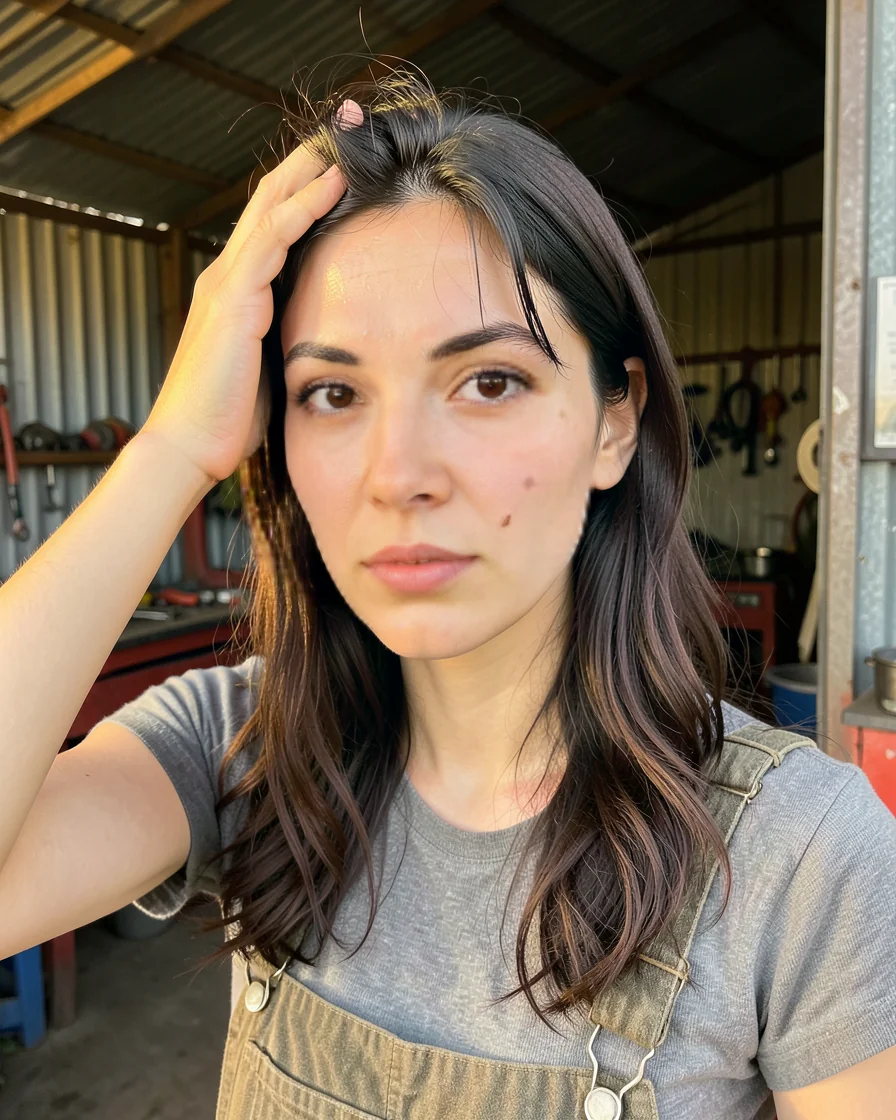
The forecast warned of rain after noon, but the first drops reached the fields while the morning light was still clean. I left the office with a paper sheet, a thermometer, and two empty sample bags. At thirty, I no longer trusted the sky alone during May; a few minutes could decide whether a crate of roses entered the still fresh or began to heat in the sun.
Along the First Rows
Wet petals are not ruined petals, but they are not equal.
I walked the first rows with the backs of my fingers against the blossoms. Some were firm and cool; others had begun to fold at the edges. A petal that gives too easily leaves a damp mark on my skin. I tested stems from different points of each crate, wrote what I felt, and kept every rejected handful separate from the load.
A Decision at the Gate
At the gate, three crates had collected enough moisture to darken at the bottom. The supervisor wanted them mixed with the rest. I placed a hand inside the top layer and explained what my fingers had found: warmer, heavier, faintly fermented. He looked at the number on my sheet, then at the sky, and agreed they should be distilled alone.
Urgency is not permission to stop looking.
The rain began as a fine stippling across the canvas. Workers moved the crates under cover while I checked the seals again. Water on the outer wood was harmless enough; water inside the slats was not. One seal had been cut too close. We replaced it, logged the damage, and lost twelve minutes that nobody needed to lose.
In the changing room, my white shirt held the green weight of crushed stems. Mira teased me for looking as if I had walked through a hedge rather than a field. I brushed soil from my knees and smelled my sleeve out of habit. The sharpest note was rain, not rose, and that was how I knew the afternoon had changed the work.
Back at the still, the separated batches made their differences plain. The sound oil remained pale and steady; the damp material yielded a harsher edge. I graded them separately, then marked the doubtful samples for a second check. Quality control was mostly this: refusing to let one urgent hour become evidence for the whole day.
May is busiest because every delay travels forward. A truck waits, a drum waits, a worker repeats the same motion until the next load arrives. At the end of the week, fatigue made familiar smells blur together. I washed my hands with soap and stood outside for a few minutes before returning to the sample table.
Near sunset, the rain lifted. The fields darkened beyond the office window, and steam clouded the upper panes of the still room. I wrote the final grades in the ledger, leaving one line blank until the second test was complete. On the drive home, the windows were open; the air smelled of wet soil and distant roses.
中文译文
预报说雨会在午后到来,可第一滴雨落到花田时,清晨的光仍然干净。我带着记录纸、温度计和两个空样品袋离开办公室。三十岁以后,五月里我不再只相信天空;短短几分钟,就可能决定一箱玫瑰是新鲜进入蒸馏器,还是先在阳光下闷热起来。
走过第一排花田
湿花瓣不等于坏花瓣,却也不再一样。
我用指背轻触第一排花朵。有些花瓣紧实而清凉,另一些的边缘已经开始折拢。碰一下便轻易让出的花瓣,会在皮肤上留下湿痕。我从每只花箱的不同位置抽取花枝,把触感写下来,并将每一把剔除的花与整箱分开。
在门口作决定
到了门口,三只花箱底部已经积了足够的水,颜色也变深了。主管想把它们混进其余批次。我把手伸进最上层,说明指尖摸到的情况:更温、更重,隐约有发酵味。他看了看记录纸上的编号,又抬头看天,同意让它们单独蒸馏。
时间紧迫,不等于可以停止观察。
雨先像细点一样敲在帆布篷上。工人们把花箱移进遮棚,我则重新检查封条。外层木头沾水还算无害,木条里面进水却不是。其中一处封条被剪得过于接近。我换了封条,登记损坏,也失去了原本谁都不该浪费的十二分钟。
在更衣室里,我的白衬衫沾着碎花枝的青涩气味。米拉笑我,看起来像是穿过树篱,而不是走完一片花田。我拍掉膝上的土,习惯性闻了闻袖口。最尖锐的不是玫瑰,而是雨;我由此知道,午后的天气已经改变了手上的工作。
回到蒸馏器旁,分开的批次让差异变得清楚。状态良好的精油依然色泽浅淡而稳定,受潮的花材则带出更粗粝的边缘。我分别分级,再把可疑样品标为待复检。质检大多就是这样:不让一个匆忙的小时,替整整一天作证。
五月最忙,是因为每一次耽搁都会向后传。货车在等,蒸馏桶在等,工人只能重复同一个动作,直到下一批原料到达。周末结束时,疲劳让熟悉的气味渐渐混在一起。我用肥皂洗净双手,在外面站了几分钟,才重新回到样品台前。
接近日落时,雨停了。办公室窗外的花田暗了下来,蒸汽遮住蒸馏车间高处窗玻璃的另一半。我在登记簿上写下最终分级,其中一行暂时空着,等第二次检测完成。开车回家时,车窗一直开着,空气里有湿土和远处玫瑰的气味。