Essay
Inside the Copper Still
铜制蒸馏器里的早晨
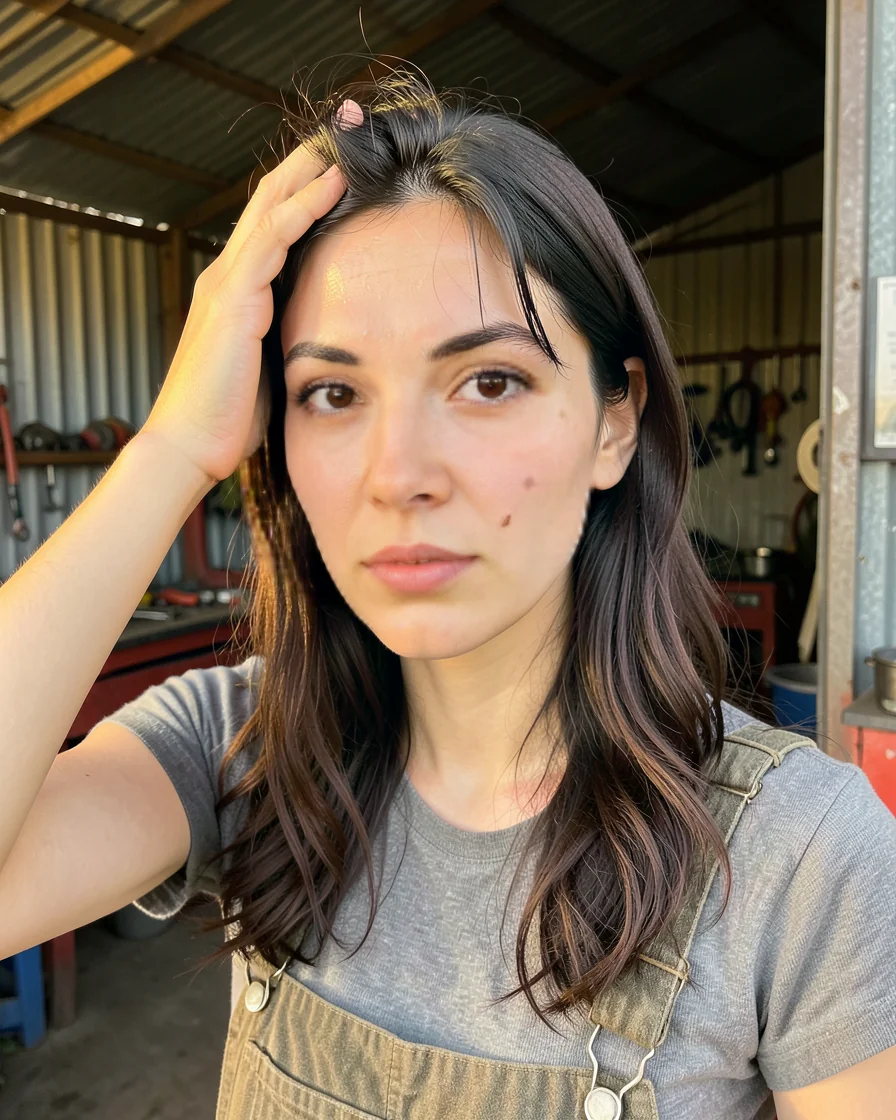
At four forty in the morning, the road out of Plovdiv was still cool. The May air carried the damp-earth smell of Bulgaria, and the van's engine settled into a low hum. By the gate, the first crates of roses waited under a pale canvas cover. I checked the seals and the dew gathered along the wooden slats before the distillation room began its long, steam-heavy day.
Before the Doors Opened
The first rule of the room was that nothing should hide behind a pleasant smell. I watched a thin column of condensate slide down the copper pipe, then leaned close enough to notice sourness beneath the sweetness. A strong rose note can conceal poor fermentation; that is why I kept my face above the glass, never directly over it.
A pleasant aroma can hide a poor fermentation.
Once the separator was steady, I labeled three glass jars from the same run. Their color moved from clear amber to a slightly cloudy gold, and their smells differed by a narrow margin. I compared them in the order the technician had drawn them, then again in reverse. Reversing the order kept my first impression from becoming a verdict.
The Last Drum
By late afternoon, the last drum stood apart from the others, darker at the edge and sharper in the throat. The difference was easy to admire and unpleasant to admit. I marked it for review instead of arguing with my first instinct. At the bench, Lena asked whether I was certain. I said no, but certain enough to send it back.
A good inspector learns to be uncertain without becoming careless.
A colleague, Mira, laughed because the rose scent had reached my collar and stayed there. She said I smelled like a cellar with curtains. I told her that after ten thousand roses, smelling like a cellar was hardly a credential. We laughed, then returned to the labels.
At home, I washed my hair twice and opened the window over the courtyard. The fragrance remained in my sleeves and under my fingernails. I checked my hands before touching my face, an old habit from handling wet material. The scent usually lasted three days; by dinner, my family no longer noticed it. I still did.
Before I locked the room, I copied the rejected drum's number into the ledger and wiped the sampling spoon. The rose field would send another load before dawn. My coat still held the warmth of the copper still, and the strongest odor I could detect was rain arriving over Plovdiv.
中文译文
凌晨四点四十分,普罗夫迪夫城外的路还很凉。五月的空气带着保加利亚泥土潮湿的气味,送货车的发动机低沉地哼着。门口的玫瑰花箱已排在浅色帆布篷下。我检查封条,也检查木条间聚起的露水,随后蒸馏车间漫长而蒸汽浓重的一天便开始了。
开门之前
车间里的第一条规矩,是任何东西都不能躲在好闻的气味后面。我看着一列细薄的冷凝水沿铜管滑下,再俯身辨认甜味底下那点酸涩。浓烈的玫瑰香可能掩盖发酵不当,所以我总把脸保持在玻璃容器上方,绝不直接凑到出口上。
宜人的香气,可能藏着发酵败坏的真相。
分液稳定后,我从同一批蒸馏物中取出三只玻璃瓶并贴好标签。颜色从清澈的琥珀色过渡到略显浑浊的金黄,气味之间的差别也很窄。我先按技术员取样的顺序比较,再倒过来重新闻一遍,以免第一印象直接变成最终结论。
最后一桶
到了下午,最后一桶被单独放在一边,边缘颜色更深,香气在喉间也更尖。差异很容易让人欣赏,却很难让人愿意承认。我没有和第一直觉争辩,只做了复检标记。工作台旁,莱娜问我是否确定。我说不确定,但确定到足以把它退回去。
好的检验员懂得保持不确定,却不会因此变得粗疏。
同事米拉笑我,因为玫瑰香已经浸到衣领上,怎么也散不掉。她说我闻起来像一间挂着帘子的地窖。我告诉她,闻过一万朵玫瑰以后,像地窖根本算不上资历。我们笑完,又低头核对标签。
回家后,我洗了两次头发,打开 courtyard 上方的窗户。香气仍留在袖口和指甲缝里。碰脸之前,我会先检查双手,这是接触湿花材后养成的习惯。香味通常会持续三天;到了晚饭时分,家里人已经闻不见了,只有我还在意。
锁门以前,我把被退回那一桶的编号抄进登记簿,擦净取样勺。天亮之前,花田还会送来新的一批。我的外套仍留着铜制蒸馏器的温度,而此刻我闻得最清楚的气味,是雨正落在普罗夫迪夫上。