Essay
Grading Rose Oil at the Copper Stills
铜锅旁的玫瑰油分级
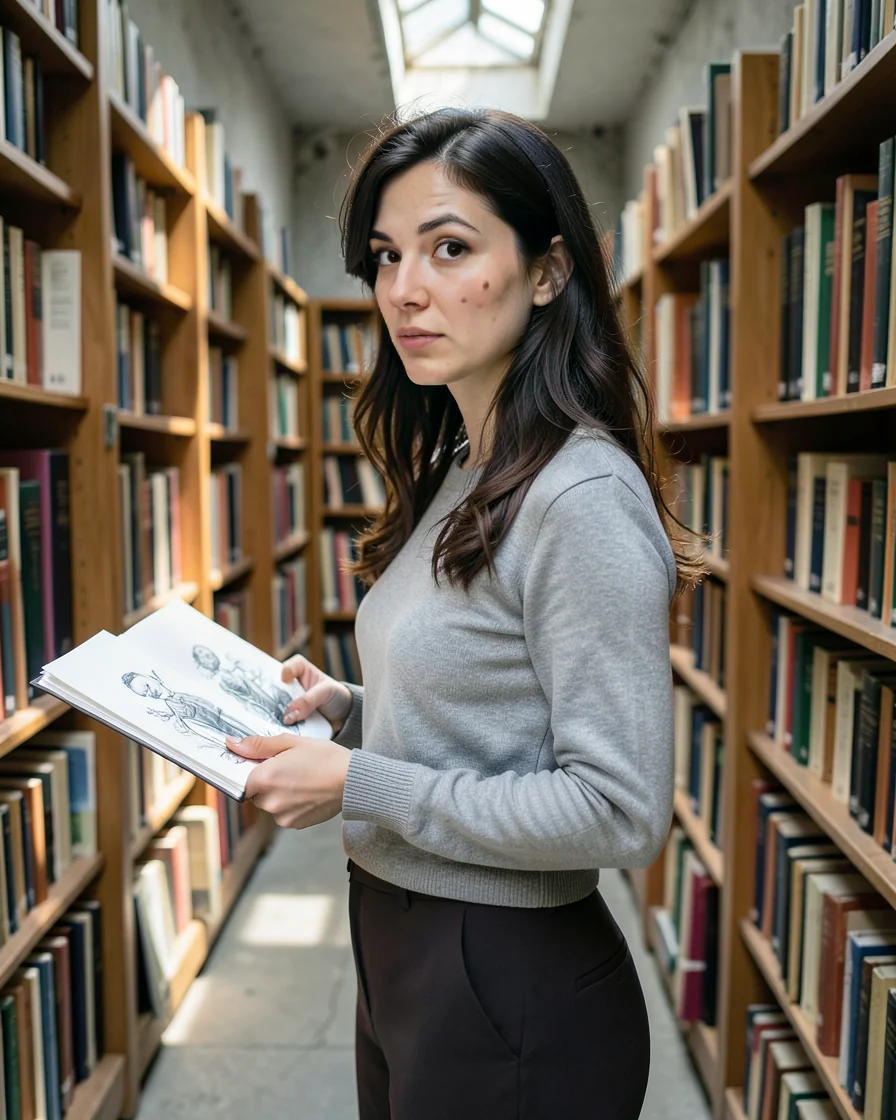
The trucks start arriving a little after six, and by seven the yard smells of crushed green stems. I stand at the gate with a clipboard nobody looks at, because the drivers know me and I know their fields. May is the only month I am never at my desk. Twenty-nine days of it, if the weather is fair.
The distillery is a low white building with three copper stills and a concrete floor that is always wet somewhere. Inside, the air is thick enough to lean on. I work at a narrow table by the window, with a lamp, a rack of glass strips, and my reference vials: oils from the last eleven springs, kept in a cool box like something alive.
A good oil does not announce itself. It arrives quietly, and then it refuses to leave.
The petals go in around noon and the first oil comes off the still in the evening. What I grade is not the flower but the decision the distiller made: when to cut, how hot, how long. Three drops on a strip, wait thirty seconds, smell the dry end and then the wet one. The dry end tells the truth.
What I Am Actually Looking For
Not the perfume of a rose. That is what visitors want and it is the least useful thing in the room. I am looking for the stem, the green crush, a little hay, a little honey, and underneath all of it, the wax. No wax and the oil will feel thin by November. A burnt note at the back means the fire ran hot and somebody was in a hurry.
People imagine grading is romantic. It is mostly saying no. On a good day I will call nine of forty samples first grade, twenty of them second, and the rest go into soap or into the bin, and the bin is not a metaphor. The distiller argues. I have learned to let him argue for exactly as long as it takes him to smell the strip himself.
By the tenth sample the roses and I have stopped being polite to each other.
Around four the light turns and my nose starts lying. I keep clean wool in my coat pocket and I go stand by the door for two minutes, breathing nothing in particular. It is not a cure. It is a way of admitting that the instrument needs a rest before it can be trusted again.
The Floor at the End of the Day
When the last batch is done, the spent petals get shoveled out and the floor is hosed down, and the whole building gives up a smell like jam left in the sun. I take my boots off at the door of my own flat. My coat hangs outside. I wash my hair twice and it still holds.
In the morning a colleague will stand too close, sniff, and say, you have been at the stills, and I will say, I have been nowhere else. That is the whole month. I am thirty years old and I have smelled something close to a million roses, and what I remember from May is wet concrete and a clipboard nobody looks at.
中文译文
卡车六点过一点就开始到,七点钟院子里全是压碎的绿茎味。我拿着没人看的板夹站在门口,因为司机认得我,我也认得他们的田。五月是我唯一不在办公桌前的一个月。天气好的话,有二十九天。
蒸馏车间是栋矮白房子,里头三台铜锅,水泥地总有哪一处是湿的。空气厚得像是能靠上去。我在窗边一张窄桌前干活,桌上有一盏灯、一排玻璃试纸,还有我的对照瓶:过去十一个春天的油,装在一只冷箱里,像活着的东西。
好的油不会自报家门。它安安静静地来,然后就赖着不走。
花瓣中午入锅,头道油傍晚才出来。我分级的其实不是花,是蒸馏工的判断:什么时候切、火多大、蒸多久。三滴油落在试纸上,等三十秒,先闻干的那一头,再闻湿的。干的那头说实话。
我真正在找的是什么
不是玫瑰的香水味。那是游客想要的,也是屋子里最没用的东西。我找的是茎,是青草被碾碎的那一下,一点干草,一点蜜,而在所有这些底下,是蜡。缺了蜡,油到十一月就单薄。要是尾巴上有一丝焦,那就是火太旺,有人赶时间。
人们以为分级是件浪漫的事。它多半是说不行。状态好的一天,四十个样本里我大概给九个一等,二十个二等,剩下的进肥皂,或者进垃圾桶,而垃圾桶不是修辞。蒸馏工会争。我学会了让他争,争到他自己去闻那张试纸为止。
闻到第十个样本,玫瑰和我都已经不再跟对方客气。
四点前后光线一变,我的鼻子就开始撒谎。口袋里装着干净的羊毛,我到门口站两分钟,什么也不刻意闻。这不是解药,只是承认:仪器得先歇一歇,才能再被信一次。
一天结束时的地面
最后一批蒸完,废花瓣被铲出去,地面用水冲,整栋楼散发出一种像果酱晒在太阳里的味道。我在自家门口脱靴子,外套挂在外面。头发洗两遍,还是留着味。
第二天早上,同事会凑得太近,嗅一下说:你去过锅边了。我说:我哪儿也没去。整个五月就是这样。我三十岁,闻过差不多一百万朵玫瑰,而五月留给我的记忆,是湿水泥,和那块没人看的板夹。