Essay
Coffee in the Courtyard Until Dark
院子里的咖啡,喝到天黑
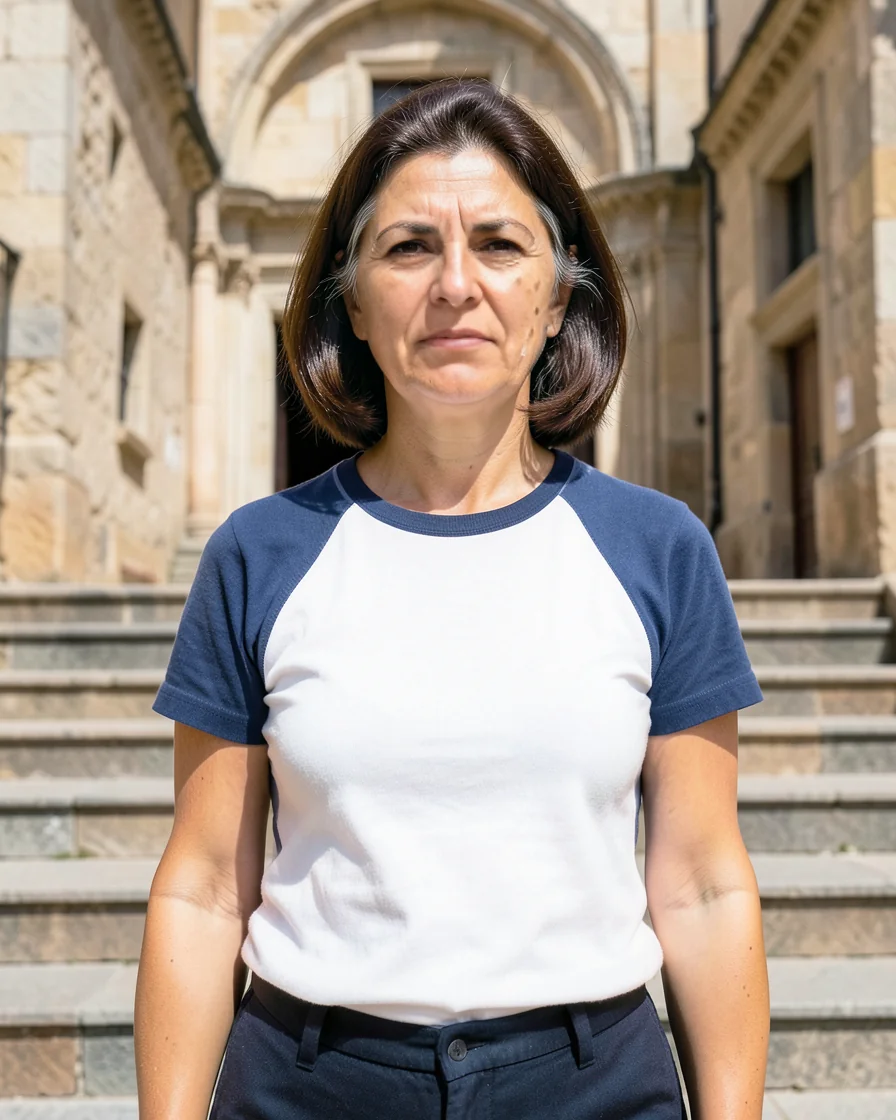
Our building holds six families and one courtyard, and the courtyard belongs to whoever is sitting in it. There is a grapevine on a metal frame that my neighbor Siranush's late husband welded in 1989, a tap that runs cold even in August, and a bench repainted so many times that the legs have gone soft at the edges.
I come down at six, later in summer. I have lived in this building nineteen years and I still do not get the good chair. That is fine. The good chair faces the gate, and the gate is where things happen: a delivery, an argument, a grandson arriving on a bicycle with his shirt already untucked.
The coffee takes as long as it takes
I make it in the small jazzve, the one whose handle went dark years ago from the same flame. Sugar first, cold water, a slow rise. If you walk away it climbs over the rim, and you have lost nothing, and you have lost something. I do not walk away.
Nobody in this courtyard has ever asked me to hurry.
Siranush reads cups. She turns mine upside down on the saucer, waits, then finds roads in it, and letters, and a long journey I am not going to take. I believe none of it. I also never refuse. Forty-four years is long enough to stop arguing with neighbors about what the future looks like.
We talk about the water being shut off, the price of apricots, a wedding over in Arabkir, whose son has gone to work in Poland. The talk goes nowhere, which is what it is for. Some evenings Vahan brings out a radio and we listen to a station from Gyumri until it begins to hiss.
Dark rises from the ground
In Yerevan the light leaves the rooftops last. First the courtyard goes blue, then the vine, then the walls. Someone upstairs closes a window and you can hear the whole building consider sleep. I go up when I can no longer see the bottom of my cup, which is a better clock than the one in the kitchen.
A slow evening is not an empty one.
In the morning my eyes will ache and the rug on the table will still be wrong in the same place. None of that argues with me. I rinse the jazzve, turn it upside down by the window, and go to bed smelling of coffee and wool, the two smells of my life, which I would not know how to separate.
中文译文
我们这栋楼住着六户人家,共用一个院子;院子属于此刻坐在里面的那个人。铁架上的葡萄藤是邻居西拉努什的亡夫一九八九年焊的,水龙头八月里也是冰凉,那条长凳刷过太多遍漆,凳腿的棱角都软了。
我六点下楼,夏天更晚些。在这栋楼住了十九年,那把好椅子还是轮不到我。也行。好椅子朝着大门,而大门那儿总有事情发生:送货的、吵架的、骑着自行车回来的孙子,衬衫下摆早就跑出来了。
咖啡该煮多久就煮多久
我用那把小铜壶煮,壶把手在同一个火上烧了多年,早黑了。先放糖,凉水,慢慢起沫。人一走开它就漫出来,你什么也没损失,可你也损失了什么。我不走开。
这个院子里,从来没人催过我快一点。
西拉努什会看杯底。她把我的杯子扣在碟子上,等一会儿,然后从中找出路、找出字母,找出一次我不会去的长途旅行。我一句都不信,也从没拒绝过。四十四岁了,足够不再跟邻居争论未来该长什么样。
我们聊停水,聊杏子的价钱,聊阿拉布基尔那边的一场婚礼,聊谁家的儿子去了波兰做工。话哪儿也不去,本来就是不去的。有些傍晚瓦汉会把收音机搬出来,我们听久姆里的电台,一直听到沙沙作响。
黑是从地面往上来的
在埃里温,光是最后才离开屋顶的。院子先变蓝,然后是葡萄藤,然后是墙。楼上有人关窗,整栋楼都像在考虑睡觉这件事。我看不清杯底了就上楼——这只杯子比厨房那只钟准。
慢下来的傍晚,不是空的傍晚。
到了早上眼睛会酸,桌上那块地毯还在同一个地方不对。这些都不跟我商量。我把壶冲净,倒扣在窗边,带着一身咖啡和羊毛的气味去睡——我这一生的两种气味,我不知道怎么把它们分开。