Essay
A Seed Envelope for the Nature Shelf
给自然书架准备的种子信封
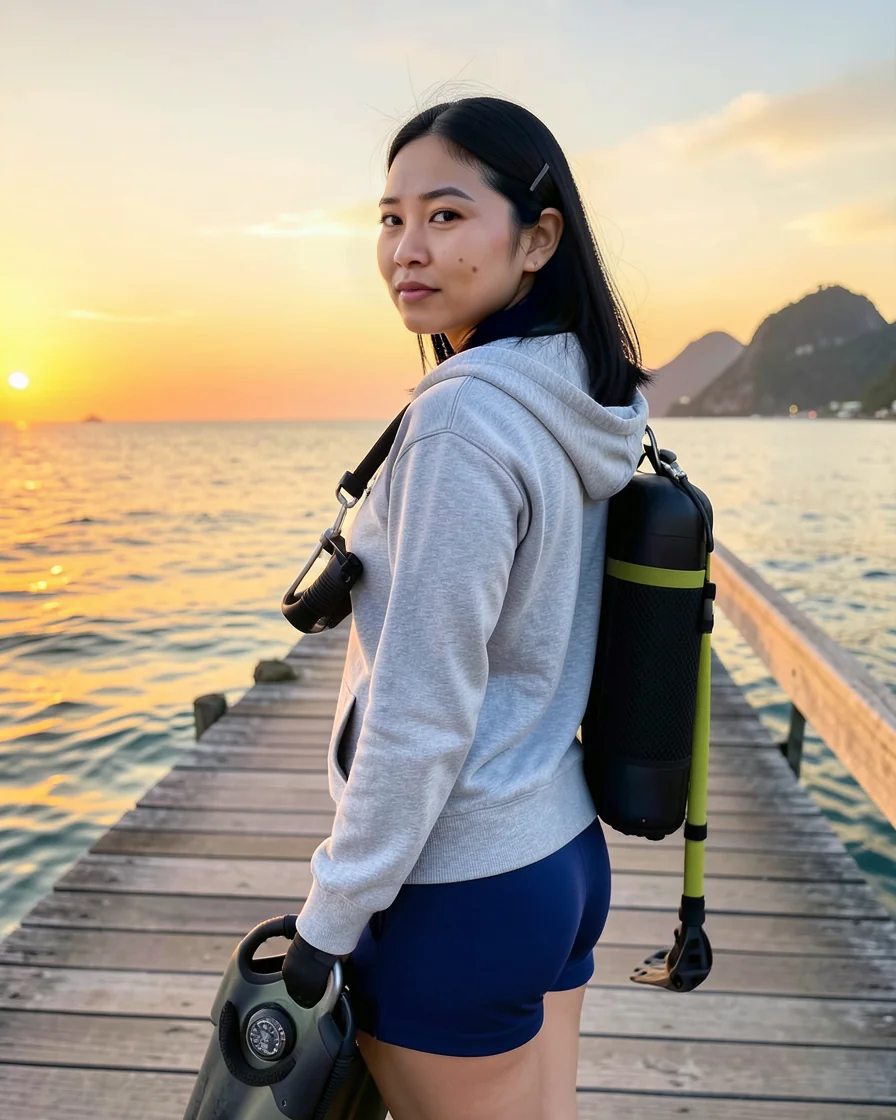
On Saturday morning, I walked toward the coast of Bandar Seri Begawan, Brunei, wearing the cream knit sweater that softens at the cuffs after a week of handling books. My canvas bag held a library guide, two pencils, a small cloth, and four empty envelopes saved from the mail. The route is familiar, but I rarely walk it without a reason tied to the two shelves. This time I was looking for fallen s
The tide had withdrawn far enough to reveal a narrow line of leaves, grass stems, and pods along the wet sand. I did not collect the first driftwood I saw. Instead, I checked each pod with the guide, comparing its shape and texture, and left anything green or uncertain where it was. Three dry pieces were already loose from their trees. I placed them in separate envelopes so their edges would not c
A Pocket Made From Paper
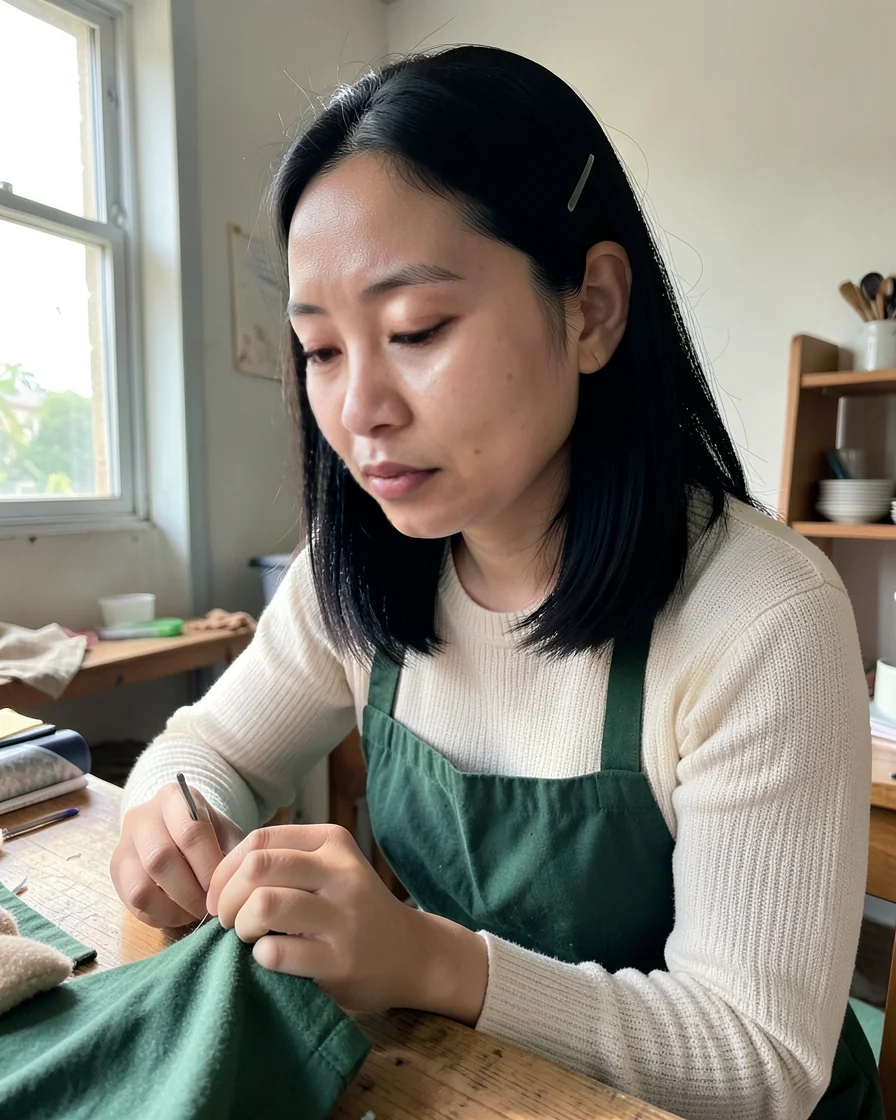
Back beneath a concrete shelter, I flattened the envelopes and folded new sleeves from brown craft paper. A little school-safe paste held the seams; a narrow strip of tape protected the tips. On each label, I wrote the name printed in the guide, the date, and the place where I had found it. I crossed out a guessed species name rather than leave a confident error in front of the children.
A fisherman watched me work from the shade and asked whether the pods were valuable. I told him they were useful only as examples. He pointed to a fourth pod still tangled in grass and said it had come from the same tree the previous year. I left that one in place, but he pulled the dry one free and placed it beside my bag. The exchange required no name, and I recorded the location without claimin
The shore offers only what has already let go.
At the library, I put the envelopes on the nature shelf, one of the two low shelves in the room. They occupied less space than a stack of atlases and looked strangely formal beside the bright reference covers. For the display, I used an empty cereal box covered in brown paper and divided it into three sections with folded card. Each section held one envelope, its handwritten label facing outward.
I repaired the old tree guide while the display dried. Its corners had lifted, and the color on one map had faded to pink. I used wheat-starch paste, a strip of acid-free paper, and weights made from thread-sewn cloth squares. The process took most of an afternoon. When I brushed excess paste from the spine, a trace of glue reached the cuff of my cream sweater. The stain was pale enough to hide be
The Note Becomes a Practice
I wrote a recommendation on a square yellow note and placed it beside the envelopes: look at the pod's seam, compare it with the leaves in the guide, and ask why a dry shell can travel farther than a living seed. That last question was not in my guide. I had thought of it while walking back. The note made the display less like a specimen case and more like a reading table, which is what I wanted.
Read the small thing before you name it.
By Tuesday, three children had added notes of their own. One drew the shape of a leaf and wrote that the outside felt rough. Another copied the place and date from my label. The third asked whether we could keep a piece that crumbled. I said no, and then showed her how to make a paper pocket for fragments without removing them from the envelope. The table became shared without becoming untidy.
I softened the corners of my stack of spare notes and kept a pencil beside the display. When I sorted the box one evening in my flat in Bandar Seri Begawan, the labels no longer looked like my handwriting alone. Some were larger, some pressed too hard, and one contained only a question mark. I trimmed each note to the same width and slid them into a small tin. That tin now sits beside the return d
On Friday, the seed display came down. The envelopes went back into the guide, where they will wait for another season, and the handmade sections were stored behind the reference books. I kept one yellow note on the nature shelf. It read, in a child's careful capitals, ‘THE PODS ARE NOT SEEDS.’ I left it there. It was not entirely accurate, but it was precise enough to start a useful argument.
中文译文
星期六早上,我从文莱斯里巴加湾走向海岸,穿着那件米白色针织长袖,袖口在一周摸书之后已经变软。我的帆布袋里装着图书室指南、两支铅笔、一块小布,以及四个从邮件中留下的空信封。这条路我熟悉,却很少没有与那两个书架相关的理由就出来走。这一次,我在找落下来的种荚,想为自然架做一个小展示。
潮水退得足够远,湿沙上露出一条由叶片、草茎和种荚组成的窄带。我没有带走第一块看到的浮木,而是用指南逐一比对形状和纹理,凡是青绿的或不能确定的都留在原处。有三只干透的果实已经脱离树木。我分别装进信封,免得边缘互相碰撞裂开。
用纸做一只小袋
回到一处水泥棚下,我把信封压平,又用棕色手工纸折出新的封套。少量适合学校使用的糨糊粘住接缝,一小条胶带护住尖端。每张标签上,我写下指南里的名称、日期和发现地点。有个物种名称只是我的猜测,我便划掉,不愿把一个笃定的错误留给孩子们。
一名渔夫在阴凉处看我干活,问这些种荚值不值钱。我说,它们只适合当作样本。他指给我看第四只仍缠在草里的种荚,说前一年也有同一棵树落下这样的东西。我没有取那一只,是他先把干透的扯下来,放在我的袋旁。整段交谈不需要交换姓名,我也照实记下地点,没有多添半分把握。
海岸只留下那些已经放手的东西。
回到图书室,我把信封放进两个矮书架中的自然架。它们占用的地方还不到一摞地图册,却和鲜亮的参考书封面相比显得格外正式。为了这次展示,我用一个包上棕纸的空麦片盒,折出三片隔板,分成三个格子。每格放一只信封,手写标签朝外。孩子们先注意到展示,然后才注意到书。
展示晾干时,我修那本旧树木指南。它的书角翘起,一张地图的颜色已经褪成淡粉。我用小麦淀粉糨糊、一条无酸纸,再加几块缝了线的布做重物压平。整个下午就这样过去了。刷掉书脊上的多余糨糊时,一点胶沾到了米白针织衫的袖口。那块印子很浅,藏在别的痕迹下面就看不出来。
便签慢慢变成习惯
我在一张方形黄色便签上写推荐,把它放在信封旁:观察种荚的接缝,和指南里的叶子作比较,再想一想,为什么干透的外壳能比活着的种子走得更远。最后那个问题并不在指南里,是我走回来时才想到的。这张便签让展示不那么像标本盒,更像一张供人阅读的桌面,这正是我想要的。
先读懂细小之处,再给它命名。
到了星期二,三个孩子已经各自加了便签。一个画下叶子的形状,写外面摸起来粗糙;另一个照抄了我标签上的地点和日期;第三个问,能不能留下已经碎掉的一小块。我回答不行,然后教她怎样用纸做小袋,在不把碎片从信封里取出的情况下收好。桌面变得有人参与,却仍然不乱。
一天晚上,在文莱斯里巴加湾的公寓里整理盒子时,那些标签已经不再像全是我一个人写的。有的字很大,有的落笔太重,还有一张只写了一个问号。我把每张便签修成同样宽度,再滑进一只小铁盒。现在铁盒放在归还桌旁,等着下一位读者。
星期五,种子展示撤下来。信封重新夹回指南里,等下一个季节;手工隔板收在参考书后面。我在自然架上留下一张黄色便签,上面用孩子仔细的大写字母写着:“这些荚并不是种子。”我没有拿走。它不算完全准确,却足够准确地引出一场有用的争论。