Essay
Repairing the Wednesday Storybooks
修补星期三的故事书
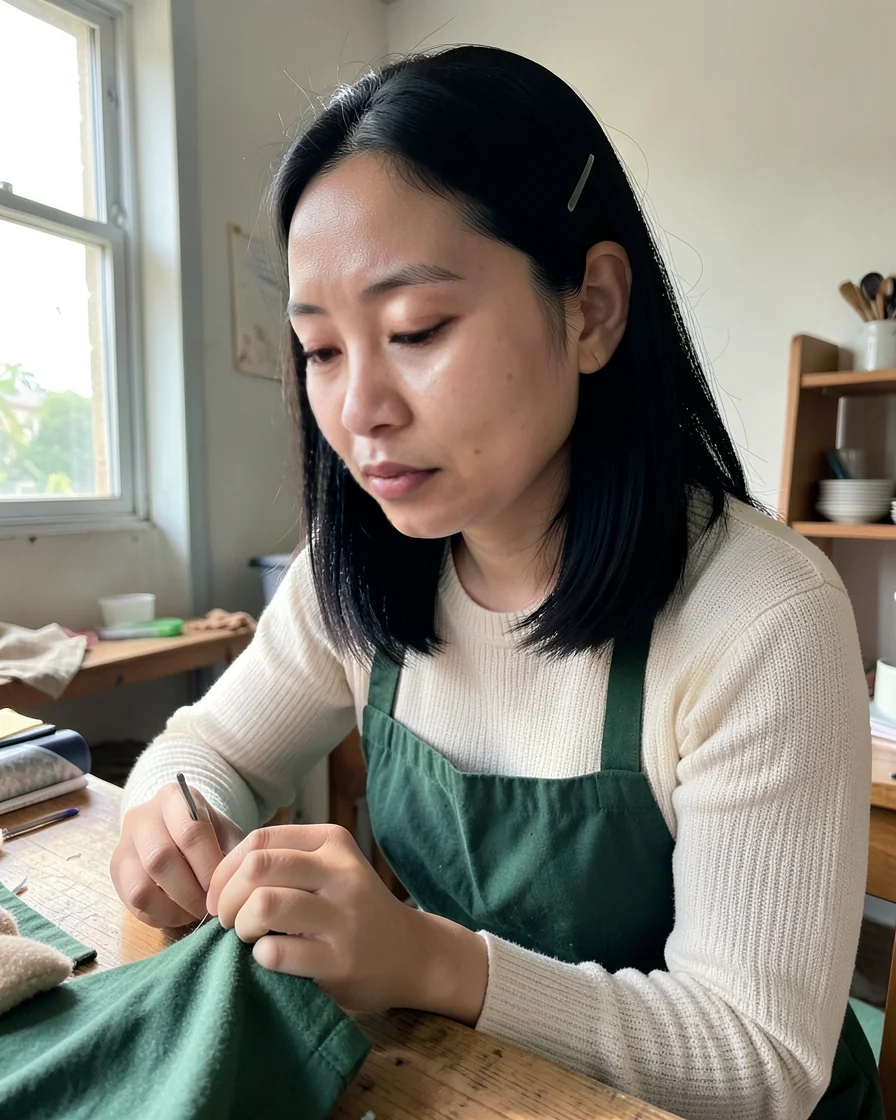
At thirty-six, I have become careful with damaged things. In the small library at my primary school, two low shelves hold more books than their frames can reasonably promise. One shelf is for stories; the other is for nature, riddles, and quiet reference books. By three in the afternoon, the room smells of paper, warm glue, and the rain that has just crossed Bandar Seri Begawan. The children call
On Wednesday, a picture book returned with its spine split and six pages threatening to escape. The child holding it looked more worried than the book. I placed it on the repair table between the shelves, beside a roll of clear tape, cotton swabs, and a jar of school-safe paste. Repair is not part of my official schedule, but the library teaches patience, and damaged pages rarely choose an hour wh
Glue, Weight, and Waiting
I laid the loose pages in their original order and pressed them under a thin cloth. Years of sticky notes had darkened some margins, but the illustrations remained bright: a red boat, a patient cat, a row of houses under heavy rain. I trimmed a strip from an old envelope and used it to reinforce the hinge. The paste needed ten quiet minutes to set, so I sat with my hands around the mug I had broug
While I waited, a pupil asked whether the repaired book would remember being broken. I said books keep some evidence of use, but not every scar. She considered this, then returned a blue crayon from the table. The book had been returned with a small drawing tucked inside, a family of boats sailing without masts. I added it to the temporary repair pile rather than dismiss it.
A book can be loved hard enough to come apart.
At dismissal, the shelves became loud with bags, questions, and wet shoes on the tiled floor. I cleaned the paste from my fingers and let each child borrow only one story. The repaired book went back on the lower shelf, where small hands could reach it. I checked its spine once, gently, the way I might straighten a picture frame in my own flat in Bandar Seri Begawan, Brunei.
A Note for the Next Reader
Inside the front cover I placed a square yellow note, my handwriting kept small so it would not crowd the page. It reads that the boat illustration is worth noticing, that the final spread can be read in whispers, and that a loose page is not the end of a story. These notes are my quiet form of recommendation, more useful to me than a prepared speech.
I write for the child who will find this shelf next term.
By the time the caretaker switched off half the lights, the paste was dry and the spine held. The child who had brought the book came back for it and pressed the cover flat with both palms. She did not say thank you, which I did not expect. She simply asked if she could borrow the next book in the series. I had already written a note for that one too.
中文译文
我三十六岁以后,开始更谨慎地对待受损的东西。在小学的小图书室里,两排矮书架装下的书总比架体能承诺的要多。一排放故事,另一排放自然、谜语和安静的参考书。下午三点,房间里混着纸张、温热糨糊和刚从斯里巴加湾飘来的雨水气味。孩子们叫我“书阿姨”,随后准确地指给我看,哪本书让他们失望了。
星期三,一本图画书被还回来时,书脊裂开,六页纸随时可能掉出来。拿着它的孩子看上去比书还担心。我把它放在两张书架之间的修补桌上,旁边是透明胶带、棉签和一罐适合学校使用的糨糊。修补并不在正式课表里,但图书室教会人耐心,而损坏的书页很少挑我空闲的时候出事。
糨糊、重物与等待
我把松散的书页按原序排好,压在一层薄布下面。多年夹过的便签让部分页边变暗,插图却仍然鲜明:一条红船、一只耐心的猫、雨幕下的一排房子。我从旧信封上裁下一条纸,用它加固书脊的折缝。糨糊需要安静地放十分钟,我双手捧着从家里带来的杯子坐着。
等待时,一个学生问我,修好的书会不会记得自己曾经破过。我说,书会留下一些被使用过的痕迹,但不会留下每一道伤口。她想了想,又把桌上的一支蓝色蜡笔递还给我。那本书里夹着一幅小画:一家人乘船出海,却没有船桅。我把它放进临时待修的书堆,没有把它当作无用的涂鸦丢开。
一本书可以被爱得太用力,以至于散架。
放学时,架子之间挤满了书包、问题和湿鞋踩在瓷砖地上的声音。我擦掉手指上的糨糊,也只允许每个孩子借一本故事。修好的书回到低层书架,让小手能够到。我轻轻按了按书脊,像是在自己位于文莱斯里巴加湾的公寓里扶正一幅相框。
给下一位读者的便签
我在扉页里夹了一张方形黄色便签,字写得小小的,不挤占原来的版面。上面写着:那幅小船插画值得留意,最后几页可以用耳语读,一张松动的书页并不意味着故事结束。这些便签是我安静的推荐方式,对我来说,比准备一段推荐词更有用。
我写给下一学期会找到这排书架的孩子。
看门人关掉一半灯时,糨糊已经干了,书脊也重新合拢。带来那本书的孩子回来,用两只手掌把封面压平。她没有说谢谢,我也没期待。她只问能不能借系列里的下一本。那一本,我早已写好了便签。