Essay
The Ride Home After Closing
收摊以后骑车回家
Closing the stall has its own order. First I count the coins and notes, then rinse the serving pot, wipe the table, and fold the tarpaulin when the wind has died down. The glutinous rice usually sells out by ten; the coconut ice lasts a little longer. Only when the steel lid is secure do I allow myself to look toward the road.
My small motorbike was chosen for narrow market lanes, not for comfort. I strap the cooler to the back, put the metal pot inside a cloth bag, and hang the folded cover along the handlebar. One rider passes with a paper bag of vegetables. I wait until the lane clears, then guide the bike out by walking it for the first few metres.
The Last Streetlights
After the market closes, Chiang Mai changes without becoming quiet. Delivery motorbikes cut between pools of light, restaurant workers sweep their doorways, and the old city walls pass in fragments behind trees. I keep to the left because the lamp at the bend is out. The road is broad enough, but the darkness makes every parked truck look wider than it is.
At this hour, the road belongs to delivery riders, cleaners, and people like me who have finished work.
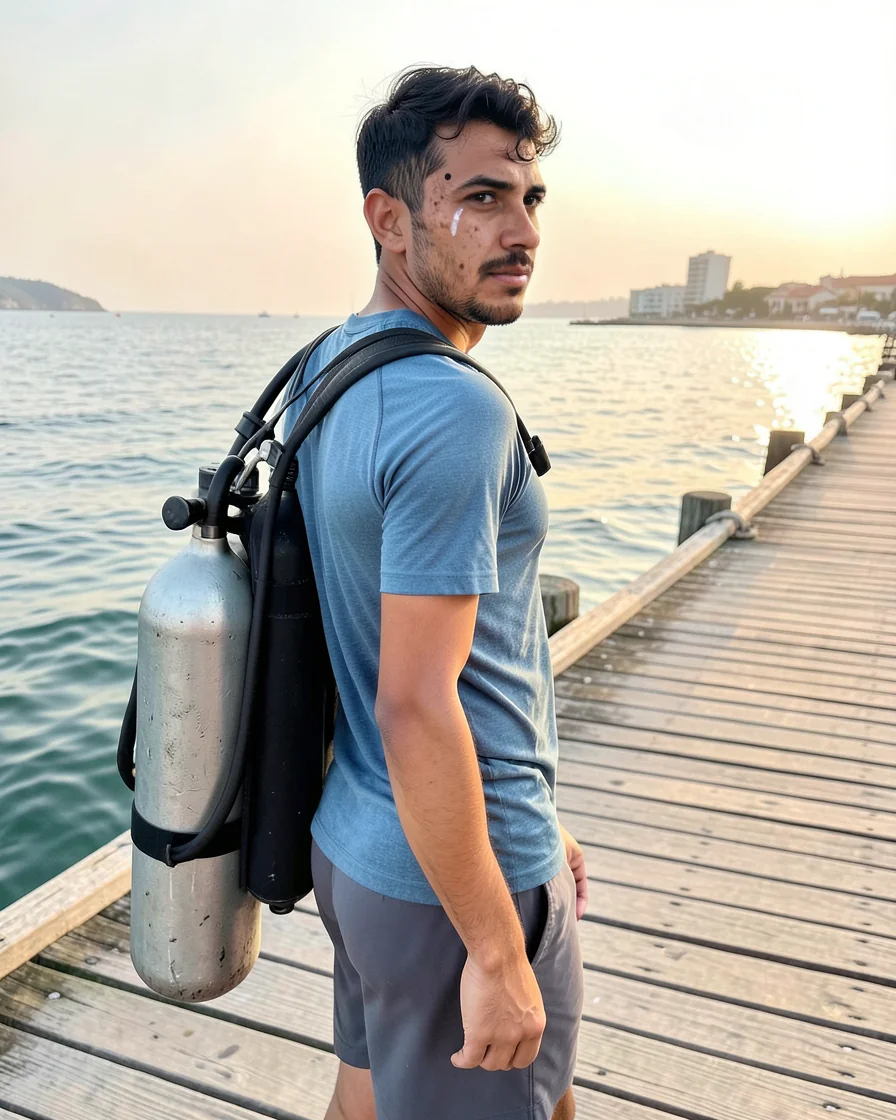
The wind reaches my face as soon as I pick up speed. It is cool after the heat of the stove, and I lower my head behind the wind shield. In the mirror, the small marks across my cheeks and the fine lines beside my eyes are visible whenever a streetlight passes. During service I forget them; on the ride home, they return.
I think about age differently at twenty-eight than I did at twenty-four. A customer once told me that the sun had already reached me, and I laughed because she meant my skin, not my years. Now I understand what she meant. The market gives my face a darker tan, and each late night leaves a little more evidence in the lines.
The Kitchen Light
At home, I rinse the pot once more and leave the damp cloth beside the sink. I portion the remaining coconut cream for tomorrow, check the rice stock, and put the empty cups in their crate. Then I eat rice with the last piece of mango, standing at the counter because sitting down would make the meal feel like a ceremony.
Rest begins only after the pot is washed and tomorrow's rice is measured.
Before sleeping, I set two alarms and leave the portable scale on the shelf. My hands smell faintly of coconut even after washing, which is the easiest way for me to know the day is over. I switch off the light, hear rain touch the tin roof, and put the motorbike beneath the narrow roof overhang outside my door.
中文译文
收摊有它固定的顺序。我先数好零钱和纸币,再冲洗盛饭的锅,擦净桌面,等风停后再折起棚布。糯米通常十点前卖完,椰子冰能多撑一会儿。只有钢盖扣紧,我才允许自己朝路口看一眼。
我的小摩托是为了穿行狭窄的市场巷道买的,不是为了舒适。我把保温箱绑在后面,金属锅放进布袋,再把折好的棚布搭上车把。一名骑手拎着蔬菜经过。我等他过去,先推着车走出一小段,才跨上去。
最后一排路灯
市场收摊以后,清迈会变,却不会真正安静。送餐的摩托车从一片片灯光间穿过去,餐馆员工扫着门口,旧城墙在树后时断时续。我靠左走,因为弯道那盏灯坏了。路本来够宽,可黑暗会让每辆停着的卡车都显得更宽。
这个时辰,道路属于送餐骑手、清洁工和刚收工的我这样的人。
摩托车一提速,风就吹到脸上。炉火积了一天的热,这时才凉下来,我低下头,藏在挡风板后面。后视镜里,路灯每照过一次,我脸颊上的斑点和眼角的细纹就显出来一次。招呼客人时我会忘记它们;收工回家,它们又回来了。
二十八岁时的我,对年龄的看法和二十四岁时已经不同。有位客人曾说我已经被太阳晒到了,我当时笑了,因为她说的是我的皮肤,不是我活过的年头。现在我明白她的意思。夜市让我的脸更黑,每晚收工也在纹路里留下一点证据。
厨房里的灯
回到家,我再把锅冲一遍,把湿布搭在水槽边。我把剩下的椰奶分装好,检查糯米的水量,再把空杯放进箱子。然后我站着吃掉米饭和最后一块芒果,因为一坐下,这顿饭就像某种仪式了。
锅洗净、明天的米量好以后,休息才算开始。
睡前,我定好两个闹钟,把便携电子秤留在架子上。即便洗过手,指尖仍留着淡淡的椰香,这也是我知道一天结束的最简单方式。我关掉灯,听见雨点落在铁皮屋顶上,把摩托车停在门外窄窄的屋檐下。