Essay
The Saffron Shirt After Work
下工后的藏红花色衬衫
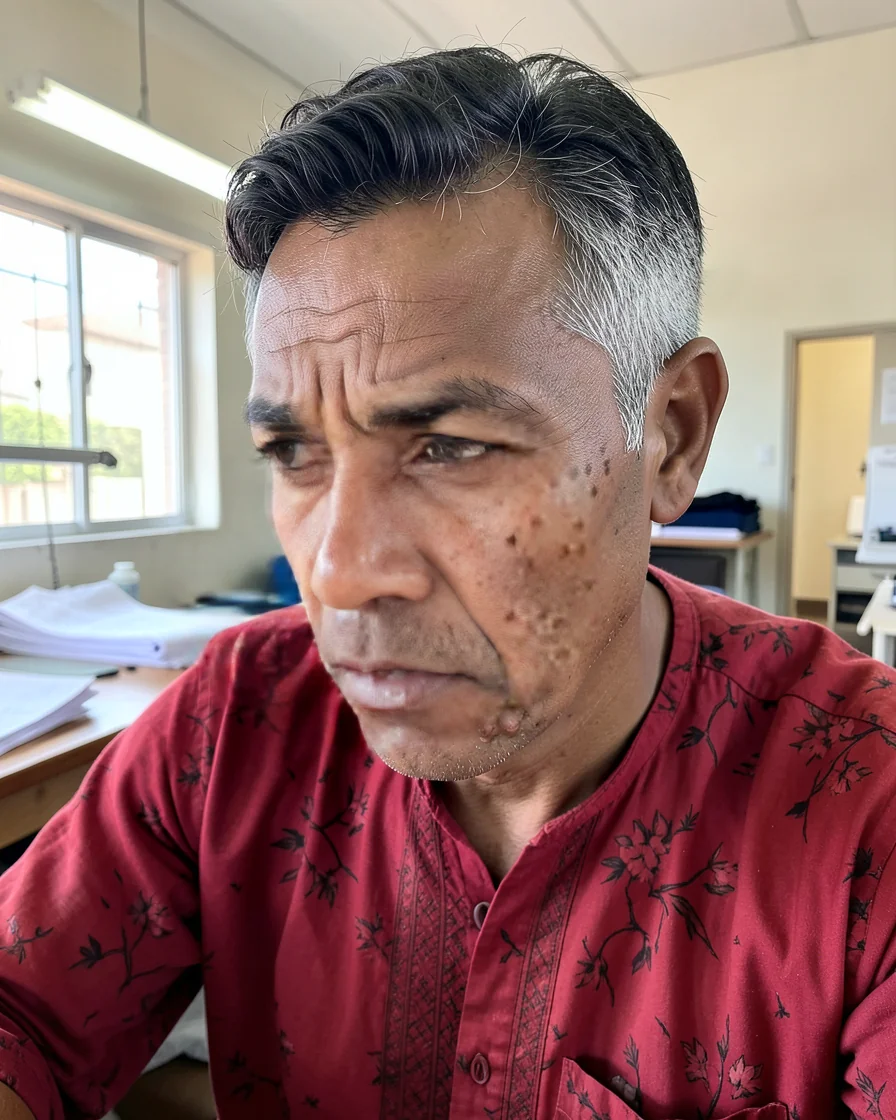
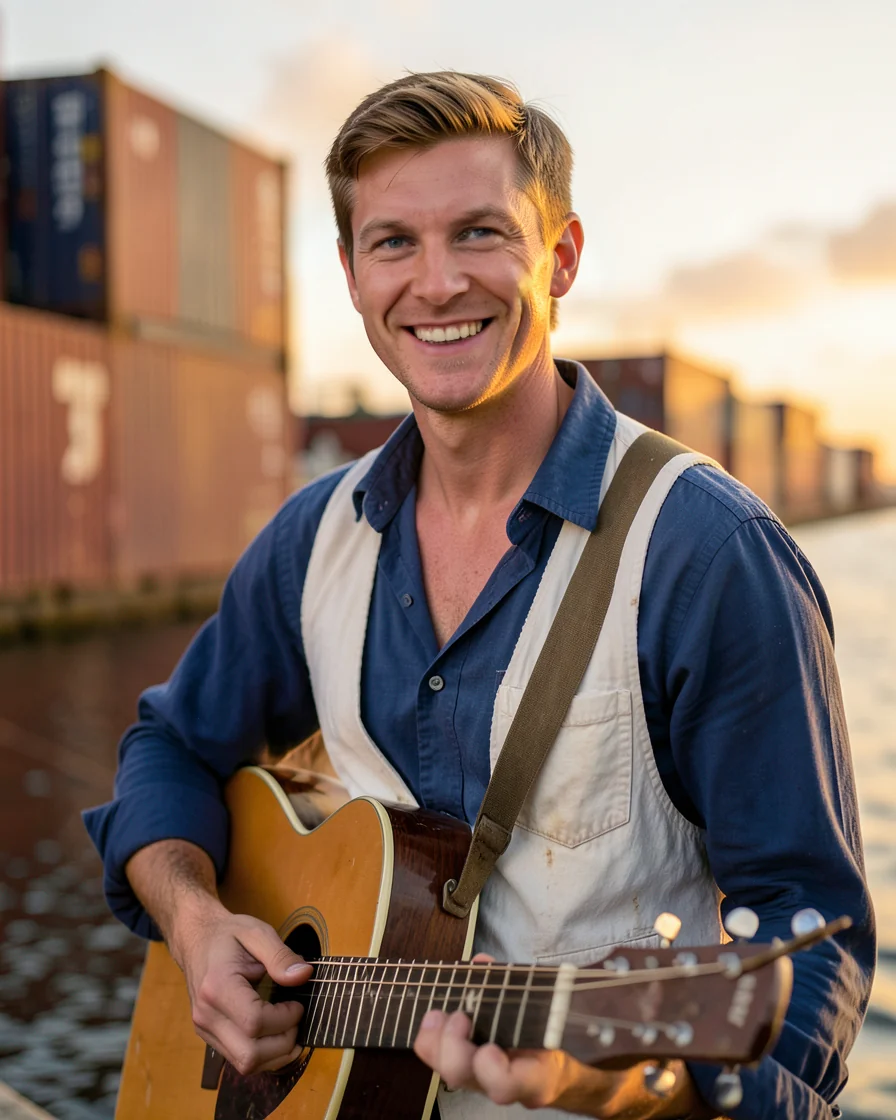
I wore the saffron cotton shirt on a clear afternoon because its color seemed honest against the gray cranes of Mindelo and the blue-black water off Cape Verde. By the last hour, the collar was damp against my neck. Salt had left pale crusts on the cuffs, and a thin line of dust ran across the chest where the cargo strap had rested. None of it mattered while the boxes still had to move.
At the end of the shift, I rinsed the shirt in the basin beside the loading area and hung it on the shaded side of the house. The wind came and went, carrying the smell of the harbor close enough to wet the fabric again. I left it there until the collar felt dry and the color returned, softer than before, with the day's salt still folded into the weave.
A change of clothes
Before going to the tavern, I brushed the dust from the shirt and chose a clean pair of trousers. This is not vanity; it is a small division between work and music. The daytime belongs to weight, noise, and the count of what leaves the pier. After dark, I can sit with the guitar and let the shoulders drop. The brighter cloth is simply a visible sign that another hour has begun.
The body understands a change of pace before the mind does.
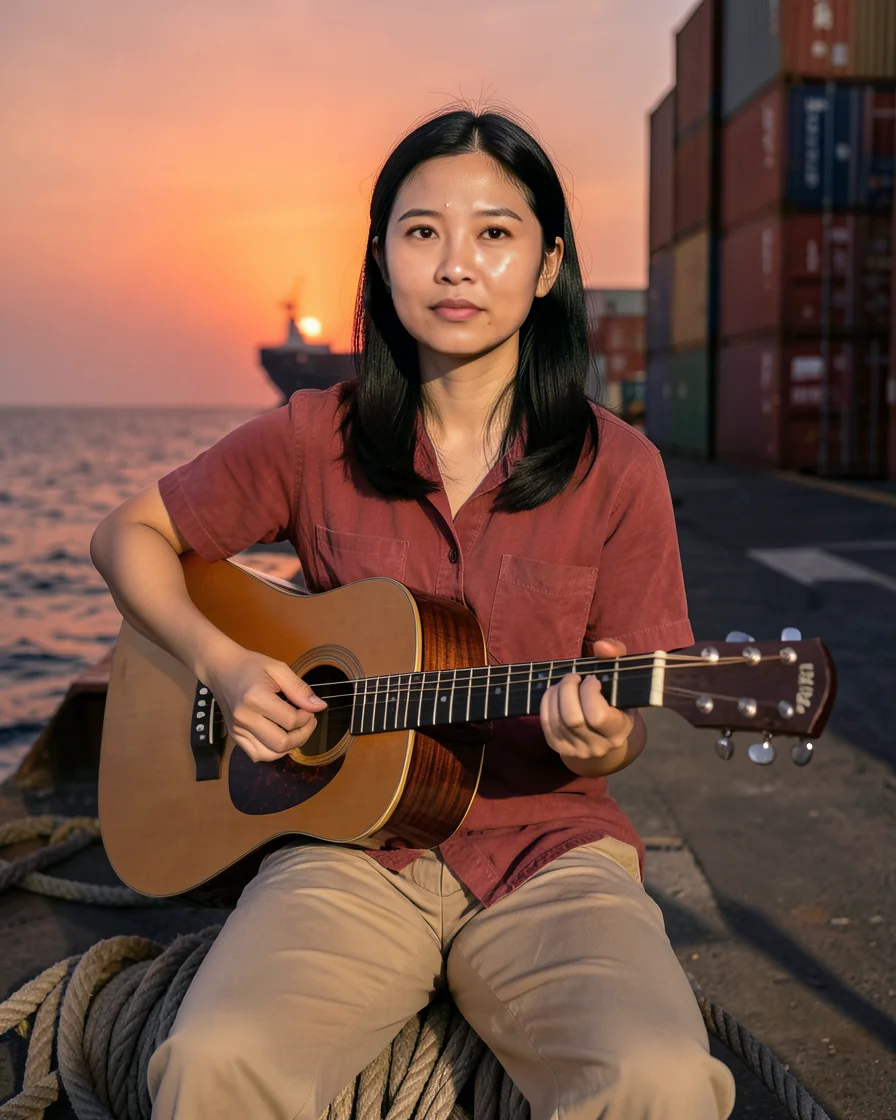
At the tavern, I opened the guitar case and heard the neck settle against my palm. A woman asked for the old song about the distant coast, one I had played for years. I found the first chord, then the second, and kept my voice low. The saffron shirt was warm from the walk, and the room's smoke softened its color until it looked almost brown.
When I finished, no one asked for an encore. That suited me. The songs I play most often are older than the people who request them, and I have no wish to make them current. My voice has always been low and plain. I let the melody carry what I cannot say, then rest the hand on the guitar's body until the last vibration disappears.
Outside, Mindelo was settling into its evening sounds: a bicycle bell, a door closing, water against the quay. I walked toward the sea with the guitar case on my back and the shirt open at the neck. The wind carried enough salt to freshen the cloth. For ten minutes, the harbor was only a place I passed, not a weight I carried.
What remains on the weave
Some stains belong to the work that made the man.
At forty-five, I still remember the first winter I worked the port whenever I look down from the roof at the loading area. I was quicker then and less careful with my shoulders. The cranes had not changed much, though newer paint had crossed their older joints. I had learned to read the wind, the chains, and the patience of the men around me. The shirt held the proof in its fibers.
By midnight, I folded the shirt and placed it beneath the guitar. Tomorrow the cotton would meet sweat and salt again. I did not mind. A garment that refuses the day cannot be trusted at night, and a song played in a clean room too far from the sea can soon sound borrowed. I closed the case and listened for the boats.
中文译文
那天下午天气晴朗,我穿了那件藏红花色棉衬衫,因为在明德卢的灰色吊车和佛得角外海的蓝黑色海水之间,它的颜色看起来很诚实。最后一个小时,领口已经湿漉漉地贴着脖子。袖口结着一层浅盐,胸前的货带压出一道细细的灰痕。货箱还得往下搬的时候,这些都不重要。
下工后,我在装卸区旁的水盆里涮了衬衫,把它挂在房屋背阴的一侧。海风一阵阵来,把港口的气味送到近处,连布也重新沾湿。我一直等到领口干透,颜色慢慢回来,比先前柔和,盐分却还叠在织纹里。
换一身衣服
去酒馆以前,我拍掉衬衫上的灰,换上一条干净裤子。这不是虚荣,只是把工作与音乐稍微分开。白天属于重量、噪声,以及离港货物的件数;天黑以后,我才能抱起吉他,让肩膀松下来。那件更亮的衣服,不过是另一个时辰已经开始的可见记号。
身体比心先懂得换一种步调。
到了酒馆,我打开琴盒,琴颈落进掌心。有人点了那首关于遥远海岸的老歌,我唱了很多年。先找到第一个和弦,再找到第二个,把声音压低。藏红花色衬衫被一路走来的体温烘暖,屋里的烟把它的颜色熏得近乎棕色。
唱完时,没有人要求再来一首,我倒觉得合适。我最常唱的,比点歌的人年纪还大,我也不想让它们变成时下的东西。我的声音一向低沉而朴素。我让旋律替我托住说不出口的话,随后把手按在琴身上,直到最后一丝震动消失。
出门后,明德卢正沉进傍晚的声音:自行车铃、关门声、靠岸的水。我背着吉他盒往海边走,衬衫领口敞着。风里的盐足够让布料重新清爽。那十分钟里,港口只是我经过的地方,不是我肩上扛着的重量。
织纹里留下的东西
有些污痕属于塑造一个人的劳作。
四十五岁,站在装卸区上方的屋顶,我仍记得自己头一个冬天在港口做工。那时我动作更快,对肩膀也没这么小心。吊车没怎么变,只是旧接缝上添了新漆。我后来学会看风、看链条,也看懂身边那些人的耐性。衬衫的纤维里留着这些证据。
到了午夜,我叠好衬衫,压在吉他下面。明天,棉布还会重新沾上汗和盐。我并不介意。拒绝白天痕迹的衣服,夜里也不值得信任;离海太远、在太干净的房间里唱出的歌,很快会像借来的。我合上琴盒,听船留下的动静。