Essay
Old Songs for a Small Room
小屋里的老歌
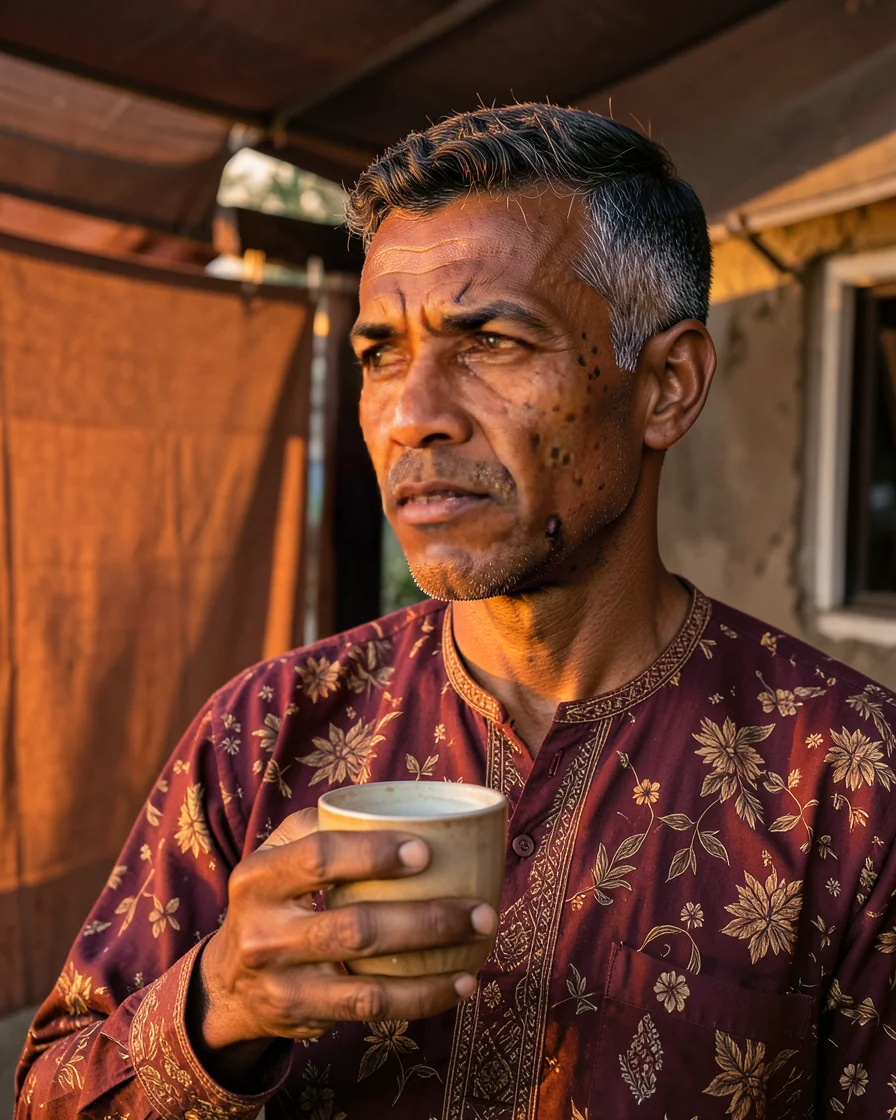
The bar holds thirty people if nobody moves, and there is no stage, only a corner where the chairs get pushed back. I play there Thursdays and Saturdays. The owner has run the place longer than I have lived in this town, pays in cash and cold beer, and has never once asked me to play something more modern.
The set is old. Mornas mostly, the slow ones that let a room breathe, and a coladeira or two when the night needs waking up. Half of these songs were old before my father was born. I learned them the way people learn them here, by ear, from someone who had also learned them by ear, with verses missing.
A Song Without a Recording
Nobody agrees on the words. There are four versions of one morna in this town and each family is certain theirs is correct. I sing the version my mother sang, and I have stopped correcting people about it. A song that lives in ears instead of on a disc is allowed to change shape. That is not damage. That is how it keeps breathing.
Nobody in that room is listening to me. They are listening to the year the song belongs to.
My voice is low, and it has gotten lower. I gave up reaching the high lines years ago and started speaking them instead, close to the microphone, almost tired. People tell me it sounds sad. I tell them the song was already sad; I am only carrying it, the way I carry a box.
There is a man who comes in on Saturdays and requests the same song every week, and every week I pretend to consider it. There is a woman who cries at the second verse and always apologizes afterwards. I never know what to say to that, so I play the next one slower.
Counting the Money at One in the Morning
The last set ends when the beer runs out or somebody's wife calls. We stack the chairs, the owner wipes the counter, and I count my share on the bar top in small notes, which takes a while. Nobody is getting rich. I walk home with the guitar on my back and the case knocking against my hip.
The street is mine at that hour. The port is dark and still working.
I sleep at two and get up at five forty. It is not a sensible life and I do not recommend it. But there is a moment, walking up the hill with the case knocking my leg and salt still in the seams of my shirt, when the two jobs stop arguing and turn out to be the same job: carry something heavy, do not drop it, let it sing.
中文译文
小酒馆塞满也就三十个人,没有舞台,只有一角把椅子往后挪出来的空地。周四和周六我在那里弹。老板娘经营这店比我住进这座城还早,付现金和冰啤酒,从来没要求我弹点更时髦的东西。
曲目都很老。多半是莫尔纳,慢的那种,让一间屋子能喘气;夜里需要醒一醒,就加一两首科拉德拉。这些歌里有一半,在我父亲出生之前就已经老了。我学它们的方式和这里的人一样——用耳朵,从一个同样用耳朵学来的人那里,中间还缺着几段词。
一首没有录音的歌
词没人说得一致。同一首莫尔纳在这城里有四个版本,每一家都坚信自己那版才对。我唱我母亲唱的那版,也不再纠正别人了。一首活在耳朵里而不是唱片里的歌,本来就允许变形。那不是损坏,那是它继续呼吸的方式。
那间屋子里没人在听我。他们听的是这首歌所属的那个年份。
我的声音低,而且越来越低。多年前我就不再够那些高音了,改成把高音说出来——凑近话筒,几乎是疲惫地说。有人说听着难过。我说歌本来就难过,我只是在搬它,跟搬箱子一样。
有个男人每周六来,每周点同一首歌,每周我都假装考虑一下。还有个女人总在第二段掉眼泪,事后一定道歉。这种时候我从不知道该说什么,只好把下一首弹得更慢。
凌晨一点数钱
最后一轮结束,要么是啤酒卖光了,要么是谁的老婆打电话来。我们把椅子叠起来,老板娘擦吧台,我在台面上数自己那份零钞,数得挺慢。没人靠这个发财。我背着吉他走回家,琴盒一下一下撞着胯骨。
那个点的街是我的。港口黑着,可它还在干活。
两点睡,五点四十起。这日子不明智,我不推荐。但走上坡路的时候总有那么一会儿——琴盒磕着腿,衬衫缝里还留着盐——两份活忽然不吵了,原来是同一份:搬一件重的东西,别让它掉,让它唱出来。