Essay
Changing Clothes Between Lesson and City
上完冲浪课,再搭地铁进城
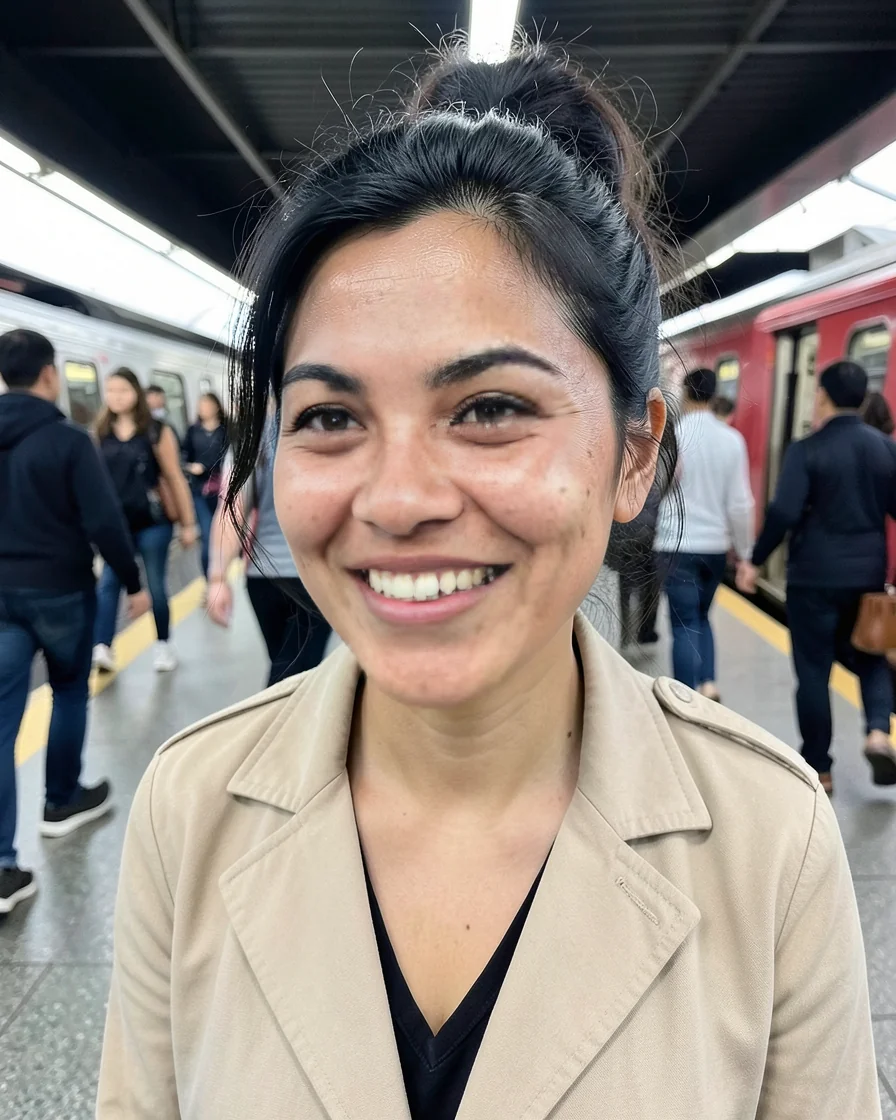
When the last student walks up the beach, I rinse the boards and check that the rack is secure. My hair is still dripping, and sand has dried in the creases of my knees. I change in the beachside shower, leaving the wet suit folded over a pipe and pulling on navy trousers with a pale blue shirt. The transition takes less than five minutes, but the smell of salt stays with me.
The metro carriage is cool after the afternoon heat. I stand with one hand around my coffee cup and the other on the rail, watching people in office clothes pass through the doors. Water still drips from my hair onto the back of my shirt. Nobody looks twice. By the second station, my board bag is at my feet and my notebook is open to the next week's lessons.
The Dry Half of the Day
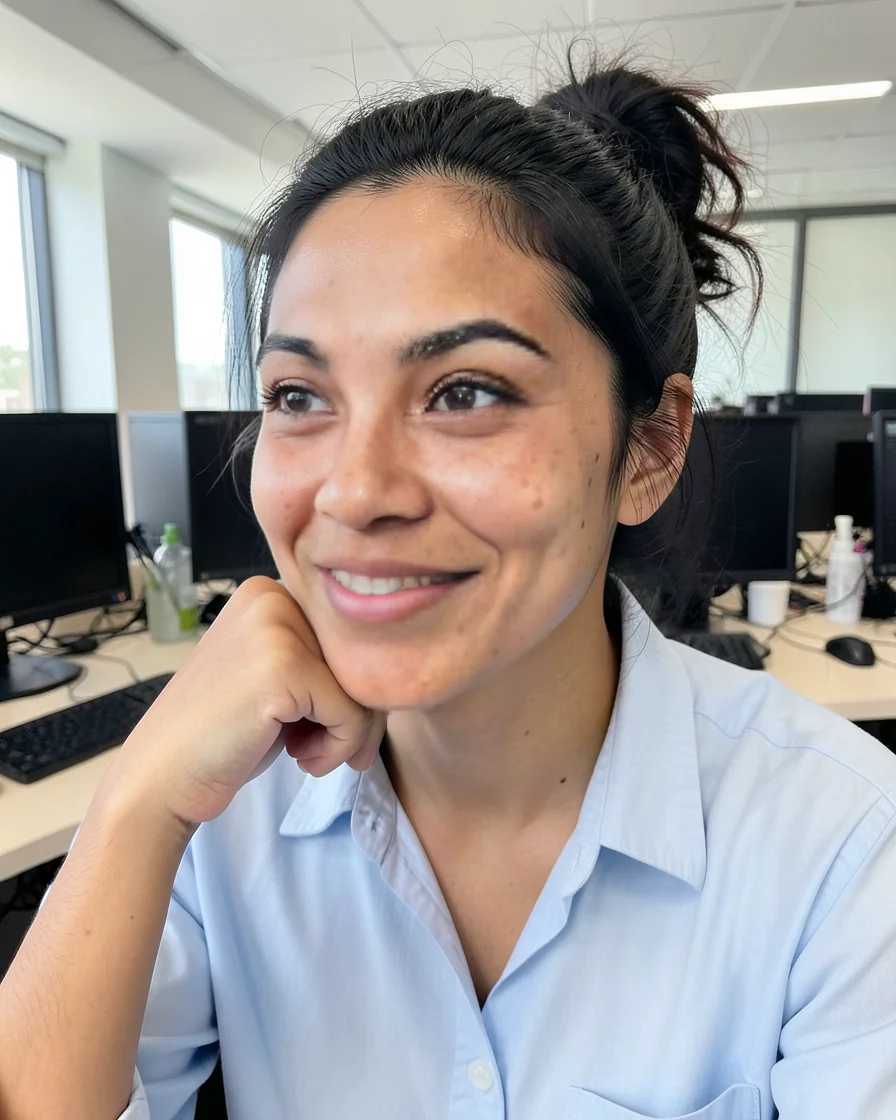
At a small desk near the coast, I divide the week into mornings and afternoons. Morning sessions begin when the water is flat enough for balance work. After noon, the wind decides how long we can stay out and which board will be useful. I mark the quieter days first, leaving enough space between lessons for repairs, drying, and the slow arrival of students who are nervous.
I also check the equipment list: soft-top boards, leashes, wax, rash guards, and the small repair kit that lives in the bottom drawer. A cracked fin or a frayed leash can end a lesson more effectively than a bad forecast. I make notes in the margin instead of postponing the replacement. By the time I close the notebook, the administrative part of the day feels as physical as carrying boards down t
I keep the tide in one notebook and the students' names in another.
In the city, my shoes make a hard, even sound on the pavement. I pass a row of shops closed against the afternoon sun and buy another coconut water from a small kiosk before continuing home. The cup sweats in my hand. The drink is sweet enough to soften the bitterness of the coffee, and for a few minutes I stop thinking about wind speed.
At home, I hang the damp shirt where air can reach it and scrape salt from the board bag lining. The wet suit dries on the balcony, stiff at the seams. I check tomorrow's tide, then close the notebook. The city has made the work look orderly for a few hours, but sand keeps finding its way into every fold and pocket.
Returning to the Water
Before sunset, I return to the beach with the bag over my shoulder. The afternoon wind has eased, and the surface is beginning to flatten again. I do not arrange a full lesson. I only check the boards, pour water over the wax, and watch the first clean line form beyond the break. The shore is quiet enough for me to hear each wave arrive.
Tomorrow's first students will need the same balance point they practice today, even though the wind may ask for something else. I mark two extra minutes for explanation and leave the shoreline marker in my bag. At twenty-two, I still learn much of the work from the water itself, though I have stopped pretending that patience is automatic. It has to be packed with the rest.
By five, the same bag carries dry lessons on paper and salt on the board.
中文译文
最后一名学生走上沙滩后,我冲洗冲浪板,确认板架已经锁好。我的头发还在滴水,膝盖的褶皱里留着干掉的沙。我到海滩边的淋浴处换衣服,把湿潜水服折好搭在管子上,再穿上藏蓝色长裤和浅蓝衬衫。整个转换不到五分钟,海盐的气味却一直跟着我。
午后的暑热过后,地铁车厢里很凉。我一只手握着咖啡杯,另一只手扶着栏杆,看着穿办公室服装的人进出车门。水还在从头发上滴到衬衫后背,却没有人多看一眼。到第二站时,冲浪板包已经放在脚边,笔记本也翻到了下一周的课程安排。
干燥的那半天才刚刚开始
在海岸附近的小桌前,我把一周分成上午和下午。上午的课从海面足够平静、适合练习平衡时开始。中午以后,风决定我们能在海上待多久,也决定哪块板更合适。我先标出安静的日子,并在课程之间留出修板、晾晒,以及给紧张学员慢慢适应的时间。
我还会检查装备清单:软顶冲浪板、脚绳、蜡、防磨衣,以及放在抽屉底层的小修理包。裂开的鳍片或磨损的脚绳,有时比糟糕的预报更能直接终止一节课。我把需要更换的东西写在页边,而不是拖延到下次。等我合上笔记本,这一天的管理部分已经像扛板下沙一样费力。
我把潮汐记在一本笔记里,把学员的名字记在另一本里。
在城里,鞋底敲着人行道,声音坚硬而均匀。我经过一排为了躲避午后阳光而关门的店,又在街边小亭买了一杯椰子水。纸杯在我手里向外渗出水汽。饮料的甜味缓和了咖啡的苦,有几分钟,我不再去想风速。
回到家,我把湿衬衫挂在通风的地方,又刮掉板包内衬上的盐。湿潜水服晾在阳台上,接缝处渐渐变硬。我查过明天的潮汐,便合上笔记本。城市让工作看起来有条理了几个小时,可沙子仍在寻找每一条褶皱和每一个口袋。
回到海边
日落前,我背着包再次来到海滩。午后的风已经减弱,水面开始重新变平。我没有安排完整的课程,只检查冲浪板,在蜡上浇些水,再看向碎浪之外逐渐成形的第一道整齐水线。岸边很安静,我能听见每一道浪靠岸。
明天第一批学员仍要练习今天这个重心位置,即使风会带来另一种要求。我为讲解多留出两分钟,并把岸边的标记放进包里。二十二岁时,我仍从海水本身学到许多东西,只是不再假装耐心会自然出现。它也需要像其他装备一样,被装进包里带走。
到了五点,同一只包里装着纸上的课程,也带着板上的海盐。