Essay
Mending the Skirts That Came Back
补那些回来的裙子
February is the slow month. The rain comes every afternoon, the dance troupes are resting, and nobody orders anything new. What comes through the door instead is repair work: a waistband let out, a hem taken up, a skirt from a dead woman's wardrobe that a daughter cannot bring herself to give away. I keep the shop open anyway. Half of my trade is remembering things.
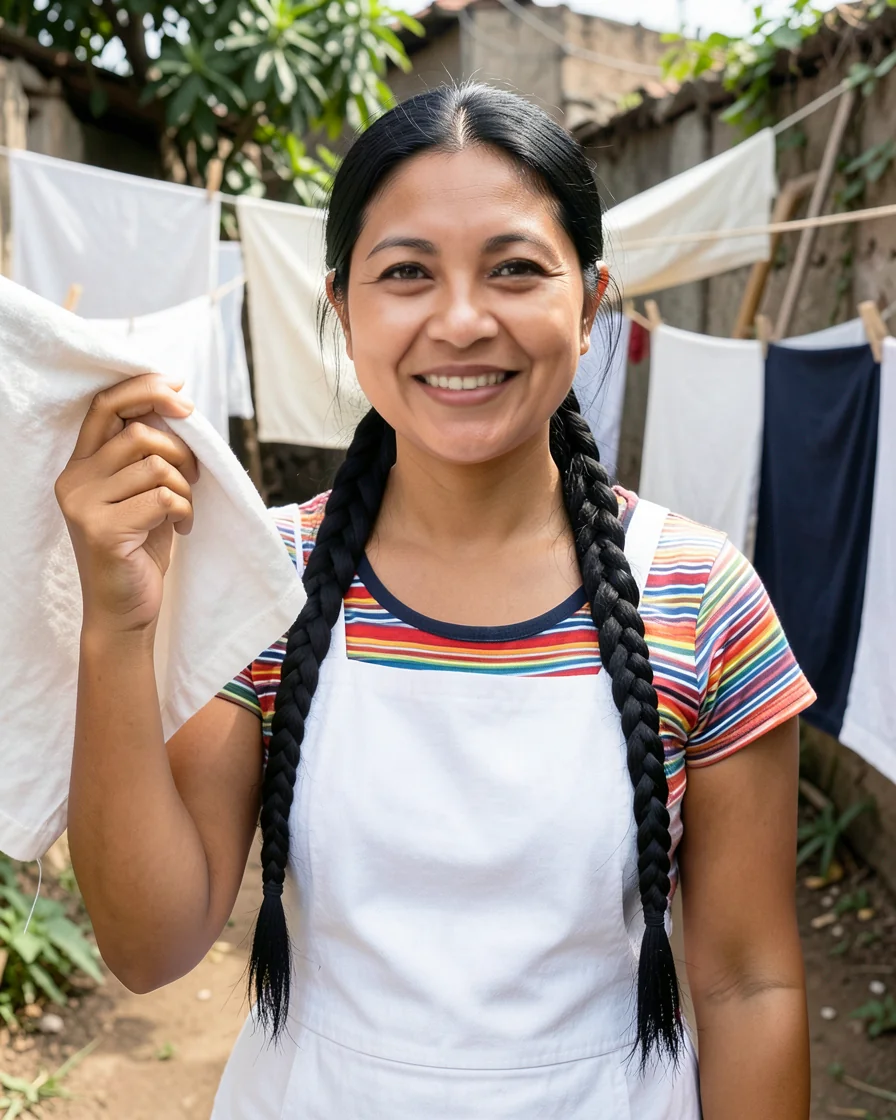
I wear the white cotton apron for this work and nothing else. It is the only thing I own that was not made to be looked at from the street. There is a scorch on the left side from an iron I forgot about years ago. When I put it on I stop being a person who is seen and become a person who is working.
Sitting is also work
People think the standing and the climbing are the hard part. In this city it is the sitting. Seven hours on a chair, and when I finally get up the room takes a moment to catch up with me. I have learned to stand slowly, to hold the edge of the table, to drink something warm before I step out to the corner.
我跟人说我是坐着吃饭的。他们笑,笑完就把旧衣服抱来了。
The neighbour's skirt had worn through at the right hip, a thin grey place the size of a coin. She wanted it patched with cloth from her mother's old manta, which is a different red, slightly wrong, and she knew it. I cut a square and stitched it by hand so the edges would stay soft. Some repairs should be visible. This was one.
颜色底下的颜色
When I open a hem, things fall out: sand from a fiesta three years ago, a hairpin, once a folded bus ticket. Nobody empties a skirt before bringing it in. I shake the sand into my palm and put it in a jar by the window, and I do not tell them, because it is theirs and they have forgotten it.
每一条拆开的裙边里,都有主人留下的东西。
She came for it on a Thursday, put it on over her trousers, and turned once in front of the mirror. The patch sat there like a small red window. She said her mother would have approved of the wrongness of that color, paid me in coins, and went up the hill in the rain.
At dusk I cover the machine with a cloth and sweep the thread ends into the corner. The walk home is uphill, always uphill, and I take it slowly. There is a stall near the top that sells hot api, and I stop there most nights, still in the apron, and let the day settle before I go inside.
中文译文
二月是淡月。雨每天下午来,舞队都在歇着,没人订新东西。进门的是修补活儿:腰头放一放,裙边收一收,还有从过世的人衣柜里抱来的裙子——做女儿的舍不得送走。铺子我照样开着。我这一行,一半的生意是替人记住事情。
做这些活的时候我只穿那条白棉布围裙。它是我唯一一件不是做给街上的人看的东西。左边有一块烫痕,是好多年前忘了的熨斗留下的。系上它,我就不再是被人看的那个人,而是干活的人。
坐着也是干活
大家以为难的是站着、是爬坡。在这座城里,难的是坐着。七个小时不离椅子,最后站起来的时候,屋子要过一会儿才跟得上我。我学会了慢慢起身,扶一下桌沿,出门去街角之前先喝口热的。
我跟人说我是坐着吃饭的。他们笑,笑完就把旧衣服抱来了。
邻居那条裙子右边胯上磨穿了,一块硬币大的地方,灰得发薄。她想用她母亲旧披肩上的布来补,那是一种不一样的红,严格说不太对,她自己也清楚。我剪了一小块方的,用手针缝上,让边保持软。有些补丁本来就该看得见。这一块就是。
颜色底下的颜色
拆开裙边,总有东西掉出来:三年前节庆上的沙,一根发夹,还有一次是一张折起来的车票。没人会在送裙子来之前先把它倒空。我把沙抖在手心里,倒进窗边的罐子,也不告诉她们——那是她们的东西,只是她们忘了。
每一条拆开的裙边里,都有主人留下的东西。
星期四她来取,把裙子套在长裤外面,在镜子前转了一圈。那块补丁像一扇小红窗。她说她母亲会认可这种不对的颜色,用硬币付了钱,冒着雨上了坡。
天黑时我用一块布盖住缝纫机,把线头扫到墙角。回家的路是上坡,永远是上坡,我走得很慢。坡顶附近有个摊子卖热 api,我大多数晚上都在那儿停一停,围裙还系着,让这一天先沉下来,再进屋。