Essay
The Platform at 5:42 A.M.
清晨5点42分的站台
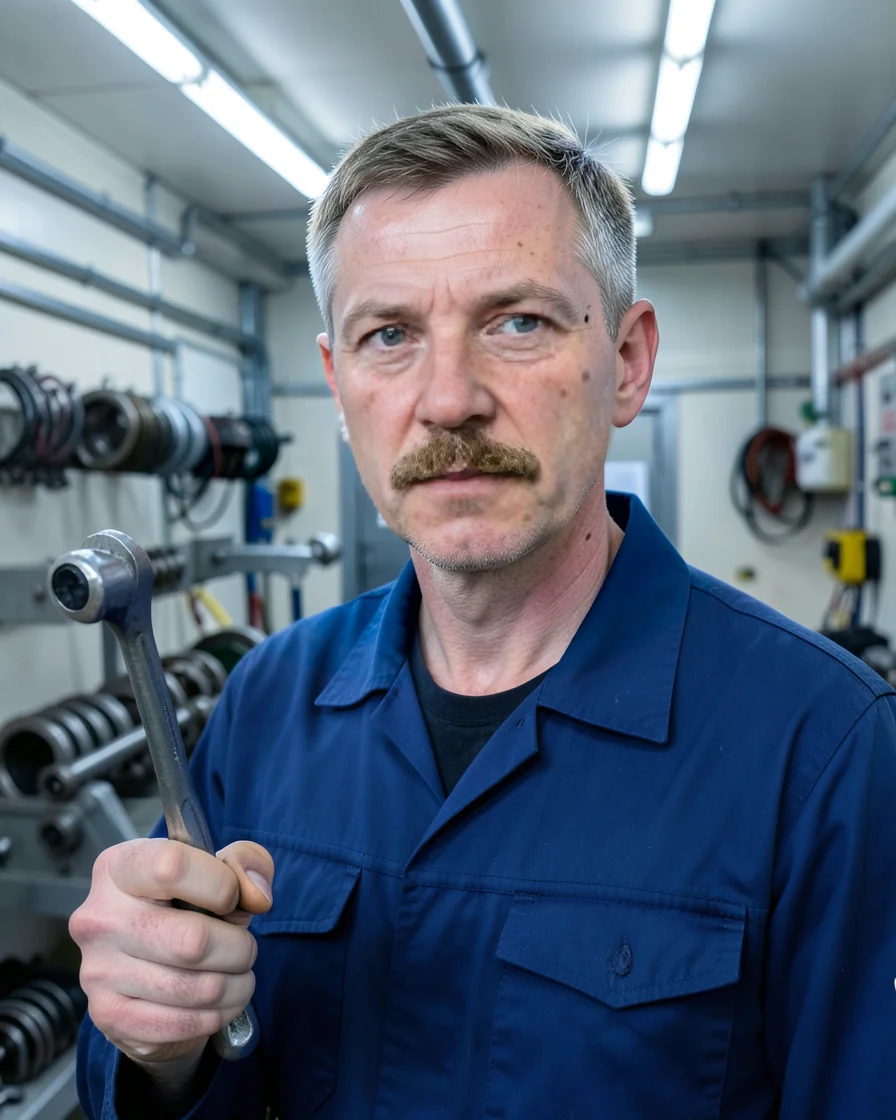
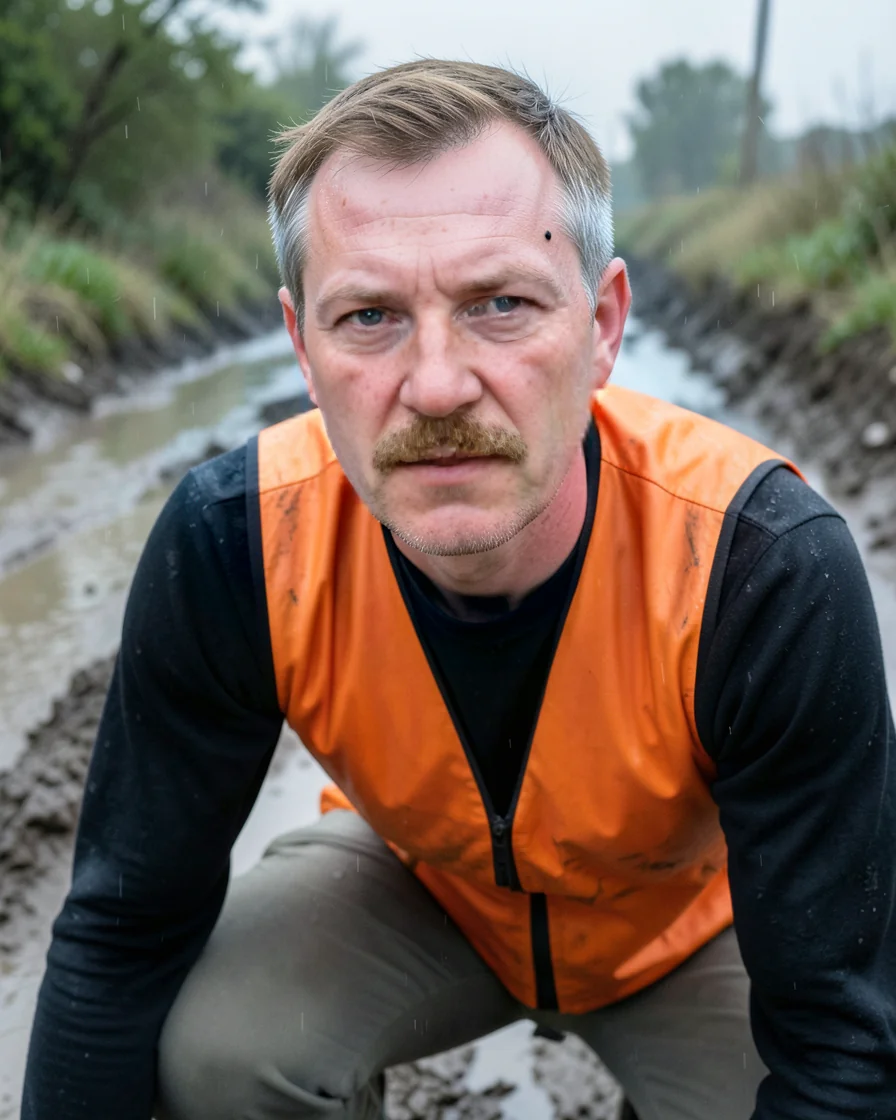
At 5:42 in the morning, the platform in Minsk, Belarus, belongs mostly to the fluorescent lights. I am thirty-eight, a Line 2 driver, and usually the only person waiting when the first train is still out of sight. My boots hold the cold; my orange vest makes the edge of the platform easier to see. I check the clock once, then listen for the signal.
Before the Doors Open
Ten years of early departures have made punctuality a physical habit. I arrive before the clocks are trusted, sign the log, and walk the length of the train. A cup of tea cools beside the control panel. The carriage smells of clean metal and damp coats. I check the doors, mirrors, and brakes without rushing, because rushing is not the same as being early.
Early is measured by readiness, not by how fast a person walks.
The first passengers arrive one by one. A woman in a deep wool coat holds a paper bag against her chest. A man in work boots looks at his watch and then at the tunnel. They do not speak, and I do not ask them to. I am slow to warm to strangers, but I notice their small movements: a stamp of frost from a boot, a missed yawn, fingers tightening around a strap.
A Minute Held Open
When the train appears, I keep the doors open for the final second of the approach. One passenger comes down the stairs quickly, not late but unwilling to miss the minute. I wait until both feet are clear. The door closes, and the train begins. There is no ceremony in this, only a sequence kept properly: signal, brakes, doors, motion.
A minute given to one person is a minute kept for everyone.
Inside the tunnel, the windows turn into dark mirrors. I see the carriage without looking away from the track. The carriage is not empty now. Some passengers read, some stare at the floor, and one child watches the lights pass. I keep speed within the permitted range and my voice even over the speaker. The city above us is waking in separate rooms, unaware of the schedule underneath.
After the Platform Empties
At the terminal, the car empties and returns the silence to me. I inspect what needs inspecting, complete the log, and walk toward daylight. The station clock reads exactly what my own watch reads. Outside, the pavement carries patches of old snow. I buy no newspaper and speak to no one; I simply walk home through the cold, counting the blocks by habit.
The unfinished stool waits on my balcony while the oil cures. Before taking off my work clothes, I look at it once. Tomorrow there will be another early train, another platform, another set of doors that must open on time. I have reached the station first for ten years. The habit still feels less like victory than responsibility.
中文译文
清晨5点42分,白俄罗斯明斯克的站台大多只属于荧光灯。我三十八岁,是2号线司机;第一班列车尚未出现时,通常只有我在这里等着。我的靴子抵御寒冷,橙色反光背心让平台边缘更容易看清。我看一次时钟,随后等待信号声。
开门以前
十年早班让我把守时变成了身体习惯。我比那些还没完全相信时钟的人更早到场,签好日志,沿整列车走一遍。控制台旁放着一杯逐渐变凉的茶。车厢里有清洁金属和湿外套的气味。我不慌不忙地检查车门、后视镜和制动,因为匆忙与早到并不是一回事。
早到衡量的,是准备是否充分,而不是脚步有多快。
第一批乘客陆续到来。一位穿深色羊毛大衣的女士把纸袋抱在胸前。一个穿工作靴的男人先看表,再看隧道。他们没有交谈,我也没有搭话。我不习惯很快与陌生人熟络,但我会留意他们细小的动作:靴底一点霜被跺落,一个没忍住的哈欠,握住吊环时收紧的手指。
多留一分钟
列车出现时,我会为驶近方向的最后几秒多留一点开门时间。一位乘客快步从楼梯下来,他并没有迟到,只是不愿错过这一分钟。我等到他双脚都进入车厢才关门。没有什么仪式感,只有被正确完成的顺序:信号、制动、车门、启动。
留给一个人的一分钟,也是为所有人守住的一分钟。
进入隧道后,车窗变成深色镜子。我看着轨道,同时也能从玻璃里看见车厢。车里不再空了。有人读书,有人盯着地面,一个孩子看灯光从身边掠过。我把速度保持在许可范围内,通过扬声器说话时也保持声音平稳。地面上的城市正在一间间房间里醒来,并不知道地下还有一套时刻。
站台清空以后
到达终点站,车厢空下来,寂静也重新回到我身边。我检查需要检查的部分,填完日志,朝日光走去。车站时钟显示的时间与我的表分毫不差。外面的人行道还留着旧雪的斑块。我不买报纸,也不和谁说话,只是一步一步走回冷风里,靠习惯数着街区的距离。
阳台上的小凳还在等待木油固化。脱下工作服前,我先看了它一眼。明天还会有另一班早车、另一座站台、另一组必须准时打开的门。十年来,我总是先到车站。这个习惯如今不像胜利,更像责任。