Essay
Six Tanks, One Morning Log
六只发酵罐,一本晨间日志
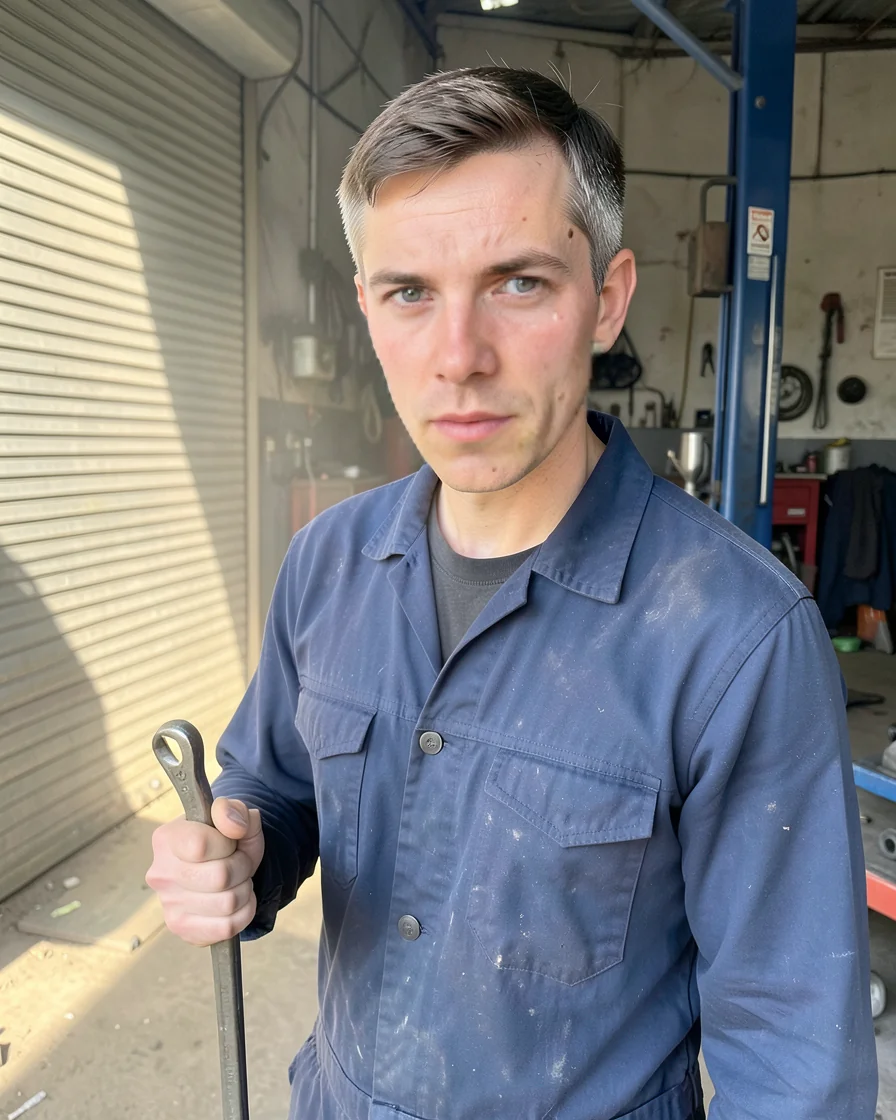
At 5:40 in the morning, I unlock the cold room before the first Montreal streetcar starts its metallic coughing outside. Six stainless fermenters stand beneath the high windows in the Mile End warehouse, each one holding a different stage of the same pale ale. I touch the glycol lines, check yesterday's temperatures, and enter the time in the logbook. The room smells of malt, sanitizer, and rain h
I trained in mechanical engineering in Canada, then spent three years under fluorescent lights in a repair garage, where engines taught me that impatience leaves evidence. A friend eventually led me down to his basement to brew beer, and the work changed direction without my planning it. Now I manage the tanks here in dark blue coveralls marked with malt dust and oil. The measurements are cleaner
The First Reading
The pale ale began at 11.2 Plato and has settled overnight. I draw a small sample through the valve, cool it on the bench, and look for a haze that should not be there. Nothing dramatic. The yeast is active, the aroma is clean, and the temperature has moved only half a degree. In brewing, ordinary mornings are built from small confirmations, although customers usually call the finished result luck
By seven, the first tank has reached the point where I can lower the temperature without chasing the clock. I adjust the glycol, mark the curve on paper, and wipe the valve seat until my glove comes away clean. An old stainless pipe ticks as it cools. I like this interval: the room is awake, but no one is asking me for an opinion, a story, or an explanation for last weekend's batch.
If a tank drifts, patience is no longer a virtue but a missing part.
Saturday night belongs to the bar. I pour small measures, replace glasses, and listen while regulars explain what is wrong with the beer, the weather, and their jobs. Most complaints are better than silence. One man asks whether the bitterness has changed because I have changed the malt supplier; another wants a beer that tastes exactly like his first sip but stronger. I give them the answer I can
Noise After Closing
After the last glass is rinsed, I scrub the lines and count the chairs upside down on the bar. Barley waits near the cold room, his old muzzle lifting whenever a crate lands. He has the right priorities. Customers keep asking which dog is in charge, and I tell them he has never once made a batch for them. He accepts this distinction without argument.
The yeast can wait until morning; Barley cannot wait for the lock to turn.
I turn off the work light but leave the small red lamp over the logbook. The final temperature is written in blue ink, along with the initials of the person who checked it: mine. Outside, the warehouse wall ticks in the cold. Six tanks hold their breath, and I take the stairs down knowing exactly what I will check at 5:40.
中文译文
凌晨五点四十分,首班蒙特利尔有轨电车还没在门外咳出金属声,我就打开了冷库的门。米勒端旧厂房的高窗下立着六只不锈钢发酵罐,各自装着同一款淡色艾尔的不同阶段。我摸过乙二醇管路,核对昨夜的温度,把时间记进工作日志。空气里有麦芽、清洁剂,以及困在老砖墙里的雨味。
我在加拿大念的是机械工程,毕业后在修车厂的日光灯下待了三年;发动机教会我,偷懒总会留下痕迹。后来,一个朋友把我带到他家地下室酿酒,我就这样拐了弯。现在我在厂房里管理发酵罐,常穿沾着麦芽灰和油污的深蓝工装。这里的测量数据比发动机零件干净,规矩却一样:每次变化都要记下,因为烧热的锅可没法投诉。
第一次读数
这款淡色艾尔从 11.2 普拉托开始,昨夜已经稳定下来。我从阀门口接出一点样液,在工作台上降温,检查不该出现的浑浊。没有戏剧性的变化:酵母活跃,香气干净,温度只偏了半度。酿酒里的普通早晨,往往由一次次细小的确认拼成;可客人总把最后的结果叫作运气。
到七点,第一只罐子已经到了可以降温的阶段。我调低乙二醇循环,在纸上描出曲线,把阀座擦到手套不再发黏。一根旧不锈钢管随着降温轻轻作响。我喜欢这段间隔:厂房已经醒了,却没人来问我看法、故事,或者上周末那批酒为什么失败。
如果罐温偏离,耐心就不再是美德,而是缺失的零件。
周六晚上属于吧台。我倒酒、收杯子,听常客们说明啤酒、天气和工作究竟哪里不对劲。大多数抱怨总比沉默好。有人问苦味变了是不是因为换了大麦供应商;有人想要一杯刚入口一模一样、只是更烈的酒。我能回答的就回答,其余留给发酵罐。
打烊后的声响
洗完最后一只杯子,我清理管线,把吧台上的椅子倒扣着数一遍。Barley 总在冷库边等,旧嘴边的毛一抬起,我就知道又有酒箱落地。他分得清轻重:客人总问哪只狗说了算,我告诉他,他从没替谁酿过酒。他对这个区别毫无异议。
酵母可以等到早晨,Barley 却等不了门锁转动。
我关掉工作灯,只留工作日志上方那盏红色小灯。最后一次温度用蓝墨水记下,旁边是检查者的姓名缩写:我的。厂房外墙在寒气里发出细响。六只罐子屏住呼吸,我走下楼,知道五点四十分回来时该先看哪里。