Essay
Choosing Fish at Luanda Dawn
罗安达清晨挑鱼
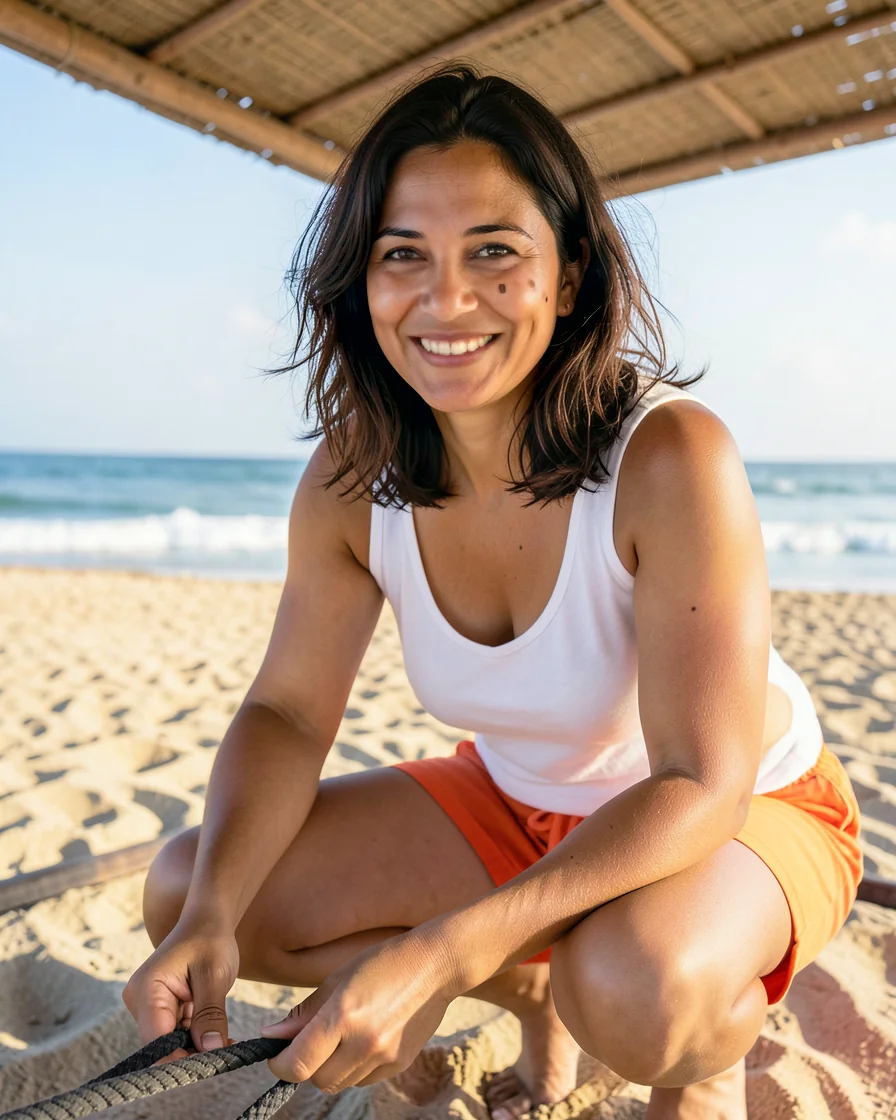
The harbor at first light is all salt, rope, and short conversations. I reach the dock while paint still gleams on the boats and gulls argue over the narrowest edges of the water. Fish are laid out in rows, their scales reflecting the pale sky. I carry my own basins, because I want to decide where each one rests and to keep the morning from becoming a rush.
What the Hands Know
I choose two firm fish for the stew, not the largest ones. The smaller ones hold their shape better, and a clean broth matters more than a dramatic cut. I press behind the gills, lift one eyelid, and notice the color. Once, a seller laughed and called me difficult. I laughed back and paid the price he asked.
Choosing fish is partly trust. I cannot know every hour of their lives, but I can pay attention to what reaches my hands. The seller knows which boats came in early; I know how quickly my six tables will fill. Between those facts, we agree on a basket. Nothing ceremonial happens, only a nod, a few coins, and a fish wrapped for the walk home.
A careful choice feeds more than one meal.
Back at the restaurant, I scrape the scales and rinse the bellies under cold water. Each fish takes a few unhurried minutes because I will not cook them in a hurry. A pot of water waits beside the chopping board, and the morning sun reaches the doorway before it reaches the stove. The first onions go into oil, then ginger, then salt.
The Pot Knows the Time
The stew must barely move. A hard boil breaks the flesh and clouds the broth, while a low simmer lets the flavors settle into one another. I set the pot toward the back of the stove and turn to the cassava. It needs washing, peeling, soaking, and pounding, and it will not forgive a distracted cook any more than the fish do.
While the pot murmurs, I arrange the dining room. Six tables need space for wet umbrellas, small children, work bags, and elbows leaning over lunch. I wipe each surface twice and count the stools. By late morning, the heat gathers near the entrance. The first customers arrive early and move a chair before ordering, a sign I have learned to read.
The pot waits; the room cannot.
At noon, the doorway becomes a border between heat and hunger. I fill bowls with cassava porridge, spoon stew over rice, and carry plates to whichever table calls first. Water glasses need filling, sauces need changing, and the bottom of my pot needs checking. I drink only when a spoon of broth falls onto my wrist and forces me to stop.
The laughter starts again once people are eating. It comes from the corner table when someone discovers a piece of fish in the broth, and from the doorway when a regular calls my stew a little too salty. I protest, then laugh, because the broth is often exactly as I intended. By the end, the empty bowls say more than any menu.
Closing takes another kind of concentration. I count what came in, what remains, and what was added to the tab. Small errors hide in plain sight: one spoon, one fish, one table that changed its order. I write until the numbers settle. Outside, Luanda's traffic thins, and my hands finally become still over the notebook. Sleep can wait until the last line is straight.
中文译文
天刚亮时,港口只有盐味、绳索和简短的交谈。我走到码头时,船身油漆还在晨光里发亮,海鸥正争抢水面最窄的边缘。鱼一字排开,鳞片映着淡色的天空。我自己带着盆,因为我想决定每条鱼放在哪里,也不愿让这个清晨一开始就变成匆忙。
手感知道的事
炖鱼要选紧实的,不选最大的。较小的鱼更能保住形状,干净的汤底也比夸张的切法重要。我按过鳃后,抬起一片眼皮,看鱼眼的颜色。有一次,卖鱼的人笑着说我难伺候。我也笑着回他,然后按他开的价付了钱。
挑鱼也靠一点信任。我不可能知道每条鱼经历过每一个小时,但能留心送到手里的东西。卖家知道哪些船早归,我知道自己那六张桌会多快坐满。在这两件事之间,我们商量好一篮鱼。没有庄重的仪式,只有一次点头、几枚硬币,以及一条包好准备带回家的鱼。
谨慎挑出的鱼,可以养活不止一顿饭。
回到餐馆,我刮掉鱼鳞,用冷水冲洗鱼腹。每条鱼都从容地花去几分钟,因为我不打算急着烹煮。砧板旁放着一锅水,晨光先照到门口,再照到炉灶。最先进油的是洋葱,然后是姜,最后才是盐。
锅知道该用多少时间
炖汤几乎不能翻滚。猛火会煮散鱼肉,让汤变得浑浊;微火才能让几种味道慢慢沉到一起。我把锅移向炉灶深处,转身处理木薯。它要清洗、去皮、浸泡、捣碎,不会比鱼更宽容一个心不在焉的厨师。
锅轻轻响着,我收拾餐厅。六张桌要容得下湿雨伞、孩子、工作包,以及午饭时伏在桌边的胳膊。我把每张桌面擦两遍,再数一遍凳子。临近中午,热气聚到门口。第一批客人提前来了,还没点菜便挪动椅子;我已经学会从这种动作里看出午市将至。
锅可以等,餐厅不能等。
到了正午,门口像一道隔开暑热与饥饿的边界。我盛木薯糊,把炖鱼浇在米饭上,端着盘子走向最先出声的桌。水杯要添,酱汁要换,锅底也要看。直到一勺汤落到手腕上,烫得我停手,我才喝上一口水。
人们开始吃饭,笑声也回来了。角落那桌有人在汤里发现一块鱼,笑出了声;老顾客在门口说我的炖鱼又咸了,也惹来一阵笑。我先辩解,随后承认,因为那锅汤往往正是我想要的味道。到最后,空碗比菜单说得更多。
打烊需要另一种专注。我核算进货、余下的食物和记在单上的账。小错就藏在明处:多出一把勺子,一条鱼,或一张桌临时改过单子。我一直写,直到数字安稳下来。门外的罗安达渐渐少了车声,我的双手终于停在账本上。直到最后一行写直,我才能睡去。