Essay
Cutting Leather Before the Opera Season
歌剧季前裁皮
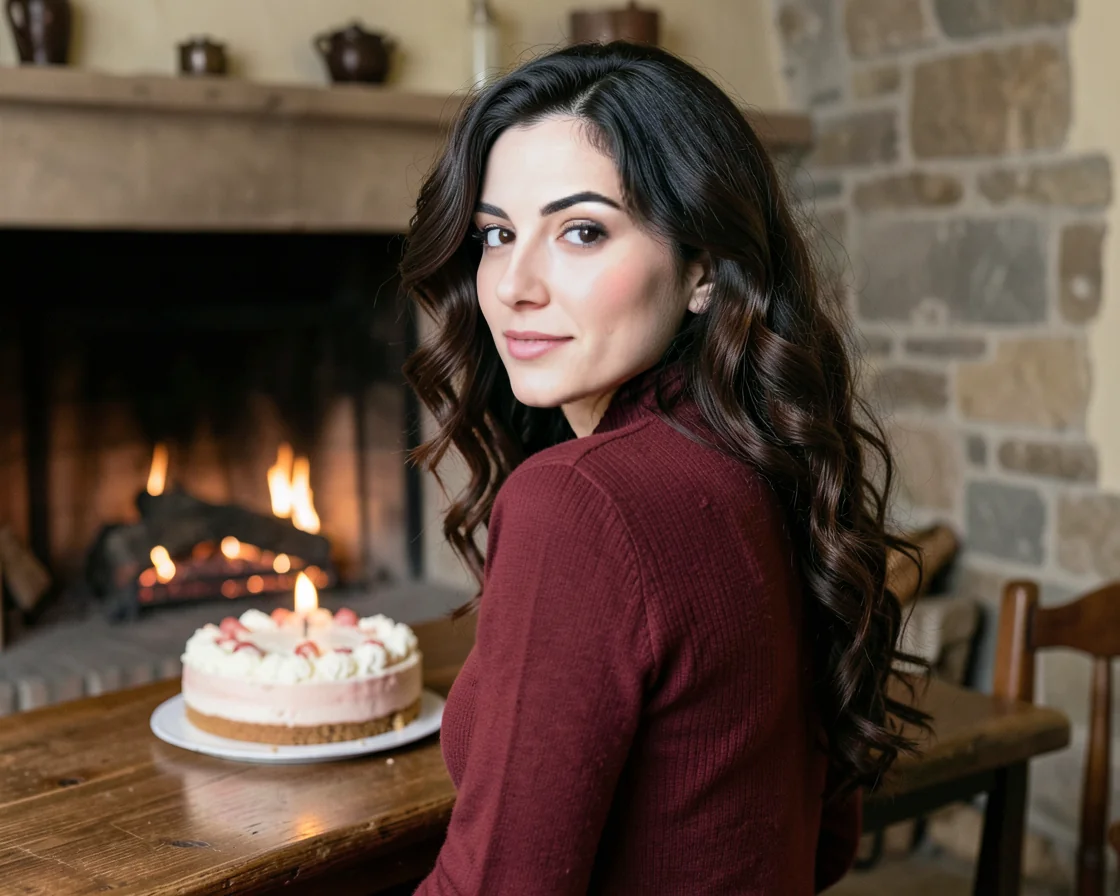
At thirty-four, I begin most autumn commissions in Florence, Italy, before the city has finished its August heat. I sit near the workshop window with a piece of vegetable-tanned leather spread across the table, turning it until the light catches the grain. The streets are still quiet then. Nearby cafés open late, and the first rehearsal of the opera season is usually weeks away. I want the bag to
This season's piece was a deep oxblood hide, chosen after I rejected two glossy surfaces that looked convincing in a shop sample. In my workshop, color is not a label but a negotiation: the dye must settle into the leather without hiding its small scars or tonal variations. I mark the panels in chalk, leaving the least perfect sections near the base. A bag that meets the body will be touched, bent
The Hide Decides
The old way does not mean every edge must imitate my grandfather's tools. It means knowing which pressure the material can accept and where a machine will make the stitch too uniform. I test the fold around a wooden form, press it, unfold it, and wait. The leather has a memory. If I ignore that memory, the finished bag will pull away from the body on the first long evening and ask its owner to car
A good hide gives me limits, and good limits make the pattern quieter.
I cut the gusset last, with the small crescent scissors my mother kept in a kitchen drawer before I learned to use them properly. They are not suitable for every seam, but their narrow tips let me follow a curved line without wasting the hide. The handle is rolled by hand and stitched with two needles, each pass drawn tight before the next begins. The work is slow; slowness is not the purpose. Con
At noon I leave the workshop and walk across the Arno with the prototype in a cloth bag. The hardware is deliberately plain: an aged brass clasp, two small rings, no brand pressed into the leather. I turn the bag once in my hands. It is smaller than the drawings suggested, which is usually a sign that the first plan was talking too much.
A Test Under Light
At the afternoon rehearsal, a singer arrives in a wool dress the color of dark wine, complaining that a pocket interrupts the line of her coat. I had made no pocket, but the bag explains the problem better than a drawing could. We place it at the waist, then lower it to the hip. The clasp catches the light, not the stage. She asks whether a quieter fastening would work; I agree. The best change co
If the object disappears into the costume, the construction has done its job.
The revised clasp takes another week. During that time, I make a second sample in charcoal suede, then reject it because the nap changes direction under every touch. The oxblood version remains. Its handle develops a dark polish where fingers naturally close, while the corners keep their original roughness. This difference will grow more noticeable with use. I record it in the order book, not as a
On delivery evening, I return to the studio and find the chalk marks still on the cutting table. The city outside is carrying fragments of the rehearsal: a singer warming up in the next courtyard, a taxi waiting under a lamp, the damp smell of stone after rain. I sweep the leather dust into a tin and close the shutters. Another season has started, and the first bag has already left my hands.
I keep the rejected pattern folded in the drawer for a month. It is too broad, too polished, and almost useless beside the bag I chose. Still, it records a version of my judgment from before the season began. Comparing the two makes me adjust the next cutting list: leave more margin at the handle, use a smaller clasp, and order the oxblood hide earlier. A design becomes clearer through what gets r
中文译文
我三十四岁,常在意大利佛罗伦萨的八月暑气尚未退尽时开始秋季委托。我把一块植鞣皮铺在工作台上,侧身坐到窗边,直到光线掠过皮面,纹理才显出来。那时的街道仍很安静,附近的咖啡馆很晚才开门,而歌剧季的第一次排练通常还要数周之后。我希望这只包抵达时也有同样的克制:实用、准确,不急着解释自己。
这一季的皮料是一张深酒红色的皮。我在两块店铺样品上挑中了它之前,先否掉了两种看似合适的亮面。工作室里的颜色不是标签,而是一场协商:染液应沉入皮革,不能盖住细小的伤痕和色差。我用粉笔画出裁片,把最不完美的部分留给底部。包会贴着身体,被触碰、弯折、放下;它应该显出使用,却不能显得损坏。
皮革自有决定
所谓旧法,并不是每一道边缘都要模仿祖父的工具,而是要知道材料能承受多大的压力,也要知道机器何时会把针脚做得过分齐整。我绕着木模试折皮面,压住,展开,再等一会儿。皮革有记忆;如果我无视它,成品在第一个漫长的夜晚就可能从身体上松脱,让主人替我承担本可避免的缺陷。
好皮革会限制我,而恰当的限制能让版型更沉静。
侧片总是最后裁。我用母亲从前放在厨房抽屉里的小弯剪,在学会正确使用它们之前,它们一直躺在那里。它们并不适合每一种缝线,但狭窄的剪尖能让我沿弧线走,不必浪费皮料。提手由手工卷制,两根针交替穿过,每次拉紧后再开始下一针。动作很慢;慢不是目的,一致才是。
我把样包放在布袋里,午间离开工坊,走过阿尔诺河。硬件刻意做得朴素:一只做旧黄铜搭扣、两个小环,皮面上没有压印品牌。我把包拿在手里转了一圈。它比图纸上显得更小,这通常说明第一版方案说得太多。
光线下的检验
下午排练时,一位歌手穿着深酒红色羊毛裙,说口袋打断了外套的线条。我本来没做口袋,但包比图纸更清楚地说明了问题。我们先把它放在腰侧,再降到胯部。搭扣接住一点光,却没有抢走舞台上的目光。她问能否换成更安静的扣法;我同意。最好的修改,往往来自看见某个人有片刻忘了这只包。
当物件融进服装,结构就完成了它该做的事。
修改搭扣又花了一周。我另做了一只炭灰色麂皮样包,随后否掉它,因为绒毛在每次触摸后都会倒向不同方向。酒红版本留了下来:提手在手指自然握住的地方渐渐磨出深色光泽,四个角却保留原来的粗粝。这一点差异日后会更明显。我把它记进订单册,不作为瑕疵,而是包开始属于主人时留下的刻度。
交付当晚,我回到工作室,裁料桌上的粉笔线还在。窗外的城市带着排练留下的片段:下一座院子里暖嗓的歌手,灯下等候的出租车,雨后石头潮湿的气味。我把皮革粉尘扫进铁罐,关上百叶窗。新的一季已经开始,而第一只包已经离开我的手。
我把被否掉的纸样在抽屉里折了一个月。它太宽、太亮,和最终选定的包相比几乎无用,却仍保存着季初那一版判断。对照之后,我修改了下一张裁料单:提手多留余量,搭扣换小,酒红皮料提早订购。被舍弃的部分,同样能让下一只包更准确。