Essay
Midnight Proofing Under One Lamp
一盏灯下的午夜校样
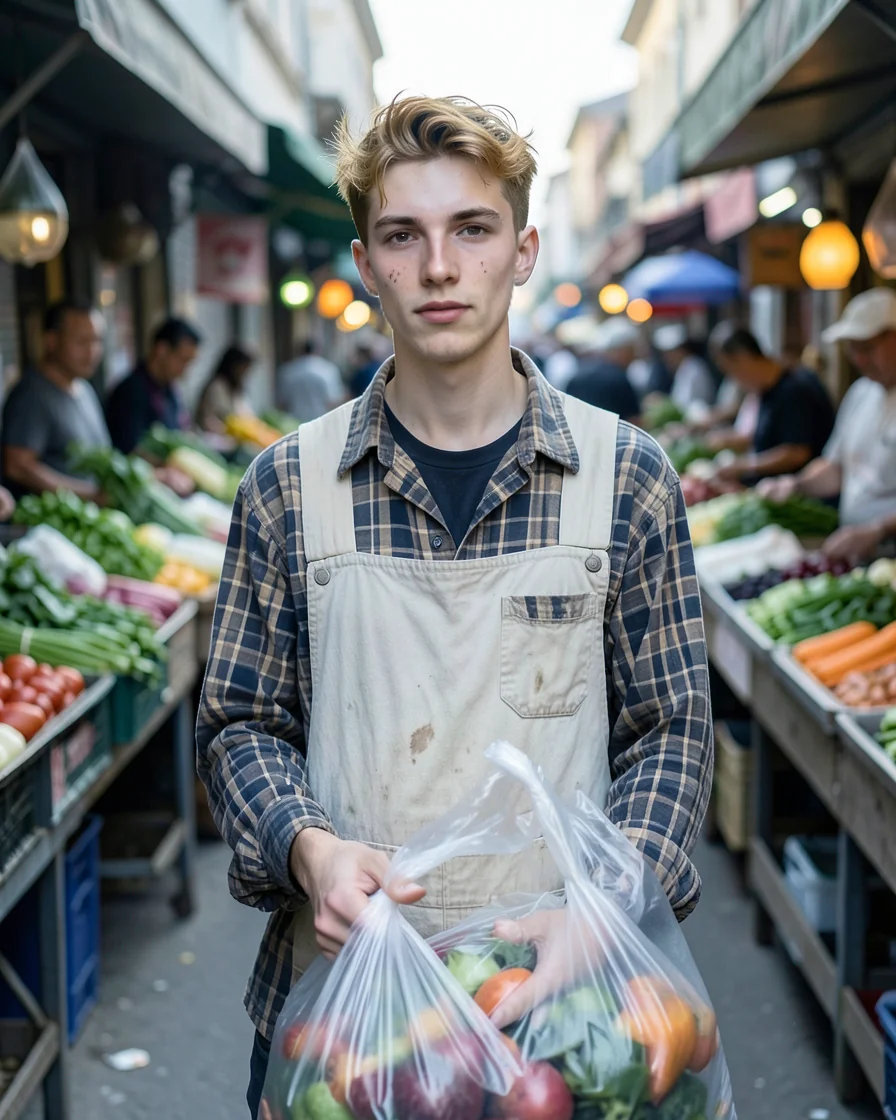
After my evening class, I stayed in the printmaking room wearing the faded off-white vest that had seen three weeks of deadlines. The heater clicked beside me, and one lamp made a yellow circle on the table. I arranged twelve damp sheets by the wall, each labeled in pencil, while the rest of Plovdiv dimmed beyond the high windows.
These were proofs from a zinc plate cut with broken lines, meant to show fractures without becoming an illustration of them. I had rolled the ink too heavily again. My plan was to pull one clean edition overnight, but the first sheet already had a gray halo around the central mark. I turned it face down and reached for another.
Twelve Sheets, Seven Survivors
I laid out the fresh paper and pressed each sheet with a smooth disk wrapped in the back cover of an old notebook. The pressure needed to be even but not severe. At one in the morning, four sheets were unusable. I separated them with a blank proof and started the next sheet before the ink could dry.
The seventh sheet was good enough, but I made the eighth.
My shoulders tightened after the fifth pull, and the old vest had begun to smell faintly of solvent. I opened the window for air, though it was still too cold, and returned to the table. Outside, a late bus moved along the street and dragged its lights across the ceiling. Inside, the lamp buzzed at the same pitch.
The Last Impression
For the final print, I cleaned the plate twice and waited until the ink sat evenly in the grooves. The first pull came away clean at the corners but weak through the center. I laid it on the wall and looked at it from the side, the way my teacher had shown us. A print that works should survive being seen badly.
I keep the flawed sheet because it is the only one that still surprises me.
I signed the edition at the bottom edge, numbered seven prints, and rolled them in two tubes. The rejected sheets went into a flat bag. At 2:40, I switched off the lamp, checked the heater twice, and left the building with the tubes held against my chest like awkward boards.
In the square, two skaters were still moving under the floodlights. I set the print tubes beside a low concrete ledge and tried a few flat-ground flips in my socks. The boards were faster and louder than my paper, but they were familiar. Each landing reminded me to look again instead of trusting the first impression.
The last bus was full enough that I had to stand with the tubes vertical between my feet. Someone shifted a newspaper against my arm, and I steadied the papers before the bus jolted. On the ride back, I could not see Plovdiv clearly through the window, only my own reflection and the dark shapes of the print tubes.
At home, I pinned the successful edition to the wall above my desk and left the imperfect one face down. The blue-black lines looked heavier in the morning. I did not regret the sleepless night, but I made coffee before touching the plate again, because tired hands should not decide what a line means.
中文译文
晚课结束后,我穿着那件陪自己熬过三周截止日期的米白色旧背心,留在了版画教室。旁边的暖气不断轻响,一盏台灯在桌面照出一圈黄光。我把十二张微湿的纸靠在墙边,逐张用铅笔编号;高窗外,普罗夫迪夫正一点点暗下去。
这些是从锌版上印出的校样,版面刻着断续的线,本来是想表现断裂,而不是把断裂画成插图。我又一次把油墨推得太厚。原计划是熬通宵印出一套干净的成品,可第一张的中央已经有了一圈灰晕。我把它扣在桌上,伸手去拿下一张。
十二张纸,七张留下
我铺好新纸,用一只包着旧笔记本封皮的圆盘逐张压印。力道必须均匀,又不能太重。凌晨一点,已经有四张无法使用。我拿一张空白校样把它们隔开,趁墨还没干,立刻开始压下一张。
第七张已经够好了,但我还是印了第八张。
拉到第五张时,我的肩膀开始发紧,旧背心上也有淡淡的溶剂气味。我推开窗透气,尽管外面仍然很冷,然后又回到桌前。街上一辆末班公交驶过,车灯拖在天花板上;屋里的台灯恰好发出同样的低鸣。
最后一次压印
最后一张之前,我擦洗了两次版面,等油墨均匀地停在刻线里。第一次揭纸时,四角很干净,中间却太淡。我把它铺到墙上,侧着看,就像老师教过的那样。一张真正成立的版画,即使被糟糕地观看,也应该站得住。
我留下那张有缺陷的纸,因为只有它还让我意外。
我在底边签下名字,把七张成品编号,再分成两卷。废稿则塞进一只扁袋。凌晨两点四十,我关掉台灯,两次确认暖气已经熄灭,才抱着纸卷离开building。纸筒贴在胸前,形状 awkwardly 像两块不便拿的滑板。
广场上还有两名滑手在灯下移动。我把纸筒放在低矮的水泥台边,穿着袜子做了几次平地翻板。板子比纸更快,也更响,但我熟悉它们。每一次落地都在提醒我,再看一遍,不要相信最初的印象。
末班公交上的人已经很多,我只能站着,把纸筒竖直夹在两脚之间。车身晃了一下,有人的报纸碰到我的手臂,我赶紧扶稳纸卷。回程途中,窗外看不清普罗夫迪夫,只能看见自己的倒影,以及纸筒映出的暗色轮廓。
回到家后,我把成功的作品钉在书桌上方,将有缺陷的那张反扣着。清晨再看,那些蓝黑色的线似乎更重了。我并不后悔熬了一夜,但重新碰版之前,我先煮了咖啡,因为疲惫的手不该决定一条线的意义。