Essay
Restoring a 1974 Steel Frame
修复1974年的钢制车架
The bicycle came in on a wet Tuesday, its rear wheel still turning from the street. It was a 1974 steel frame with faded Dutch lettering on the head tube, and the owner had wrapped the handlebars in brown paper. I recognized its weight before I checked the brakes. My narrow shop in Saint-Gilles, Brussels, has stood for thirty years without a proper renovation, and bicycles like this usually arrive
I began with the rear triangle, where rust had opened a seam around the dropout. Beneath the black paint there was burgundy, and beneath that, a pale green layer from the original Belgian city frame. Each color was a date I could read without a manual. The owner wanted it sealed and black. I told her I would keep one small crescent of the old green visible, high by the seat tube, where only a pers
What the Frame Remembered
Steel frames of that period were heavy, but not clumsy. The tubes were thin enough to flex under a rider and thick enough to carry a rear rack for years. I checked the fork crown for hidden cracks, drew the chainstay with a blue pencil, and pressed the headset bearing against its race. The Dutch word for a bicycle, fiets, still appears in my notebook beside measurements; my father used it when tel
Cleaning took most of the afternoon. I loosened the headset, coaxed the seat post free with penetrating oil, and left the frame turned upside down so the old grease could run toward the bench. The chain was black with age, yet its links still closed cleanly. I kept it on a cloth, along with two rusty washers and a brake cable whose outer sheath had cracked. An old bicycle rewards patience because
Every repair begins with the decision to leave one small scar.
By five, the frame shone under the work lamp. I fitted the refurbished wheels, adjusted the rear brake by fractions, and listened while the owner rolled it along the curb. She wanted the bell to stay silent. I respected that, though I would have chosen a brighter brass one myself. The machine left with its original paper wrapped around the bars and the green crescent still hidden under the saddle.
Grease and Cold Water
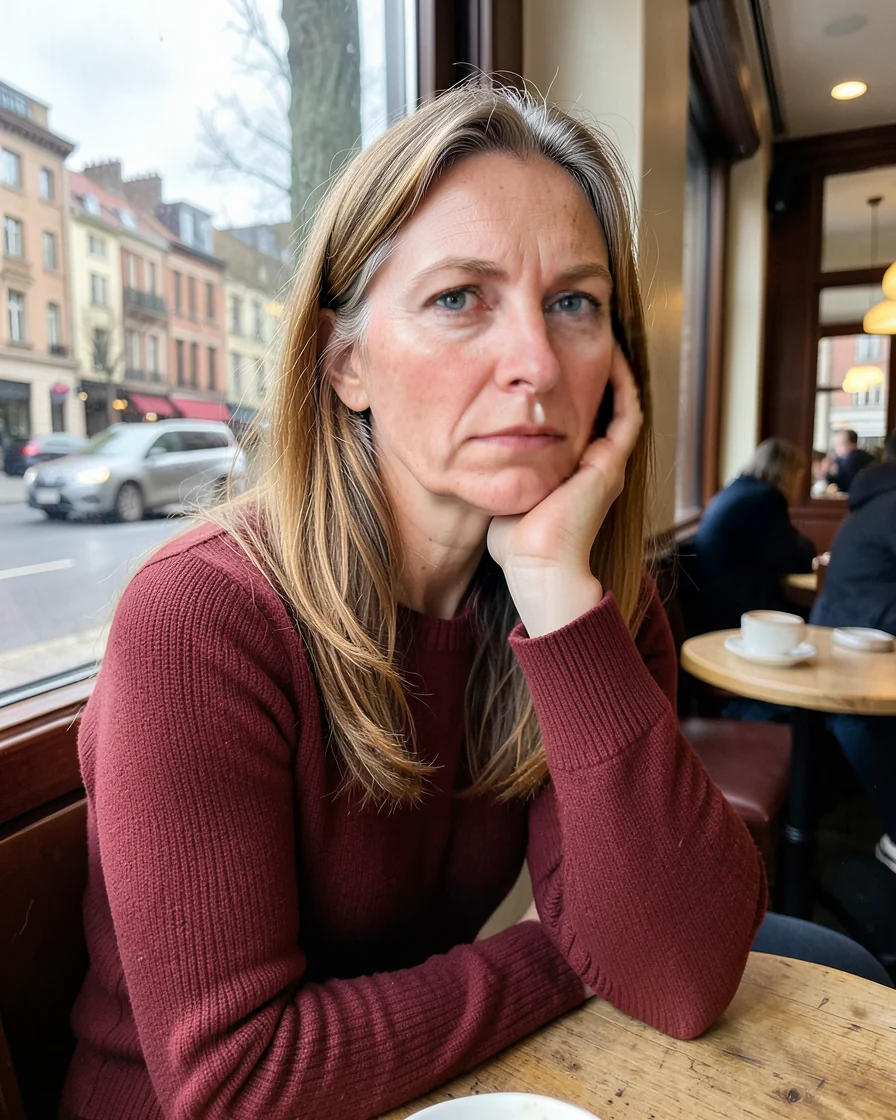
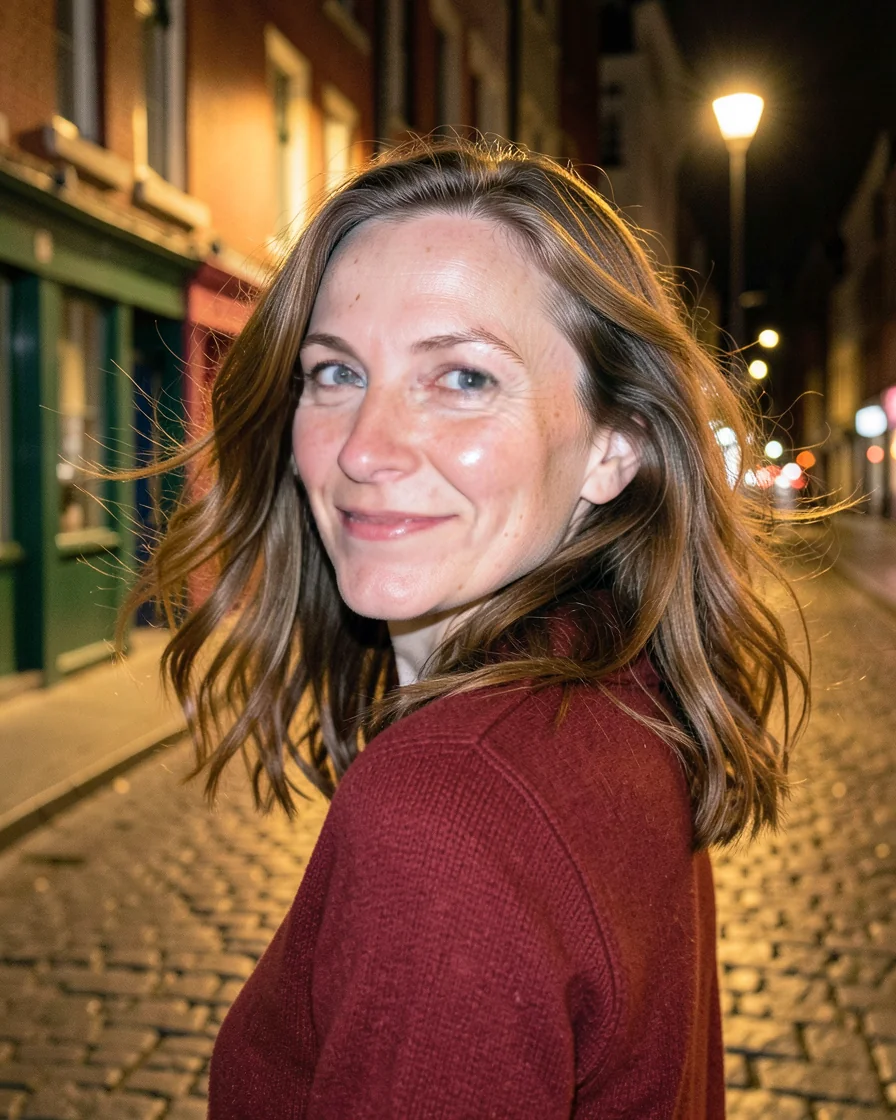
My burgundy knitted cardigan caught a dark line of machine oil along one cuff. I noticed it only after the customer had gone, when the shop had gone quiet enough for me to hear rain in the gutter. For years I have washed my hands in the alley with cold water before taking anything home. The sharp shock wakes my fingers; the oil leaves anyway, settled into the creases beneath my nails.
I live alone, so the evening routine is brief but exact. I unlock the shop, empty the tray of small screws, put the kettle on, and eat at the same table where I sometimes sort receipts. There is no one to tell me whether the oil smell is too strong. I hang the cardigan near the window instead, where it can dry without carrying the whole workshop into my kitchen.
At forty-one, I know the cost of every shortcut. A new wheel would have been simpler; replacing the frame would have erased the green paint and the slight bend that made the bicycle ride as it did. I chose the longer afternoon. On the invoice, I wrote: restored frame, adjusted brakes, rear wheel trued. I did not mention the crescent I had decided to keep.
A repaired bicycle should carry its history without being trapped by it.
中文译文
那辆自行车是在一个下雨的周二送来的,后轮还带着刚从街上骑来的转动惯性。那是一辆1974年的钢制车架,头管上有已经褪色的荷兰文字,车主还用牛皮纸包住了车把。我还没检查刹车,就凭重量认出了它。我的车铺在比利时首都布鲁塞尔圣吉尔区,三十年来一直没正经装修;这样的旧车通常是因为没人愿意接这麻烦活,才会送到我这里。
我先从后三角架下手,锈迹在勾爪周围裂开了一道缝。黑色车漆下面是酒红色,再下面是原车上一层浅绿色。每一种颜色都是一个无需翻手册便能读出的年份。车主想把整辆车封漆并刷黑。我告诉她,我会在座管上方留下一小片原来的绿色,让只有修车的人才能看见。
车架记得的事
那个年代的钢架很重,却并不笨拙。车管细到骑行时会轻微弯曲,又厚得足以承受后货架很多年。我检查前叉冠是否有暗裂,用蓝铅笔标出后下叉,再把头碗轴承压进轴承座。自行车在荷兰语里叫fiets,我至今仍把它写在测量本上,紧挨着尺寸;父亲从前总会用它告诉我先拧紧哪颗螺母。
清洁占去了大半个下午。我松开碗组,用渗透油把座管一点点震松,再把车架倒置,让旧油脂流向工作台。链条乌黑,但每一个链节都还能利落地闭合。我把它放在布上,旁边留着两个生锈的垫圈和一根外皮开裂的刹车线。旧自行车值得耐心,因为它们的故障很少同时出现。
每次修复,都始于决定留下一点小伤疤。
到五点,车架已经在工作灯下有了光泽。我装好翻新后的车轮,微调后刹,听着车主沿路缘试骑。她希望车铃保持沉默。我尊重这个选择,不过换作我,会选一只更亮的黄铜铃。她走时车把仍裹着原来的纸,绿色那一角也仍藏在鞍座下面。
机油与冷水
我的酒红色针织开衫袖口沾上了一道机油污痕。客人走后我才注意到,那时店里安静得只剩雨落进排水沟的声音。多年来,我总会先到后巷用冷水洗手,再把任何东西带回家。刺骨的凉意能让手指醒过来;油污却会留下,嵌进指甲缝的细纹里。
我独居,所以晚间的流程简短却固定。我锁好店门,倒掉小螺丝托盘里的残余,架起水壶,有时就在我偶尔整理收据的同一张桌子旁吃饭。没人会提醒我身上的机油味是否太重。我把开衫挂在窗边,让它干透,却不把整间工坊带进厨房。
四十一岁以后,我懂得每一次偷工减料的代价。装一只新车轮会省事得多;换掉车架则能抹去绿色车漆,以及让这辆车骑起来别有味道的那一点弯。我选择了更长的那个下午。发票上只写了:车架修复、刹车调整、后轮校正。我没有写下自己决定留下的那片绿色。
修好的自行车应当带着自己的历史,而不是被历史困住。