Essay
Araimandi, and the Third Speed
半蹲,以及第三速度
My teacher's studio is above a hardware shop in Matunga, and the stairwell smells of incense and wet cement. Class is at seven on Saturday morning, which means I am on a local train while most of my team is still asleep. I have been going for four years. I still cannot do the third speed of the tirmanam without counting under my breath.
The body as a second codebase
People find it strange that a software engineer spends her weekends learning a dance that was codified centuries before anyone invented a compiler. But the two things use the same part of my head. There are rules, and there are reasons behind the rules, and there is the long slow work of getting the small things exactly right before you are allowed to make them beautiful.
The adavu does not care how you feel about it. It only cares whether your knees remember.
My teacher is seventy-one and corrects posture with two fingers. She does not explain much. She says the explanation is in the repetition, and at first I thought that was a way of avoiding explanations, and now, four years later, I think it is simply true. You can describe araimandi to someone for an hour, and she will still be standing too high.
What the office cannot teach me
Work rewards speed. Dance rewards exactly the opposite: the same eight counts, again, until the count stops being something you do and becomes something you are inside of. On Monday I go back to standups and pull requests, and honestly I am better for it. I am less impressed by my own cleverness. Anyone who has held one posture for four minutes in front of a mirror will say the same.
"Again," she says. And then she says nothing else for twenty minutes.
There is one more thing. My grandmother danced, in a small town, in a hall with a tin roof. She never saw a real stage; she saw school functions and weddings. When I send her videos she watches them twice and comments only on my posture. She is right, always. Between her eye and my teacher's two fingers, I have the best code review of my life, and it has nothing to do with software.
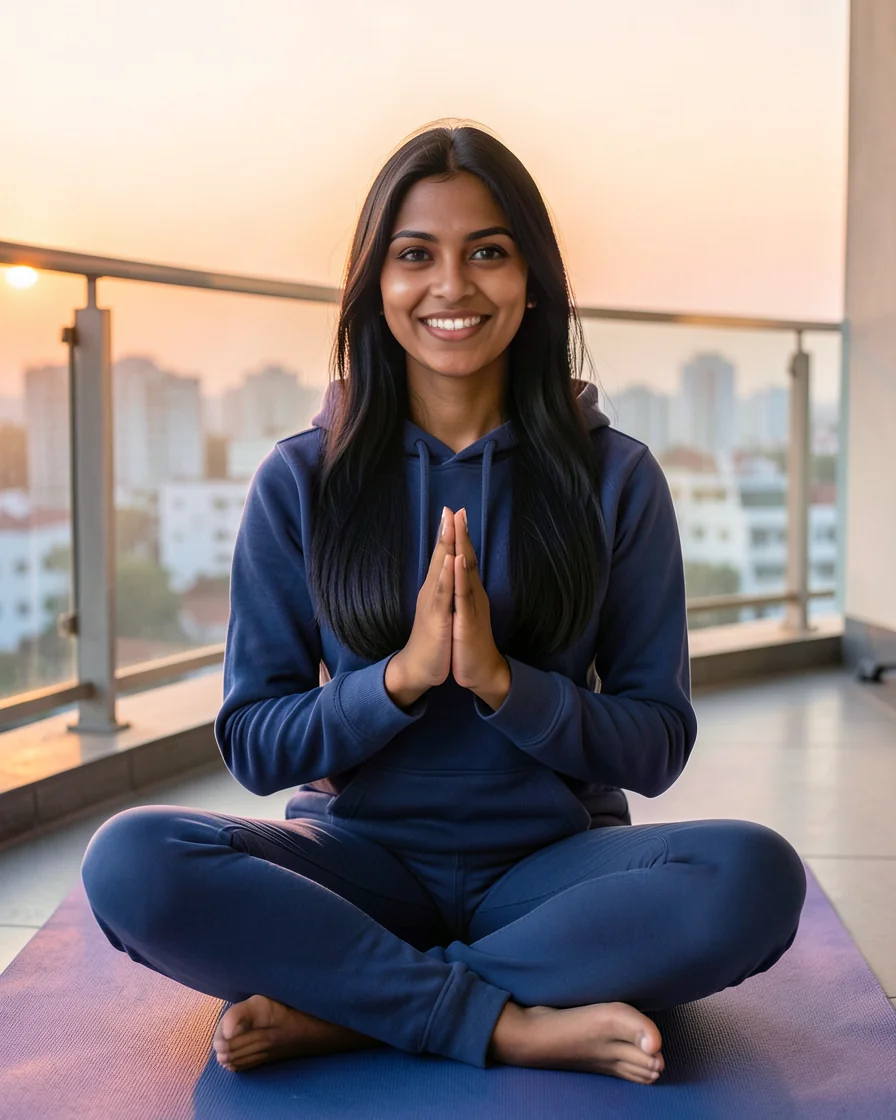
On Sundays I practise on the balcony before the heat arrives. Six in the morning, the neighbours' water pump running, crows on the parapet. I wear old clothes and no music, because the metre has to come from inside. By seven the light is already too sharp, and I go in, make coffee, read the news, and the day is ordinary again.
中文译文
老师的舞蹈室在马通加一家五金店楼上,楼梯间有香灰和湿水泥的味道。课在周六早上七点,所以我坐上本地火车的时候,团队里大多数人还在睡。我学了四年,可提尔马南的第三速度,还是得在嘴里默默数着拍子才跟得上。
身体是第二套代码库
有人觉得奇怪:一个软件工程师,周末去学一门在编译器被发明前几百年就已经编定成章的舞蹈。可这两件事用的是我脑子里同一个部分。有规则,规则背后有理由,而在你被允许把它们做美之前,先要花很长时间把那些小地方做对。
阿达武不在乎你对它有什么感受,它只在乎你的膝盖记不记得。
老师七十一岁,用两根手指纠正姿势。她很少解释,说解释就在重复里。起初我以为这是回避解释的说法,四年之后我明白,这就是真的。你可以花一小时向一个人描述半蹲,她站起来的时候,还是太高。
办公室教不了我的事
工作奖励速度,舞蹈奖励的恰好相反:同样的八个拍子,再来一遍,直到拍子不再是你做的事,而是你身处的里面。周一回到站会和拉取请求,我反倒更好了。我不那么看得起自己的小聪明了。对着镜子把同一个姿势撑过四分钟的人,都会这么说。
「再来。」她说。然后二十分钟里,她什么都没再说。
还有一件事。我祖母跳过舞,在一个小城、一间铁皮屋顶的礼堂里。她从没见过真正的舞台,见过的只有学校汇演和婚礼。我把视频发给她,她看两遍,只评论我的姿势。她永远是对的。她的眼睛,加上老师的两根手指,是我这辈子最好的代码评审,虽然跟软件毫无关系。
周日我在阳台练,赶在热气升起来之前。清晨六点,邻居家的水泵在响,乌鸦停在矮墙上。我穿旧衣服,不放音乐,因为节拍得从身体里面出来。到七点,光已经太利,我进屋煮咖啡、看新闻,一天又变得寻常。