Essay
The First Cut Comes Before the Machine
第一剪,在机器之前

The sample room is cold in the morning because the air conditioning runs all night and nobody switches it off. I arrive before seven, turn on the tube light, and lay the day's pattern paper along the long table. The floor is quiet. For about twenty minutes the only sounds are my pencil and the ceiling fan.
By nine the cutting floor is loud. Four hundred meters of fabric go down in layers, and the marker has to fit on it like a sentence that cannot run one line longer. If I am wrong by a centimeter at the edge, someone downstream loses an hour. I check the notches twice, then a third time.
Two Millimetres of Doubt
There is a moment before the blade goes down when I hold my breath. The cloth does not argue. It does exactly what the cut tells it to do. A sleeve that hangs wrong on a sample is usually not a sewing fault; it is a decision I made at a table at seven in the morning.
Cloth keeps the shape of your first mistake.
Faruk, the sample tailor, has been doing this longer than I have been alive. He never tells me the pattern is wrong. He lifts the piece, tilts his head, and says, try again, apa. Then I go back to the table and hunt for the two millimetres.
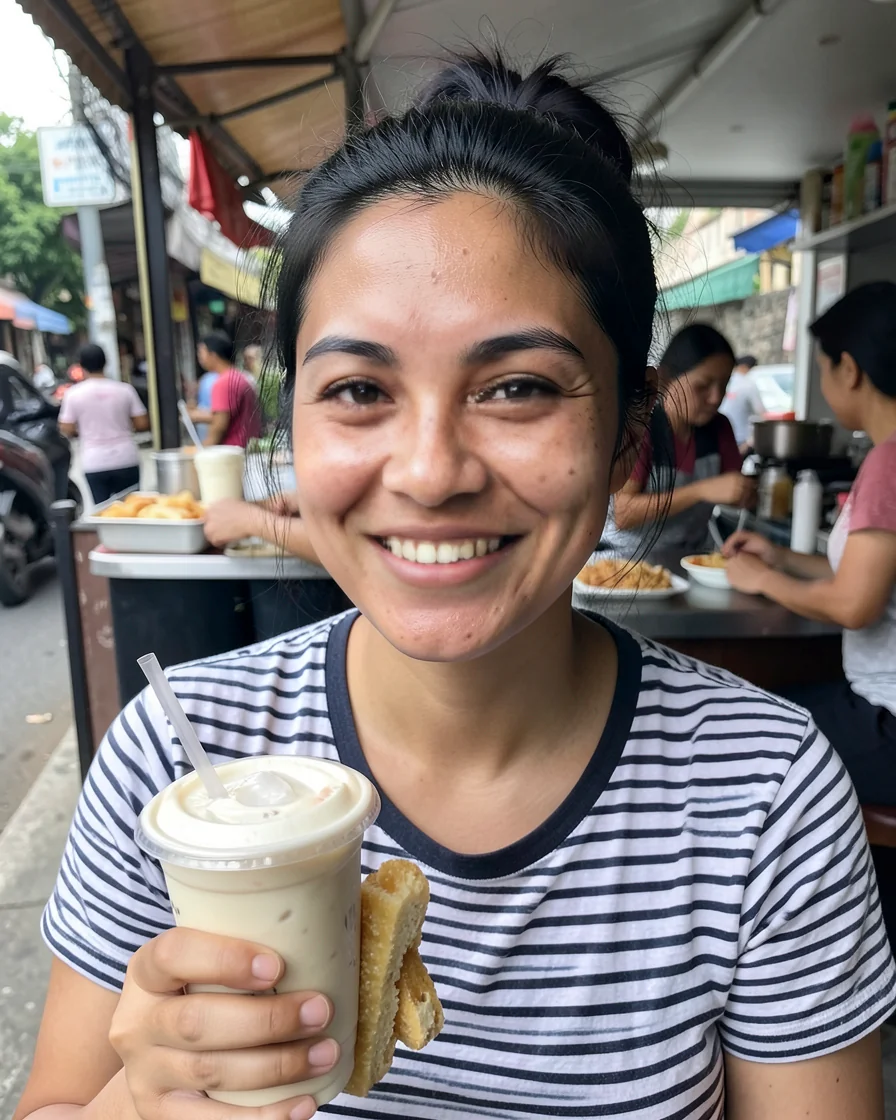
During bulk orders we work two weeks without a Friday. I survive on the stall at the gate: a glass of milk tea, two dal puri, and a boiled egg if the man is in a good mood. I eat standing up, watching the trucks, and go back inside.
What I Keep in the Drawer
The bottom drawer of my table holds a folder nobody at the factory has seen. Inside are eleven patterns I cut for myself at night from remnants: a shirt with a strange collar, a dress with three seams, a jacket I redesigned four times. None of them have been sewn. I am not ready, but the paper is.
At home my mother stands on a stool with her arms out while I pin the sides of whatever she wants shortened. She complains that I take too long. She is right. With her I am slow on purpose, because it is the only hour of the day when nobody is waiting for four hundred pieces.
I want to make five or six pieces a month and know every seam by name.
That is what I am saving for. Not a factory, a room: one machine, a cutting table, a window that opens. Five or six pieces a month, sold to people who will tell me honestly if the shoulder sits wrong. The money grows slowly. I count it on the bus home and put it back in the envelope.
中文译文
早上样衣间是冷的,空调开了一整夜,没人关。我七点前到,开灯,把当天的打版纸铺在长桌上。地面很安静。有那么二十分钟,整层楼只有铅笔和吊扇的声音。
到九点,裁剪车间就吵起来了。四百米布一层层铺开,纸样得刚好排进去,像一句话不能多出一个字。如果我在边缘差了一厘米,下游的人就要少睡一小时。刀口我核两遍,再核第三遍。
两毫米的迟疑
刀落下之前有一瞬间,我会屏住呼吸。布不会跟你争,它完全照那一剪的样子走。样衣上袖子挂得不对,通常不是车工的问题,是我早上七点趴在桌上做的一个决定。
布会一直记着你第一个错误留下的形状。
样衣间的师傅法鲁克干这行比我活着的年头还长。他从不说纸样错了。他把裁片提起来,歪一下头,说,阿帕,再来一次。然后我回到桌上,把那两毫米找出来。
赶大货的时候,我们连着两周没有星期五。我靠厂门口的摊子撑着:一杯奶茶,两个炸豆饼,老板心情好就加一个水煮蛋。我站着吃,看着卡车进出,吃完再进去。
抽屉里的东西
桌子最下面的抽屉里有一个文件夹,厂里没人见过。里面是十一个我自己夜里用零头布裁的纸样:一件领子古怪的衬衫、一条只有三道缝的裙子、一件改了四遍的外套。它们都还没缝成衣服。我还没准备好,纸准备好了。
回家以后,我妈踩在凳子上张开手,我给她想改的每一件别侧缝。她嫌我磨蹭。她说得对。跟她在一起我是故意慢的,因为那是一天里唯一一个小时,没有人等我要四百件。
我想一个月只做五六件,每一道缝都叫得出名字。
我在为这个攒钱。不是一间厂,是一个房间:一台机器、一张裁床、一扇能开的窗。一个月五六件,卖给会老实告诉我肩线歪了的人。钱攒得很慢。我在回家的公交上数一遍,再放回信封。