Essay
Teaching a First Timer in July Water
七月的水里教一个新手
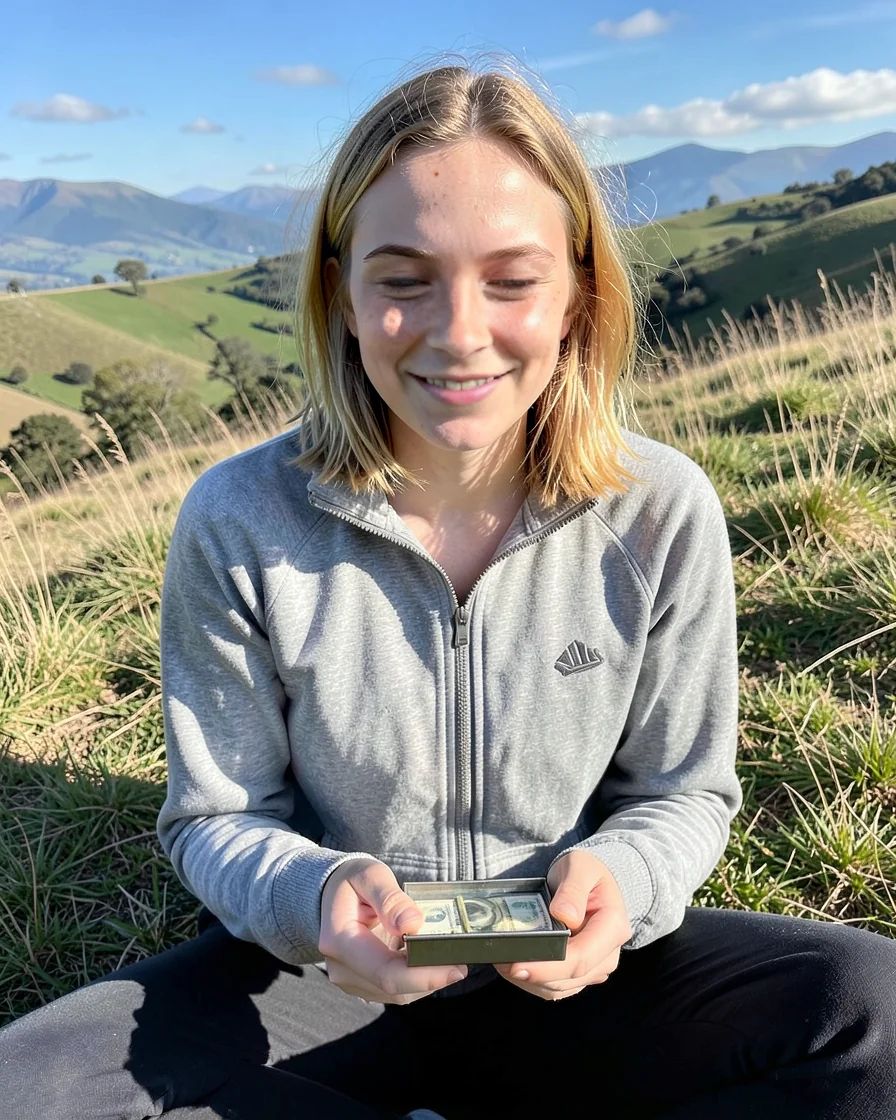
July at Bondi sits around sixteen degrees, and the sand is full of people in puffer jackets with their hoods up, watching the water like it owes them money. I keep the grey jacket on over my wetsuit until the last possible minute, then drop it by the flagpole in a heap I will regret later. Beginners always ask whether it's cold. I tell them the truth. Yes. For about ninety seconds.
Yesterday's group was six. Five of them had come down together from a hostel in the city and spent the whole briefing nudging each other. The sixth was a woman in her forties who mentioned, twice, that she had been putting the lesson off for eleven years. She said it the way people confess things. I gave her the soft-top with the blue rails and walked her down to the white water, where it is shall
What the photographs never show
Nobody takes pictures of the paddling. Everybody wants the shot of standing up, but most of the morning is spent on your stomach with salt running out of your nose, turning a board that gets heavier with every wave. I count out loud for them, because counting gives them something to hold on to. Paddle, paddle, paddle, up. Some mornings I say it thirty times before anything worth photographing happ
You don't learn to surf on the good days. Anyone can stand up when it's clean.
I started teaching at sixteen because the school needed someone small enough to ride in the back of the van between the boards. I grew up four streets from the beach. My father taught me to read a set building out past the flags before I could read an analog clock properly, so the ocean is less a hobby than the thing I measure other things against. Rent. Uni. How far I can stretch a Sunday.
The lesson ends at ten, when the southerly comes through and turns the surface to chop. The woman stood up twice, both times for about a second and a half, both times with her mouth open in a way I have seen on a hundred faces and still like. She apologised for the size of the tip. I told her it goes in the jar with everything else, and gets counted on Sundays.
After the flag comes down
Afterwards I rinse the boards, hang the rash vests, and stand under the outdoor shower until my hands work again. There's a flat white waiting at the corner cafe if I get there before the rush, and another group booked for one o'clock. Six more people who will ask if it's cold. I'll tell them the truth.
中文译文
七月的邦迪水温十六度上下,沙滩上全是把羽绒服帽子扣在头上的人,盯着海看,好像海欠了他们钱。我把灰色运动外套一直穿到最后一刻,才扔在旗杆下面堆成一团,回头肯定要后悔。新手总要问一句:冷吗。我从不骗人——冷,大概冷九十秒。
昨天那组六个人。五个从城里一家青旅结伴来的,整段讲解都在互相捅胳膊。第六位是四十多岁的女人,前后提了两次,说这堂课她拖了十一年。她说这话的语气像在认罪。我把那块蓝色边条的软板推给她,带她走到白浪区,那里浅得能站住脚。
照片里永远没有的那一段
没人拍划水。所有人都想要站起来的那张照片,可一整个上午大半时间都趴在板上,海水从鼻子里流出来,每来一道浪,板就重一点。我给他们数拍子,数出来他们才有东西可抓:划、划、划、起。有时候我喊到第三十遍,才有一点值得拍的事情发生。
好浪的日子学不会冲浪。干净的海面,谁都能站起来。
十六岁开始带课,因为学校需要一个够小、能塞进面包车后座跟板子挤在一起的人。我在离海滩四条街的地方长大。父亲先教我读懂旗子外面正在成形的浪组,后来才教我认表盘,所以海对我来说不太算爱好,更像一把尺子:房租、学费、一个星期天能拉多长,都拿它量。
课在十点结束,南风一进来,海面就翻了。那个女人站起来两次,每次大概一秒半,每次都张着嘴,那种表情我见过一百次,还是喜欢。她为小费太少道歉。我说都丢进罐子里,跟别的一起,星期天再数。
收旗之后
之后冲板、挂防晒衣,站在露天淋浴下冲到手能重新弯曲。要是赶在早高峰前到,街角咖啡馆有一杯平白等着我;一点钟还有一组,六个人,还会问冷吗。我还是照实说。