Essay
The Tank That Went Sour
那罐变酸的酒
Tank six turned on me in the second week of March. I came in at six, before the streetlights on Saint-Laurent had gone off, and the sample from the sample valve tasted like a green apple left in a warm car. Not the good kind of tart. The kind that means something in the tank has already decided for you.
I took a gravity reading twice, then a third time, hoping the hydrometer was lying. It was not. The fermentation had stalled somewhere around 1.030 and a wild thing had moved in to finish the job its own way. Eleven hundred litres. Four days of work. A pitch of yeast that cost more than my first car.
A tank never argues with you. It goes sour and waits for you to notice.
What a garage taught me
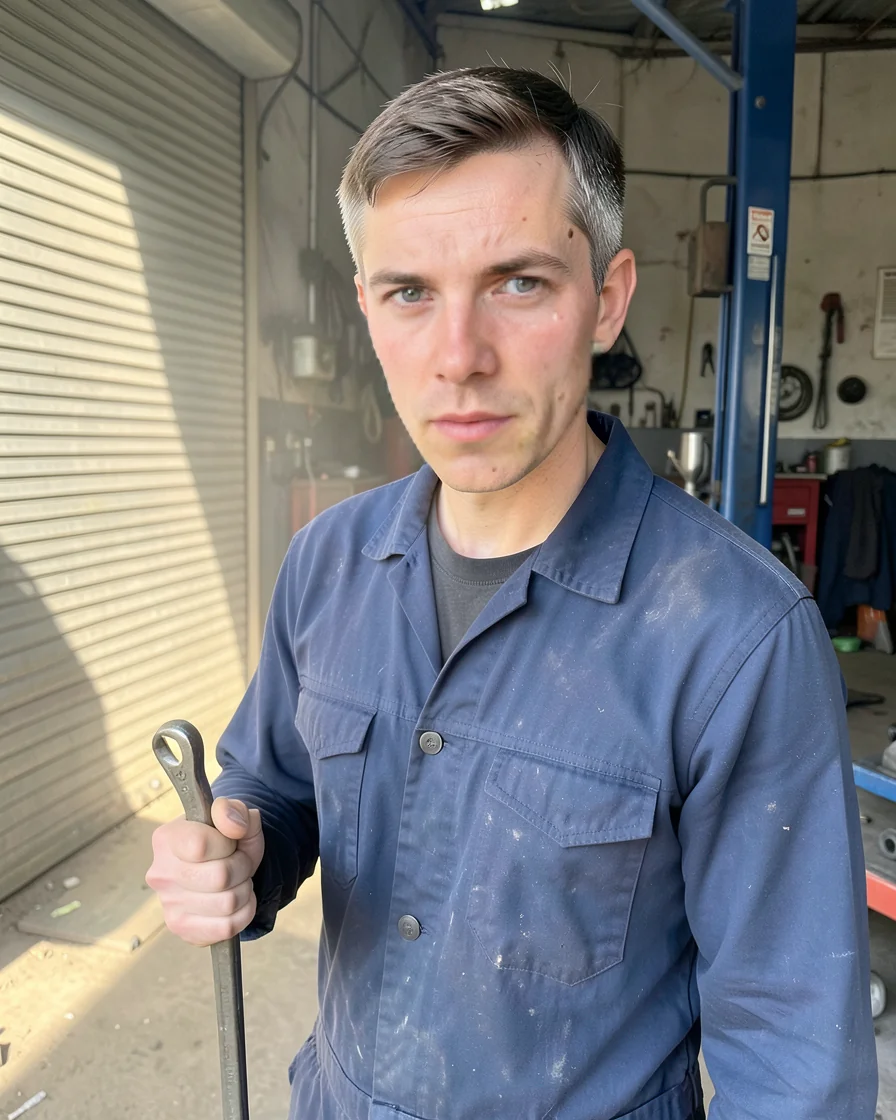
Before this I spent three years under a lift at a shop on Papineau, changing oil and listening to a foreman named Réjean explain that machinery does not care about your intentions. He was talking about brakes. It works for beer. You can be tired, you can be behind on invoices, you can have a dog that needs the vet. The tank has no opinion. It ferments at the temperature you actually gave it.
So I dumped it. Eleven hundred litres down the drain, a sound I will not describe because you have probably heard it. Then I took the valve apart on the floor with a bucket under it and scrubbed until my knuckles were raw, and I did not let anyone help, because the fault was mine and the scrubbing was the honest part of the apology.
Six tanks, one of them watching
By April the other five were fine. Clean, patient, doing what they were told. That is the strange part of this work: failure teaches more than success, and you can only afford a failure every so often. I wrote the whole thing into the logbook in pencil, in detail, and I read it before every pitch now.
You cannot talk a fermenter into forgiveness. You can only clean it properly and start again.
On Saturday I was behind the bar and a regular asked why the pale ale was off. I told him the truth for about forty seconds before his eyes drifted to the hockey game. That is fine. People come here for a pint and a place to complain, not a lecture on diacetyl. Barley handled the rest of the conversation.
I locked up at nine that night. Barley had slept through all of it, curled on the malt sack by the door; he is fourteen and has opinions only about the delivery truck. The street was full of people going somewhere, and I smelled like acid and caustic and probably like defeat, and I walked home anyway, because it was March and the air had finally gone above freezing.
中文译文
三月第二周,六号罐跟我翻了脸。我六点到厂里,圣劳伦街的路灯还没灭,取样阀流出来的那点酒尝起来像一只被忘在暖气车里的青苹果。不是讨人喜欢的酸,是那种意味着罐里有什么东西已经替你做了主的酸。
我量了两遍比重,又量了第三遍,指望比重计在骗我。它没骗。发酵停在 1.030 附近不动,某种野东西搬了进来,按自己的方式收了尾。一千一百升。四天的活。还有一份酵母,比我第一辆车还贵。
发酵罐从不跟你争辩。它只是变酸,然后等你发现。
修车厂教我的事
在那之前,我在 Papineau 街一家修理厂的举升机下待了三年,换机油,听一个叫雷让的工头讲:机器不在乎你的心意。他当时说的是刹车。这话放在啤酒上也成立。你可以累,可以账单没结,可以狗等着看兽医——罐子没有意见,它只按你实际给它的温度发酵。
所以我把它排了。一千一百升顺着地漏走,那声音我不打算描述,你大概也听过。然后我蹲在地上拆阀门,底下放一只桶,刷到指关节发红,没让任何人帮忙——错是我的,刷洗是这场道歉里唯一老实的部分。
六个罐,其中一个在看着
到四月,另外五个罐都还好。干净、有耐性、照着吩咐做事。这行的怪处就在这儿:失败的教益比成功多,而你只偶尔付得起一次失败。我把整件事用铅笔写进记录本,写得很细,现在每次投酵母之前都翻一遍。
你没法跟发酵罐讲情面。你只能把它刷干净,然后重来。
周六我在吧台后面,一个常客问那款淡色艾尔怎么没了。我如实讲了大概四十秒,他的眼神已经飘到冰球直播上。这没什么。人来这儿是为了一杯酒和一个可以抱怨的地方,不是来听双乙酰讲座的。剩下的对话由 Barley 负责。
那天晚上九点我锁门。Barley 从头睡到尾,蜷在门边的麦芽袋上;他十四岁了,只对送货卡车有意见。街上全是赶着去别处的人,我身上是酸味、碱味,大概还有一点败兴的味道,还是走回了家——毕竟是三月,空气总算到了零上。