Essay
A Flannel for the Night Crossing
夜航穿的那件法兰绒
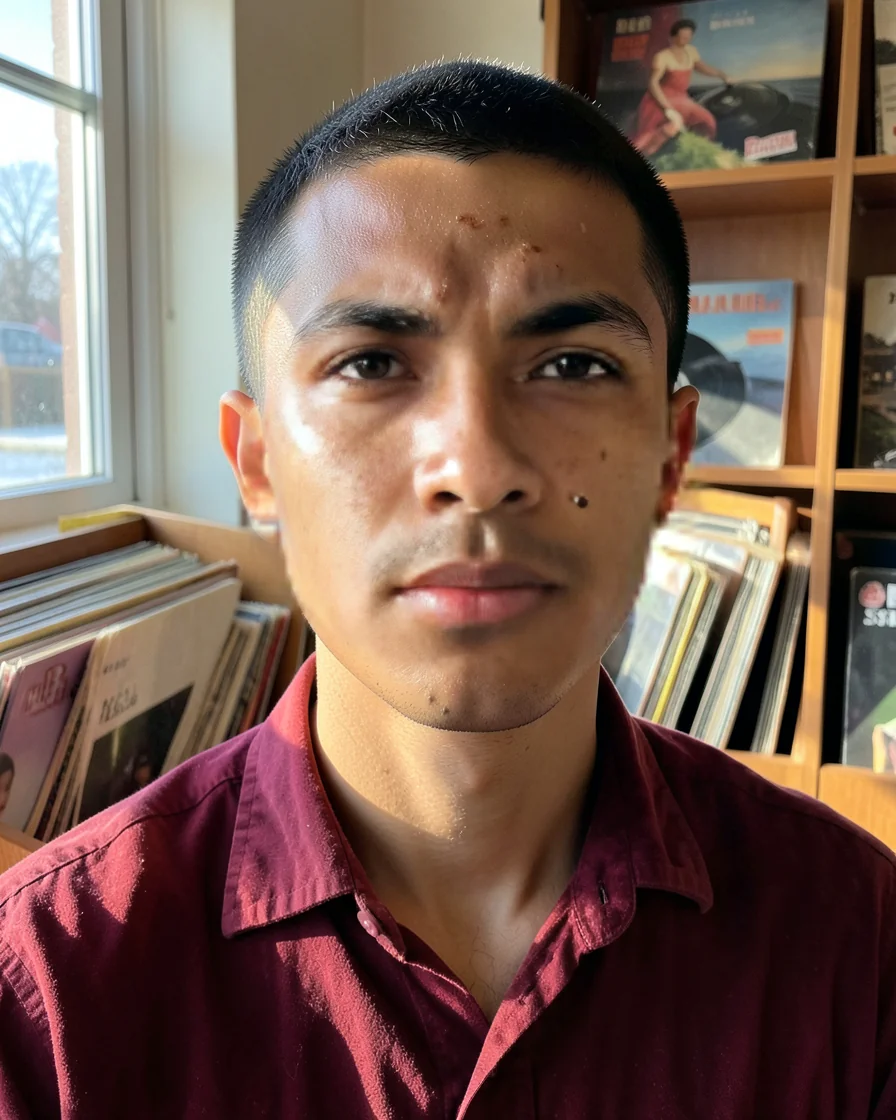
The flannel is burgundy, washed to the softness of an old towel, and it is the only piece of clothing I would be annoyed to lose. I bought it in the market years ago for twelve dollars and it has been in the dry bag on every night crossing since. Salt has taken most of the colour. It still does the one job I need it for.
Cold comes after the sun goes
People think the tropics are one temperature. They are not. After eight hours in water the body holds the cold in a way that surprises you; when the sun drops and the boat starts moving, thirty degrees feels like another country. The flannel goes on over a wet shirt and I sit at the back with the wheel, letting the wind do what it wants with my hair.
The cold comes aboard about twenty minutes after the sun does.
Some nights I run supplies out to the cayes, tanks and fins and a box of parts for a compressor, and the crossing lasts longer than the day did. There is nothing to look at but phosphorescence in the wake and the running lights of a fishing boat far off. That is when I do my thinking, which mostly means deciding I am too tired to think.
The engine died once outside the reef at midnight, and the sea went flat as a sheet of tin. I went at the fuel line with a torch, smelled the diesel I have smelled ten thousand times, and felt calmer than I had all day. Forty minutes later it came back. We tied up at three, and I hung the flannel on its hook and smelled salt.
The burn line
There is a line across my shoulders that no longer fades. Rash guard above, sun below. A skin doctor in Belize City told me to come back every year and mostly I do. It is a strange thing to be proud of and I am not proud of it, but it is a record of days, the way other men keep a stamp collection.
Every guide I know is a map of his own mistakes, written in sun.
Before a morning run I take it down from the hook and shake it out. The salt smell does not wash out and I do not try to wash it out. It has been through more nights with me than most people's jackets have been through winters.
中文译文
那件法兰绒是酒红色的,洗得跟旧毛巾一样软,是我唯一一件丢了会心疼的衣服。多年前在市场上花十二美元买的,从那以后每次夜航都塞在防水袋里。盐已经吃掉大半颜色,可它要干的那件事,它还是干得很好。
太阳落下去之后,冷才来
大家以为热带只有一种温度,并不是。在水里泡了八个小时,身体存冷的方式会吓你一跳:太阳一掉,船一开动,三十度像换了个国家。法兰绒套在湿衬衫外面,我坐在船尾握着舵,让风随便吹我的头发。
太阳落下二十来分钟之后,冷就上船了。
有些晚上我要往离岛送补给——气瓶、脚蹼,一箱压机的零件——一趟航程比白天还长。除了尾迹里的磷光和远处一条渔船的航行灯,没什么可看。我就在那时候想事情,而所谓的想事情,多半是想明白自己已经累到想不动了。
有一次半夜在礁外熄了火,海面平得像一张铁皮。我打着手电去查油路,闻到那股闻过一万遍的柴油味,心里反倒比一整天都定。四十分钟后它又活过来。三点靠岸,我把法兰绒挂回钩子上,闻了闻,全是盐。
晒痕
我肩膀上有一道再也不会褪的线:水母衣以上是白的,以下是另一种颜色。伯利兹城一个皮肤科医生让我每年回去复查,我基本都去。为这种事骄傲很奇怪,我并不骄傲,但那是一份日子的记录,像别人集邮。
我认识的每个向导都是一张自己的错误地图,用太阳写成的。
早上出海前,我把它从钩子上取下来抖一抖。盐味洗不掉,我也不洗。它陪我过的夜,比大多数人一件外套陪过的冬天都多。