Essay
Seven Minutes for the First Pour
第一杯手冲的七分钟

At 6:40 a.m., before the bakery downstairs opens, I unlock the café and leave the lights at half strength. The room is cool enough to hear the refrigerator in back. I wipe the bar, switch on the grinder, and wait for its pitch to settle. In the blue-gray morning, Paris feels less like a postcard than a machine that still needs careful hands.
Calibrating the Morning
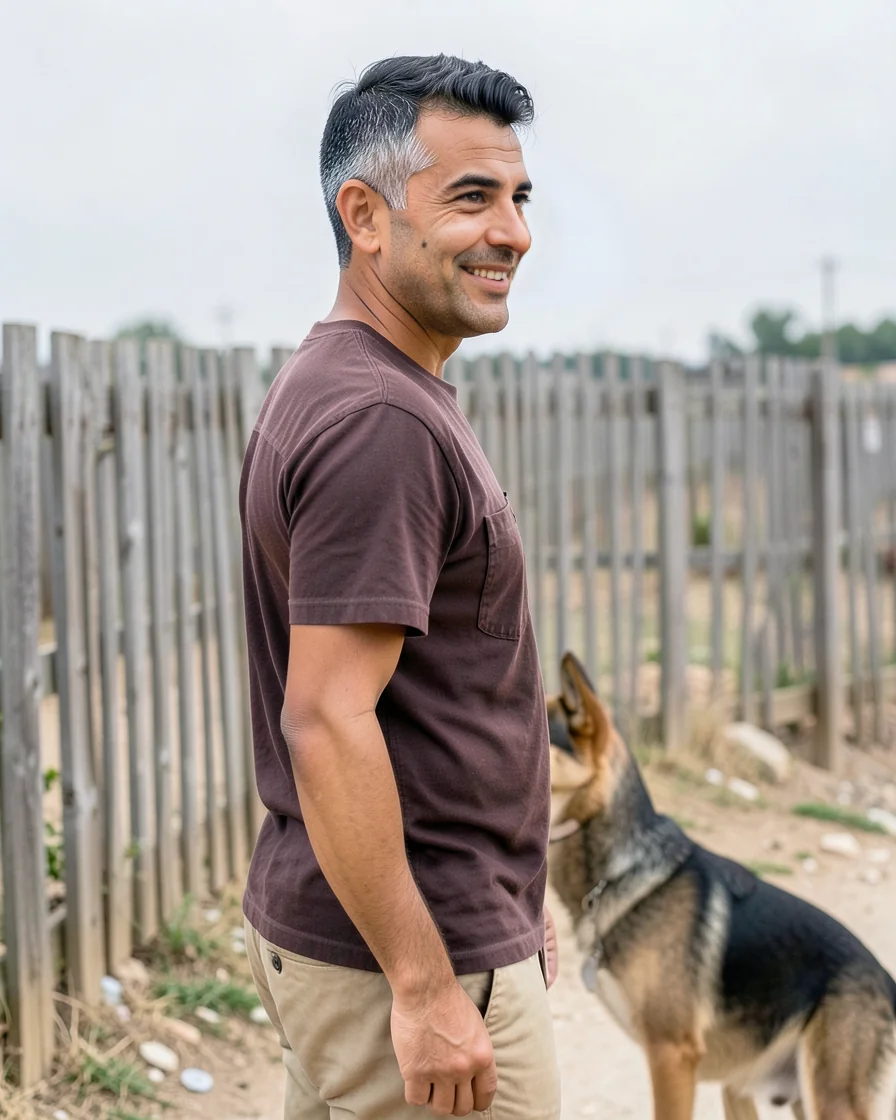
My first calculation is small: eighteen grams of coffee, water just off the boil, a paper filter folded by hand. I adjust the grinder by half a click and let the beans fall again. At thirty-one, I am old enough to know that routines are not walls; they are measurements. The machine gives a dull scrape, then a clean hiss, and the café begins to smell of toast and warm metal.
By seven, the windows have turned pale and the street has collected bicycle bells, wet coats, and the low talk of people starting work. I make a washed Ethiopian coffee for the first order, pour it in a thin spiral, and keep the kettle still. Steam fogs one corner of the window. For a few minutes, the room belongs only to the sound of water meeting grounds.
The first customer of the day orders a hand brew and asks for the story behind the cup. I tell her that the café began with a narrow bar, two tables, and my belief that people stay when a place gives them time. She smiles without interrupting. The coffee cools slightly while we talk, which is exactly how I like it.
A good cup should make you forget you are waiting.
Slowly, I wipe the steam from the counter and rinse the cloth before it gathers the smell of coffee. When the second wave of customers arrives, I stop explaining the brew and start moving. Cups, milk, change, the small choreography of a room. The pace quickens, but the method remains: heat, water, time.
At noon, I replace the quiet hiss of the grinder with a French vocal album I found in a crate last winter. The needle settles with a soft click, and the café gains another layer of morning. Customers read menus, answer messages, and occasionally look toward the speaker as if the room has remembered a private joke. I do not need silence to make coffee feel calm.
Closing the Machine
After the last customer leaves, I turn off the grinder before the machine can cool around its own heat. I rinse the brew cones, empty the bin, and count the till without forcing the numbers into a better shape. Outside, Paris is still moving. I stay for one final cup, listen to the record end, and leave the door locked only after the room has gone completely still.
中文译文
早上六点四十分,楼下面包店还没开门,我解锁咖啡馆,只留一半亮度的灯。室内凉得能听见后面的冰箱声。我擦净吧台,打开磨豆机,等它的转动声慢慢稳定。灰蓝色的清晨里,巴黎不像明信片,更像一台仍需细心的手才能驯服的机器。
校准清晨
最初的计算很简单:十八克咖啡,水温刚离沸点,滤纸亲手折好。我把磨豆机调过半格,让豆子再落一次。三十一岁,我终于懂得,固定流程不是墙,而是一种度量。机器先发出沉闷的刮擦,随后是一声干净的嘶响,咖啡馆开始有了烤面包和温热金属的气味。
七点,窗外的天色泛白,街上开始积起自行车铃、湿外套和准备上班的人低声交谈。我为第一单做了杯埃塞俄比亚水洗咖啡,细细画圈注水,让水壶保持不动。蒸汽蒙住窗角。有那么几分钟,房间里只剩下水落在咖啡粉上的声音。
当天第一位客人点了一杯手冲,还问起这杯咖啡背后的故事。我告诉她,这间咖啡馆最初只有一条窄吧台、两张桌子,以及一个朴素的念头:只要地方愿意给人时间,人就会愿意留下。她笑着听完,没有打断。交谈时,咖啡稍微凉了,而这正是我喜欢的状态。
一杯好咖啡,应该让你忘了自己正在等待。
我慢慢擦掉吧台上的蒸汽,也在抹布沾满咖啡味之前先清洗干净。第二批客人到来时,我不再解释每一道冲煮步骤,而是开始熟练地移动:杯子、牛奶、找零,以及一间房间微小却准确的节奏。速度变快了,方法却没有改变:热度、水、时间。
中午,我用一张去年冬天从唱片箱里找到的法语人声专辑,替代磨豆机细碎的嘶声。唱针落下时轻轻一响,咖啡馆又多了一层清晨。客人看菜单、回消息,偶尔望向音箱,像房间忽然想起了一个只属于这里的玩笑。我并不需要寂静,咖啡也可以显得从容。
关掉机器
最后一位客人离开后,我在磨豆机被余热包住之前关掉电源。我冲洗滤杯,倒掉咖啡渣,核对收银机里的数字,也不勉强它们显得更好看。门外的巴黎仍在移动。我留下再喝一杯,听完那张唱片,直到整个房间彻底安静,才锁门离开。