Essay
Coffee After the Last Thread
收针后的浓咖啡
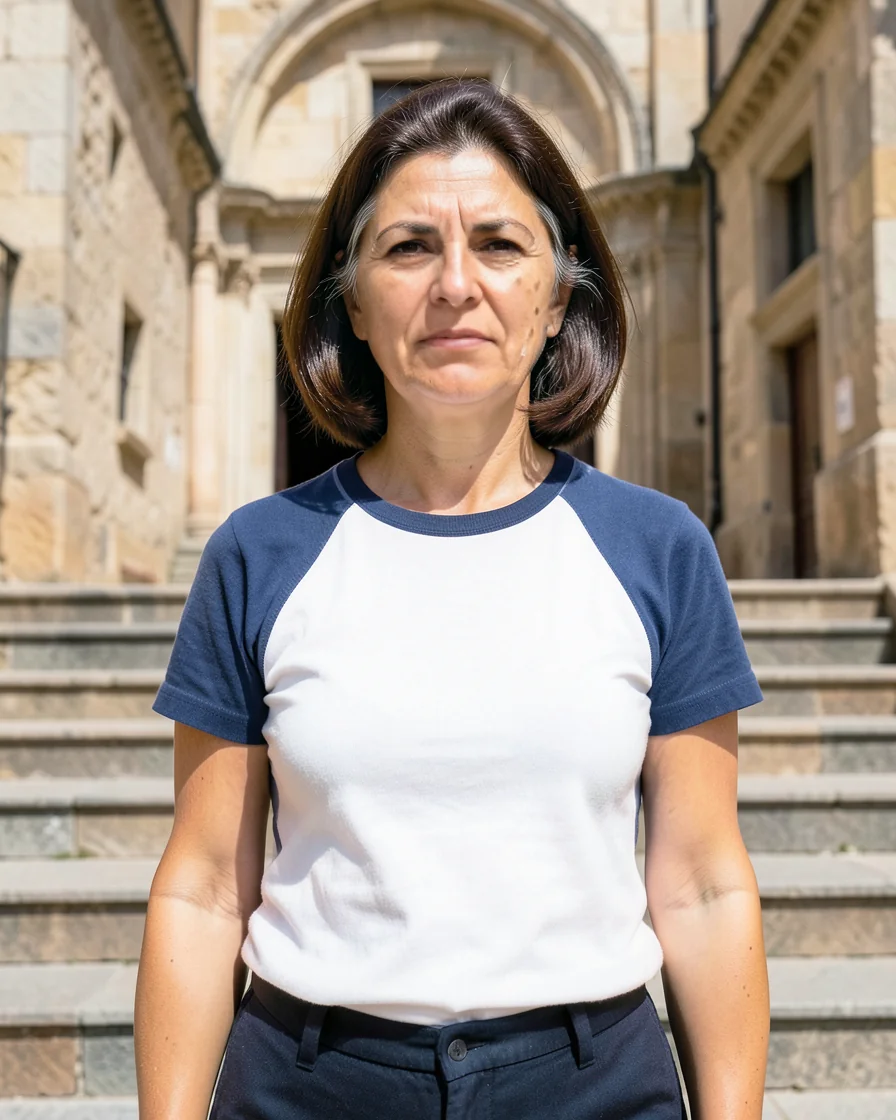
Most days I finish at dusk and carry the copper pot into the courtyard before turning on the light. The pot has a darkened rim from years of use and sits crooked on the ring, but it has never spoiled coffee. I rinse the demitasse, measure the grounds, and wait for the water. In Yerevan, the air cools quickly after sunset; by the time the first neighbor appears, the coffee has begun to settle.
Waiting for the Grounds
The coffee is strong enough to be bitter, which is how I like it. I bring it almost to a boil, then lower the flame and let it rest. The grounds sink slowly and leave a dark line at the bottom of the cup. I do not stir them. My grandfather used to say that some things improve when you stop interfering, and although he was speaking about tea, the sentence has followed me into the workshop.
The woman from the apartment above usually arrives first. She stands by the gate with a glass of tea and asks whether I have finished. I tell her which rug is still on the frame and which repair will take longer than expected. She listens with the patience of someone who has watched many deadlines arrive and leave. Soon the man from the corner joins us, carrying the day's small complaints in his h
We do not rush the coffee, the conversation, or the work waiting for morning.
I am called patient, though I am not always comfortable with the word. Patience is not passivity. It means noticing a pulled warp before it breaks, choosing the right wool, and understanding that speed can waste what a steady hand would preserve. In the workshop, I know this. In conversation, I am learning it again. An answer given too quickly often has to be taken back, like a badly placed stitch
The coffee reaches the right strength by the time the sky loses its last blue. I hold the warm cup between my palms and listen to a bicycle bell, a radio behind a window, someone stacking chairs on a balcony. None of these sounds belong to my profession, but they have become part of my working rhythm. The needle stops, the city returns, and the difference between the two is clearer than it was at
Stories After Dark
Conversation rarely follows a plan. We talk about a wedding on the next street, a nephew looking for work, and whether the bakery on the corner will keep its early opening. I offer what I know from years of receiving visitors at the workshop door, but I do not offer advice unless it is asked for. The rug in my care may have belonged to a grandmother; the person drinking coffee beside me may have a
My grandfather's old measure is still on the wall, though the workshop has changed around it. When I began taking over the workshop, I thought speed would prove that I had learned the trade. Instead, the first year taught me to use his tools more sparingly and to leave difficult sections overnight. I also learned that inheritance is not having the right answers. It is knowing which questions deser
Yerevan settles around us in layers: first the calls from the street, then the radios, then the brief pause before windows close. The courtyard walls keep the day's heat longer than the roofs do. We drink without lamps for a while, finding cups by the sound of liquid moving. When a light appears above the bakery, the man from the corner decides it is time to leave.
I stay long enough to rinse my cup and cover the coffee grounds. The pot goes inside, but the chairs remain in the yard, exactly where my neighbors expect them the next evening. Before I return to the workshop, I touch the doorframe with one hand. The grain is cool. The day is not over, exactly; it has simply moved from one kind of attention to another.
Sometimes a repair follows me into this hour. A particular line will keep rising in my mind, and I see it even in the steam above the cup. I write nothing down because the notebook belongs beside the frame, where I can measure and count. Here I allow the uncertainty to remain unresolved. The rug will be there in the morning, along with the pale scratch of another unfinished thread.
When the last neighbor has gone, I carry the second chair indoors and look once across the yard. The courtyard smells of coffee, dust, and the leaves caught along the wall. I lock the workshop, not because the work is finished, but because it will keep until tomorrow. I have learned to make that distinction: stopping is sometimes another kind of repair.
中文译文
我大多在黄昏时收工,趁天还没全暗,把铜壶端进院子。壶沿因常年使用而发黑,放在炉圈上也不平,可咖啡从没被它弄坏。我冲洗小杯,量好咖啡粉,等水开。埃里温的日落后空气凉得快;第一位邻居出现时,咖啡刚开始沉淀。
等渣沉底
我偏爱浓到发苦的咖啡。壶水将沸未沸时,我把火调小,让它静下来。咖啡粉缓慢下沉,在杯底留下一道深色痕迹。我不搅它。祖父过去常说,有些东西一停止干预反而会更好;他当时说的是茶,这句话却一直跟到了作坊里。
楼上的女人通常最早来。她端着一杯茶站在院门口,问我是否已经收工。我告诉她哪张毯还留在架上,哪处修补比预想更久。她听得很耐心,像一个看过许多期限到来又离开的人。没过多久,拐角的男人也来了,手里端着一天积下的小小牢骚。
咖啡、谈话,还有留给明早的活计,都不急。
别人说我有耐心,其实我对这个词并不总是自在。耐心不是被动,而是要在断线前发现绷紧的经线,选对羊毛,并明白匆忙会毁掉稳手可以保住的东西。在作坊里我很明白这一点;在谈话里,我正重新学会它。回答得太快,往往还得像一针放坏的位置那样收回来。
咖啡达到我想要的浓度时,天空正好失去最后一点蓝色。我双手捧着温杯,听见自行车铃、窗后的收音机,还有谁在阳台上叠椅子。这些声音都不属于我的职业,却已经成了工作节奏的一部分。针停下,城市回来了;两者之间的差别比中午时清楚得多。
天黑以后的话
谈话很少按计划进行。我们聊到隔壁街的婚礼、做零工的侄子,也聊街角面包店会不会保留早开门。我从多年在作坊门口接待来客的经验里,挑自己确实知道的来说;没人问,便不给建议。我手里的毯子也许曾属于一位祖母,坐在我身边喝咖啡的人也可能有自己的祖母。
祖父留下的旧尺还挂在墙上,作坊却在它四周变了许多。我刚开始接手活计时,以为速度能证明自己已经学会了这门手艺。头一年反而教会我更省着使用他的工具,把难做的部分留到第二天。我也明白,继承并不意味着握有正确答案,而是知道哪些问题值得再多等一天。
埃里温一层层安静下来:先是街上的呼喊声,再是收音机,最后是窗子关闭前短暂的停顿。院墙比屋顶留住白天的热更久。我们有一阵没开灯,只凭液体晃动的声音找杯子。等面包店楼上亮起灯,拐角的男人便该走了。
我把杯子洗净,盖好咖啡粉。壶拿进屋,椅子却留在院中,摆在邻居明晚还会坐的位置上。回作坊前,我用手摸了一下门框。木头纹理是凉的。一天并没有真正结束,只是从一种专注转向另一种。
有时,修复会跟着我进入这样的时刻。某一道线会在脑海里反复拱起,连杯口的蒸汽都让我看见它。我不写下来,因为账本该放在架旁,供我丈量和计数。在这里,我允许不确定悬着。毯子明早还在那里,另一根未完成的线也留下淡淡的刮痕。
最后一位邻居离开后,我把第二把椅子搬进屋,朝院子望了一眼。院里有咖啡、尘土和墙边夹住的叶子的气味。我锁上作坊,不是因为活计做完了,而是因为它能安稳放到明天。我慢慢懂得,停下来有时也是一种修补。