Essay
The Drawer That Would Not Sit Flush
无法严丝合缝的抽屉
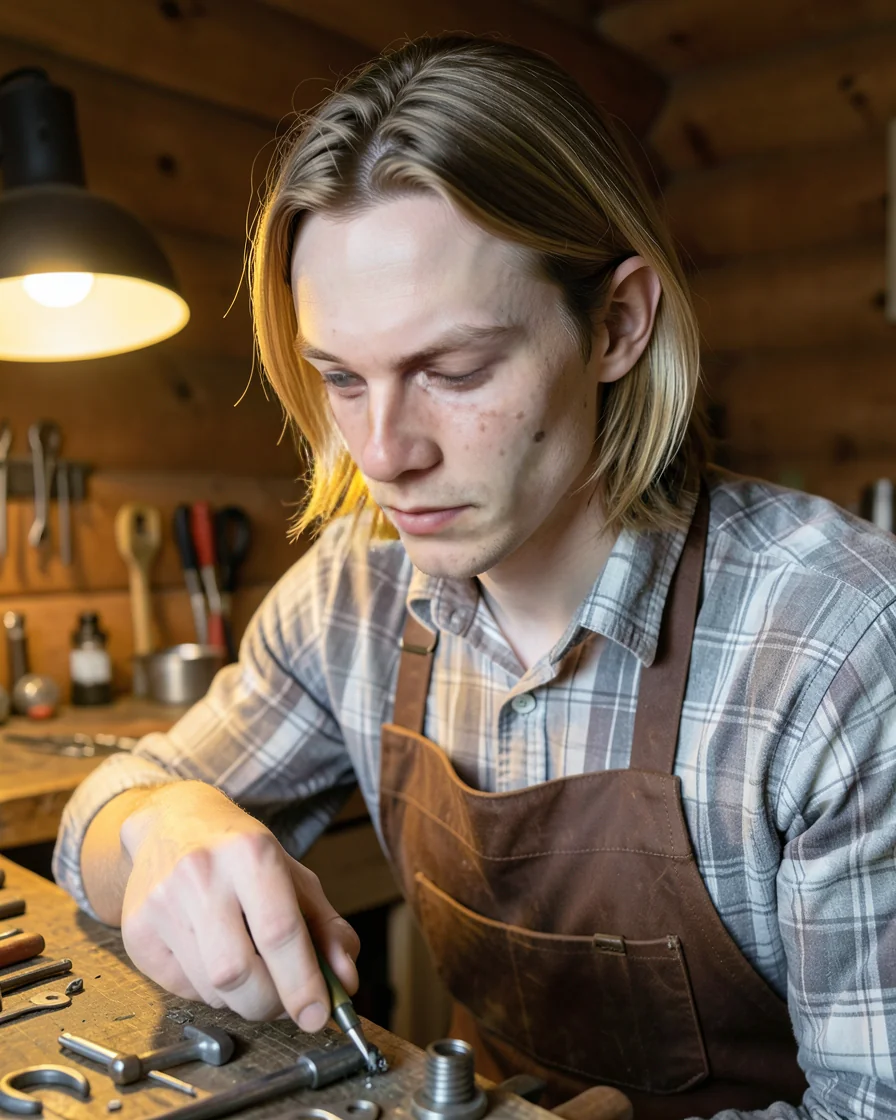
At twenty-six, I can still lose an afternoon to a drawer that will not sit flush. In my old warehouse workshop in Brest, Belarus, I spent the week with a nineteenth-century oak cabinet whose lower drawer kept catching on one swollen runner. The cabinet had been darkened by decades of hands and winter air. I cleared a corner of the bench, sharpened a narrow plane, and tried not to rush the first cu
First, the Seams
The drawer had been repaired before, though not always carefully. A narrow strip had been nailed across one corner, and old hide glue had gathered beneath the lower seam. I reactivated the glue with a warm blade and a trace of water, then lifted the strip a fraction at a time. The smell of wax stayed in the room, mingling with the dry dust released from the wood.
A repaired joint should hide the repair without pretending it never existed.
Once the obstruction was gone, I pared the runner by less than a millimeter. A deep breath, a measured stroke, then a test with the drawer front. The old cabinet gave almost nothing, but almost was enough. I fitted a temporary stop from waste birch, marked the high point in pencil, and left the drawer open overnight to settle.
Glue, Pressure, Patience
At seven, I mixed animal glue in a small tin and warmed it in a pan of hot water. The drawer returned to its opening with a thin, steady line of glue along the runner. I pressed it home with blocks and clamps, wiped away the squeeze-out with a damp cloth, and waited. Silence in the warehouse was useful then; it let me hear any movement before the joint set.
Nothing should be forced after the glue has found its place.
By evening, the drawer slid with a dry whisper. I scraped one last ridge, rubbed the front with wax, and let the cabinet stand unfinished. A restoration, to me, is not a return to some perfect morning. It is a practical agreement with age: keep what held, repair what failed, and leave later marks where they can still be read.
Before locking the warehouse, I brushed the chips into a metal tray and checked the bicycle by the door. Tomorrow there would be sanding, oil, and the slower question of the hinges. Tonight the cabinet stayed closed, and my hands smelled of wax, sawdust, and hot iron.
中文译文
二十六岁,我仍可能为一个合不严的抽屉花掉整个下午。在白俄罗斯布列斯特的旧仓库工坊里,我花了一周处理一只十九世纪的橡木柜子;下面的抽屉总被一条胀大的导轨卡住。柜子被几十年的手掌和冬日寒气染得深沉。我清出工作台一角,磨快一把窄刨,尽量不急着落下第一刀。
先看接缝
这只抽屉以前修过,但手法并不总是细致。一角横钉着一条窄木条,下面的接缝里还积着旧兽胶。我用温热的刀刃和一点水让胶重新软化,随后一点一点撬起木条。蜡的气味留在屋里,和干燥木尘混在一起。
修好的接缝应当藏住修补,同时不假装它从未存在过。
障碍清除后,我只从导轨上削去不到一毫米的木料。深呼吸,稳稳落刀,再用抽屉面板试装。旧柜几乎没有让步,但已经足够。我用一块废弃的桦木料做了临时挡块,用铅笔标出高点,然后把抽屉敞开过夜,让它慢慢稳定。
胶、夹持与等待
早上七点,我在小铁罐里调了兽胶,用一锅热水隔水加热。抽屉重新装回开口时,导轨上有一道薄而均匀的胶线。我用垫块和夹具压紧,用湿布擦去挤出的胶,然后等待。仓库里那时的寂静很有用;它让我能在胶凝固前听见任何细微的移动。
胶找到位置以后,就不该再强行校正。
到了晚上,抽屉滑动时只发出干涩的轻响。我刮掉最后一道毛刺,用蜡擦过柜面,然后让柜子保持未完成的状态。对我来说,修复很少意味着回到某个完美的清晨。它更像是与年岁达成一份实际约定:保留仍然牢固的部分,修补已经失效的地方,也把后来留下的痕迹留在仍可辨读的位置。
锁上仓库前,我把碎屑扫进金属托盘,又检查了门边的自行车。明天还要打磨、上油,并慢慢处理铰链的问题。今晚柜子合着,我的手上留下蜡、木屑和热铁的味道。